Why Your Cells Are Thirsty
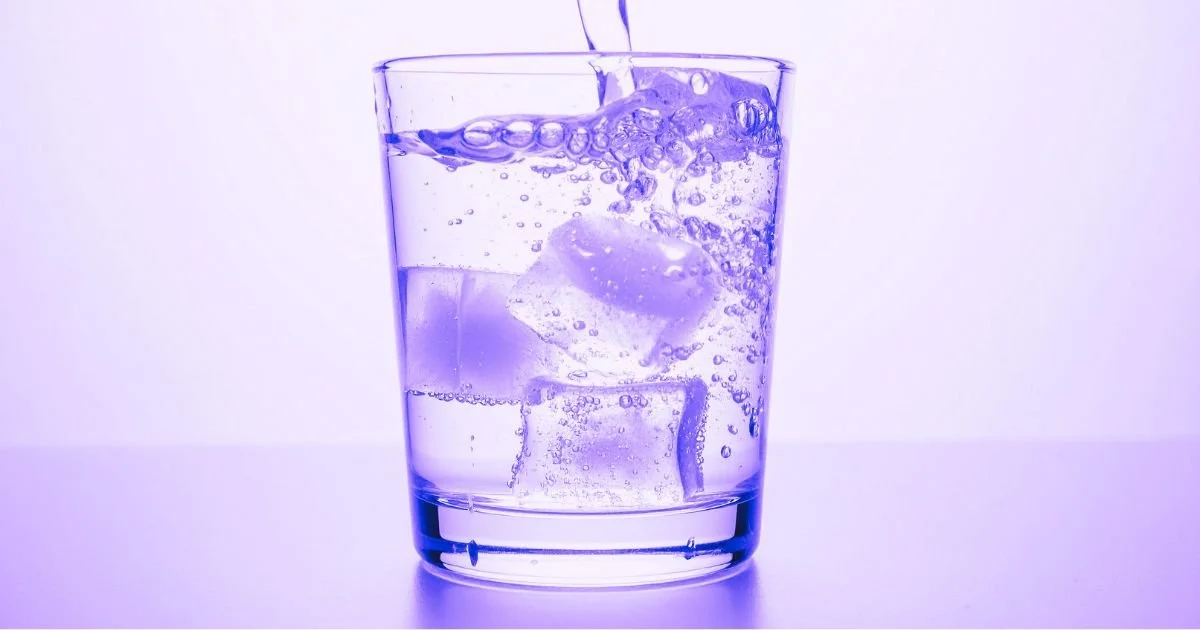
Have you ever gulped down a huge glass of water only to feel incredibly thirsty afterwards? You are not alone, and you might be missing the real secret to true health. Today, we are going deep into a topic that changes everything. I’m talking about cellular hydration.
Hydration is not just about how much water you drink. It is actually about making sure that water makes its way inside your cells. Let's explore exactly how this works and how you can help your body feel totally energised.
The Science of Your Cells
Your body is made of trillions of tiny building blocks called cells. For your body to work perfectly, water needs to be in two places: inside the cells and outside the cells. Scientists say that for an average adult weighing about 150 pounds, the body holds about 42 litres of water. Amazingly, two-thirds of all that water (about 28 litres) should be locked safely inside your cells. We call this intracellular water. A highly healthy body keeps a perfect balance. You should have a 3:2 ratio of water inside the cells compared to outside the cells.
Why Do Your Cells Need So Much Water?
Getting water deep inside your cells is the key to living your best life. Here is what happens when your cells are properly hydrated:
Making Pure Energy: Your cells use water to create something called ATP, which is the main energy fuel for your body. If your cells are dry, they cannot make energy, and you will feel sluggish and tired.
Building Stronger Muscles: Did you know your muscles are made of about 76% water?. Having enough water inside your cells is the secret to getting stronger, growing muscle, and moving better.
Boosting Brain Power: Good hydration at the cellular level helps your brain work fast. It stops brain fog, helps you concentrate, and protects your brain as you get older.
Washing Away Waste: The water inside your cells acts like a tiny washing machine. It helps carry away waste and toxins. If the water cannot get in, this bad stuff builds up and causes cellular damage.
Staying Young: As people get older, the water inside their cells naturally starts to drop, which can make the body feel frail and weak. Keeping cells hydrated protects your body from ageing too fast. In fact, if cells are constantly dehydrated over a long time, it is even linked to bigger health problems later in life, like high blood pressure and insulin issues.
The Danger of Shrinking Cells
So, how do cells get dehydrated in the first place? Your cell walls allow water to pass through them freely. However, the water goes where it is pulled. If you have a build-up of toxins or too much salt (sodium) resting outside of your cells, it creates a pulling force. This force actually sucks the water right out of your cells, causing the cells to shrink. When your cells shrink, your body begins to break down muscle, and you feel terrible.
How to Truly Hydrate Your Cells
You cannot just drink gallons of plain water to fix this. If you have too many toxins or the wrong balance of minerals, that plain water will just stay trapped outside the cell. Here are four powerful ways to push the water back inside:
Sip, Do Not Chug: Sipping water slowly all day long is much better for your cells than chugging a massive amount all at once.
Balance Your Electrolytes: Your cells need special minerals called electrolytes to balance the water. Potassium and magnesium act like bouncers that open the door and pull water into the cells. On the flip side, eating too much sodium (salt) keeps the water locked outside.
Lift Weights: Doing resistance training (like lifting weights) actually triggers your body to push more water into your muscle cells.
Eat Your Water: You can get highly absorbent water right from your food! Eat fresh foods that hold a lot of water, like cucumbers, grapes, and watermelon.
Frequently Asked Questions About Cellular Hydration
What is cellular hydration?
Cellular hydration means having enough water inside your body's cells so they can keep their shape and do their jobs. About 60% of the water in your body should be stored inside your cells to give you energy and keep you healthy.
Why am I still thirsty after drinking lots of water?
If you drink plenty of water but still feel thirsty, the water is likely stuck outside your cells. This happens when a build-up of salt or toxins outside the cell pulls the water out, leaving the inside of the cell completely dry.
What are the signs of cellular dehydration?
Thirst is actually a late warning sign that you are already dehydrated. Other early signs that your cells need water include headaches, low energy, feeling weak, getting light-headed, and having brain fog or trouble focusing.
How can I test if my cells are hydrated?
Standard blood tests do not measure the water inside your cells. To find out your true cellular hydration, you can get a simple, painless test called a Bio-impedance analysis (BIA). This test measures exactly how much water is inside your cells compared to the outside.
How do I hydrate my cells quickly?
To get water into your cells, sip water slowly instead of chugging it. Eat water-rich foods like watermelon and cucumbers. Most importantly, make sure you get enough potassium and magnesium, which are minerals that help pull water directly into the cell.
We all rise together,
Rachael Jennings | Co-Founder + CBO, Jenerise
References
Tobias A, et al. Physiology, Water Balance. StatPearls, 2022.
Serra-Prat M, et al. Intracellular Water Content in Lean Mass is Associated with Muscle Strength, Functional Capacity, and Frailty in Community-Dwelling Elderly Individuals. Nutrients, 2019.