What the Evidence Actually Shows About Creatine and Perimenopause
By Isabelle Statovci | Monthly Blog Contributor, Jenerise | Accredited Practising Dietitian & Clinical and Exercise Scientist
Are you in your mid-forties or early fifties? You may be noticing changes like fatigue that doesn’t ease, difficulty finding words, changes in the distribution of body fat and disrupted sleep from night sweats. These aren’t signs of laziness or normal aging, they’re signs of perimenopause. Real, measurable shifts in your body.
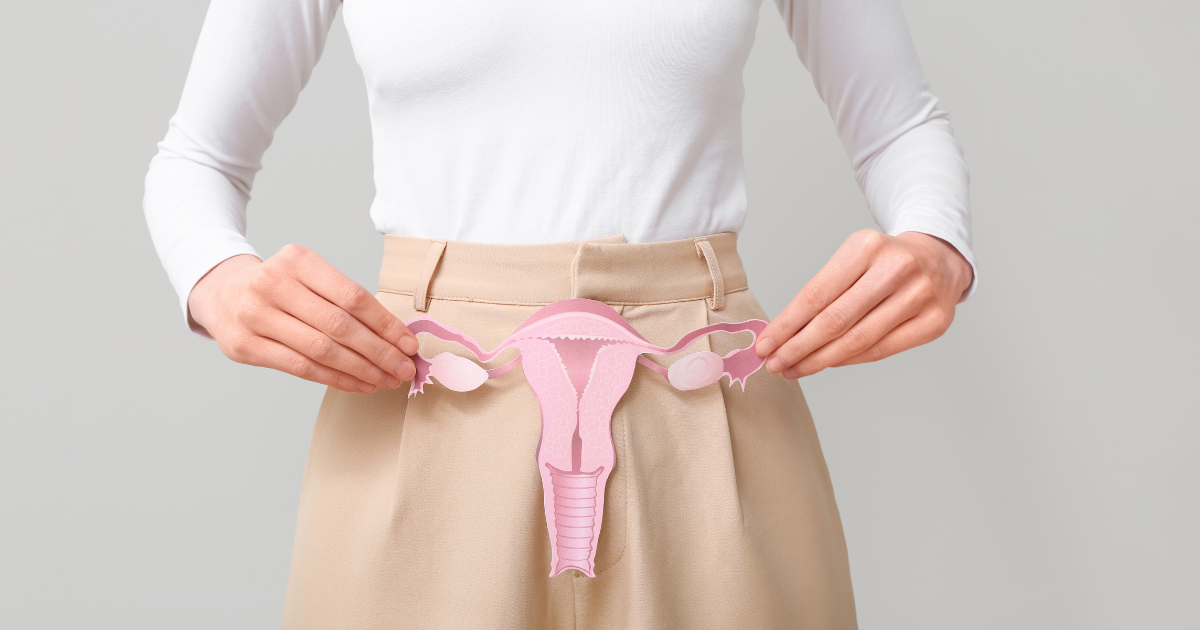
It can be a frustrating time, especially since up to 80–90% of women report experiencing menopausal symptoms during this transition, including cognitive symptoms, fatigue, and sleep disturbances associated with fluctuating and declining gonadal hormones (Sleep Disturbance and Perimenopause, 2024). In fact, more than 60% of women experience cognitive symptoms like brain fog (Greendale et al., 2010). What is less well known is that creatine supplementation, combined with resistance training, has emerging evidence to support its use across several domains during this transition. This isn't because it’s a magic solution, but because of the specific way your cells actually work during perimenopause.
What’s Actually Happening to Your Energy During Perimenopause
Perimenopause involves measurable changes in how your cells produce energy. As estrogen declines, your mitochondria, the energy factories in your cells, run less efficiently (Ribas et al., 2016). Your cells become less effective at handling calcium, and your antioxidant defenses weaken. This estrogen deficiency is associated with impaired mitochondrial function, reduced ATP synthesis, and increased oxidative stress. Your brain, muscles, and bones all feel this; the fatigue women report isn’t psychological, it’s a measurable shift in cellular energy metabolism.
Think of creatine as a high-capacity backup battery: it functions as a metabolic buffer. Your cells convert it into phosphocreatine (PCr), which rapidly regenerates ATP, the currency of cellular energy. When your cellular energy systems are struggling, this ATP-regenerating capacity might theoretically help. However, it's important to note that direct evidence in perimenopausal women specifically remains limited.
Women May Not Process Creatine as Men Do
Women and men have different creatine biochemistry. Research suggests women synthesise less creatine naturally than men, though direct measurement data in women specifically remains limited (Smith-Ryan et al., 2021). Women typically eat less creatine through diet, yet the majority of creatine research focuses on men and athletes. This matters because it suggests women may have more to gain from supplementation; their cells work with less creatine to begin with. Additionally, declining estrogen during perimenopause may affect how your cells take up creatine (Smith-Ryan et al., 2025), potentially making supplementation more relevant during this stage than at any other. Supplementation might theoretically be more relevant during perimenopause than at other life stages. Direct evidence testing this in perimenopausal women does not yet exist.
The Brain, Cognitive Function, and Sleep
Your brain is extraordinarily energy-hungry, using roughly 20% of your resting energy expenditure despite being only 2% of your body weight. The cognitive changes women experience during perimenopause, such as difficulty concentrating, word-finding struggles, and cognitive fog, aren’t just in your head. Research shows that perimenopausal women have different activation patterns in brain regions involved in cognitive tasks, particularly as estrogen fluctuates (Greendale et al., 2010), reflecting reduced metabolic support.
Creatine influences brain energy metabolism by increasing cerebral phosphocreatine and ATP concentrations (Ribas et al., 2016). While emerging evidence suggests potential benefits for cognitive function in certain contexts (Greendale et al., 2010), studies specifically in perimenopausal women remain sparse. It is also important to remember that creatine alone is not a treatment for mood disorders.
Regarding sleep, which is one of the most distressing symptoms women face, recent evidence suggests creatine supplementation may support better outcomes. A 2024 study in resistance-trained women found increased sleep duration on training days (Aguiar et al., 2024), and a 2025 trial in menopausal women found associations with sleep duration (Hall et al., 2025). These findings are preliminary and need replication in perimenopausal cohorts.
The Long-Term Picture of Muscle and Bone
A common narrative suggests that the menopause transition inevitably accelerates muscle loss, but recent evidence challenges this assumption (Menzies et al 2026, Phillips, 2026). While women do experience changes in lean mass around perimenopause, the mean differences are modest, approximately 2.5% over a decade (Menzies et al, 2026), and largely attributable to measurement limitations. When physical activity is controlled for, the supposed menopausal acceleration largely disappears. This suggests that disuse and not hormonal status is primarily the driver (Menzies et al 2026, Philipps, 2026). In addition, hormone therapy fails to rescue lean muscle mass meaningfully (mean difference of 60 grams across 4,474 post menopausal women, Javed et al 2019), suggesting estrogen decline is not the determining factor. Overall, current human evidence is limited and additional high-quality evidence is required to make any definitive conclusions.
When combined with resistance training, creatine enhances strength gains and muscular performance in women (Gotshalk et al., 2007; Azevedo et al., 2022). It is a partner to exercise, not a replacement; creatine without resistance training has minimal effect (Lobo et al., 2015). For women already doing strength training, the additional benefit is measurable.
The same applies to bone health. Bone density can drop 1–2% annually. Randomised controlled trials show that when creatine is combined with resistance exercise, it helps preserve bone geometry at important sites like the femoral neck (Chilibeck et al., 2015, 2023; Sales et al., 2020). The benefit is modest but meaningful over time, the difference between a minor fracture and a serious one.
The Practical Reality of Creatine Supplementation During Perimenopause
For women considering supplementation, here’s how to approach it:
Dose and form: 3–5 grams daily of creatine monohydrate (ensure it is third-party tested). Optional loading of 20 grams per day for 5–7 days can accelerate saturation. Daily supplementation reaches steady state within 3–4 weeks.
Consistency: Creatine works best alongside consistent resistance training- ideally 2–3 sessions per week.
Foundation: Adequate protein (1.2–1.6 grams per kilogram of body weight daily) and sufficient hydration matter equally.
Safety: Creatine monohydrate has an excellent safety profile in women (De Guingand et al., 2020). No adverse effects on hormonal status, kidney function, or reproductive health. If you have pre-existing kidney disease or complex medical conditions, seek individualised clinical guidance. Common side effects are minimal, primarily increased water retention.
Duration: Benefits accrue over weeks to months. This isn’t a short-term intervention. For perimenopausal women, think of it as a long-term strategy potentially spanning the full transition through early post menopause.
Most Importantly About Creatine and Perimenopause
Perimenopause is a transition, not an inevitable decline. The changes you experience are real and partially modifiable through informed intervention for many women. Creatine is not a substitute for exercise, nutrition, sleep, and stress management, but when combined with resistance training, emerging evidence suggests it warrants consideration as one tool in a comprehensive approach.
Let’s recap:
Cellular Energy: Perimenopause involves measurable changes in cellular energy metabolism due to declining estrogen and reduced mitochondrial function.
Research Gap: Research suggests women synthesise less creatine naturally than men, though direct measurement data remains limited; female-specific research is sparse.
Muscle: Although a common narrative suggests the menopause transition accelerates muscle loss, recent evidence refutes this and attributes it primarily to disuse, and not estrogen decline.
Synergy: Combined with resistance training, creatine enhances strength and supports bone preservation, though effect sizes are modest.
Brain and Sleep: Emerging evidence suggests potential benefits for cognitive function and sleep; perimenopausal-specific studies are limited.
Dosage: A daily dose of 3–5 grams of third-party tested creatine monohydrate is safe for most healthy perimenopausal women.
Please note: This article is based on peer-reviewed research from nutrition, sports science, and women’s health literature. It is intended for educational purposes and does not constitute personalised medical advice. Individual health circumstances vary; consult a qualified healthcare professional for guidance specific to your needs.
We all rise together,
Isabelle
References
Aguiar A, et al. Creatine Improves Total Sleep Duration Following Resistance Training Days Versus Non-Resistance Training Days Among Naturally Menstruating Females, 2024.
Azevedo KS, et al. Creatine Supplementation Improves Muscular Performance in Women, 2022.
Chilibeck P, et al. A 2-yr Randomized Controlled Trial on Creatine Supplementation During Exercise for Postmenopausal Bone Health, 2023.
Chilibeck P, et al. Effects of Creatine and Resistance Training on Bone Health in Postmenopausal Women, 2015.
Daly RM, et al. Exercise and Bone Health in Postmenopausal Women, 2019.
De Guingand D, et al. Risk of Adverse Outcomes in Females Taking Oral Creatine Monohydrate: A Systematic Review and Meta-Analysis, 2020.
DeFronzo RA, et al. Skeletal Muscle Insulin Resistance is the Primary Defect in Type 2 Diabetes, 2009.
Gotshalk L, et al. Creatine Supplementation Improves Muscular Performance in Older Women, 2007.
Greendale GA, et al. Menopause-Associated Symptoms and Cognitive Performance: Results From the Study of Women’s Health Across the Nation, 2010.
Hall L, et al. Impact of Creatine Supplementation on Menopausal Women’s Body Composition, Cognition, Estrogen, Strength, and Sleep, 2025.
Javed, A.A., et al. Meta-analysis of hormone therapy effects on lean mass in postmenopausal women: 12 RCTs, 4,474 women, 2019.
Juppi H, et al. Role of Menopausal Transition and Physical Activity in Loss of Lean and Muscle Mass, 2020.
Lobo D, et al. Effects of Long-Term Low-Dose Dietary Creatine Supplementation in Older Women, 2015.
Menzies, F.M., et al. Menopause and muscle loss: correlation versus causation. Journal of Cachexia, Sarcopenia and Muscle, 2026.
Park YM, et al. Appendicular Lean Mass is Lower in Late Compared With Early Perimenopausal Women: Potential Role of FSH, 2020.
Phillips, S.M., et al. Sex hormones and muscle protein metabolism in aging. Journal of Cachexia, Sarcopenia and Muscle, 2026.
Ribas V, et al. Skeletal Muscle Action of Estrogen Receptor α is Critical for the Maintenance of Mitochondrial Function and Metabolic Homeostasis in Females, 2016.
Sales L, et al. Creatine Supplementation (3 g/day) and Bone Health in Older Women: A 2-Year, Randomized, Placebo-Controlled Trial, 2020.
Shumaker SA, et al. Estrogen Plus Progestin and the Incidence of Dementia and Mild Cognitive Impairment in Postmenopausal Women: The Women’s Health Initiative Memory Study, 2003.
Sipilä S, et al. Muscle and Bone Mass in Middle-Aged Women, 2020.
Smith-Ryan A, et al. Creatine Supplementation in Women’s Health: A Lifespan Perspective, 2021.
Smith-Ryan A, et al. Creatine in Women’s Health: Bridging the Gap From Menstruation Through Pregnancy to Menopause, 2025.
Troia, et al. Sleep Disturbance and Perimenopause: A Narrative Review, 2024.