Seizing the Years with Susanne Mitschke
Before she built Citruslabs (the leading provider of decentralised clinical studies for consumer products), Susanne Mitschke created MindMate, an app that combined nutrition, movement, and brain games to help older adults stay mentally sharp. It became the #1 app for baby boomers, even outranking Weight Watchers at one point. But MindMate didn’t just inspire healthier habits; it actually connected Susanne to something deeper. What was that? Well, the power of real-world research to make wellness credible.
“I never thought of it as just an app,” she says. “Even then, we were working on Alzheimer’s and type 2 diabetes trials. It was about showing that data can drive meaningful health change.”
That red thread, the combination of science with purpose, eventually led her from Glasgow to Los Angeles, where a new wave of founders was reimagining wellness. Friends launching consumer brands began asking her for advice: How much should a trial cost? Do we need a placebo? Can we test this in-house? After helping a few of them run full studies and craft data-backed claims, she realised there was a gap no one else was filling. And so that gap became Citruslabs. Named after the world’s first documented clinical trial (when British physician James Lind discovered citrus fruit could prevent scurvy), Citruslabs is now rewriting how consumer health brands validate their products.
But what’s changed most, Susanne says, isn’t just the industry, but rather it’s the audience.
“Ten years ago, supplement packaging was boring. You’d hide it in your pantry,” she laughs. “Now, people carry them to coffee shops. They’ve become lifestyle statements.”

The modern consumer expects both design and data. Not just one or the other. Beautiful branding isn’t enough anymore; people want proof. They’re asking harder questions, clicking through to see if a product’s clinical trial is actually registered on clinicaltrials.gov, and checking whether claims are based on the final formula, not just borrowed ingredient studies.
Regulators are catching up, too. With the FTC tightening guidance around health-related claims, randomised controlled trials (RCTs) are becoming the new currency of trust. “Once one company starts running real clinical studies,” Susanne says, “others follow fast. No one wants to be the brand without data.”
It’s a shift that mirrors what’s happening in creatine, where the science is strong but the storytelling, to be totally honest, sometimes isn’t.
“Creatine is such a well-studied ingredient,” Susanne says, “but now you see new delivery forms, like gummies, that use the same claims from monohydrate research… even if their format or dosage doesn’t match. That’s when things get tricky.”

The gap between statistical significance and clinical meaning, she explained to me during our conversation, is one of the biggest sources of confusion. “If a supplement lowers blood sugar from 10 to 9.8, a study might call that statistically significant, but for the person taking it, it doesn’t make a real difference. That’s what we want brands to understand. Supplements help healthy people stay healthy; they’re not cures.”
And that philosophy (being realistic, science-first, but still deeply optimistic) runs through everything she builds. Susanne’s work is a reminder that progress in health doesn’t have to mean hype at all. It can mean bringing clarity to a space that so desperately needs it.
But even with all her data-driven clarity, Susanne’s relationship to wellness hasn’t been purely academic. It’s also deeply personal. A few years ago, she started feeling exhausted. Actually, so much so that walking across a room left her winded. “I couldn’t think clearly, I was dizzy, and even simple things felt impossible,” she recalls. “I went from hospital to hospital, and everyone told me I was fine.”
After ten doctors and countless tests, one finally asked about her lifestyle. At the time, Susanne was eating mostly plant-based foods. “He decided to check my vitamin levels,” she says, “and found a severe B12 deficiency.” One shot and a high-dose supplement regimen later, she was back on her feet within a week. “It completely changed how I think about health. Supplements can absolutely move the needle, but only when they’re addressing a true need.”
That experience also influenced how she views the supplement market itself. Some products, she says, play to pain points rather than prevention. “We see it all the time, especially in women’s health and beauty. There’s so much messaging built around fixing what’s ‘wrong.’ But supplements should be about sustaining what’s right and helping people stay healthy, not chasing quick fixes.”
It’s an approach grounded in both science and empathy, and it’s part of why she’s unafraid to talk openly about the intersection of “doing good” and “making money.” In her early startup days, not everyone got that.
“With MindMate, I was told I was basically running a charity,” she laughs. “Investors would say, ‘This isn’t a real business.’ But I always believed you can build something that does good and performs well financially. They’re not opposites.”

From talking with Susanne, it’s clear to me that this balance exists at Citruslabs: the more commercially successful the company becomes, the more it can raise scientific standards across the wellness industry. “Every study we run, every claim we validate, it pushes for more transparency in a space that often hides behind marketing,” she says. “It’s proof that good science can also be good business.”
Still, we all know that the wellness world moves fast and not always in the right direction. “Sometimes it feels like fast fashion,” she says. “There’s always a new ingredient everyone’s obsessed with, like charcoal, CBD, hair vitamins, creatine gummies, now protein and probably fibre next.”
The difference between a trend and a legacy brand, she believes, is depth. “The companies that last aren’t just chasing virality. They’re building real foundations with serious clinical data, sustainable sourcing, and credible storytelling. If you go viral, great. But what happens after?”
Her example of creatine is telling: “You’ve got brands that have been perfecting creatine monohydrate for 30 years and others that appear overnight with a flashy gummy, sell out once, and vanish. Longevity comes from integrity.”
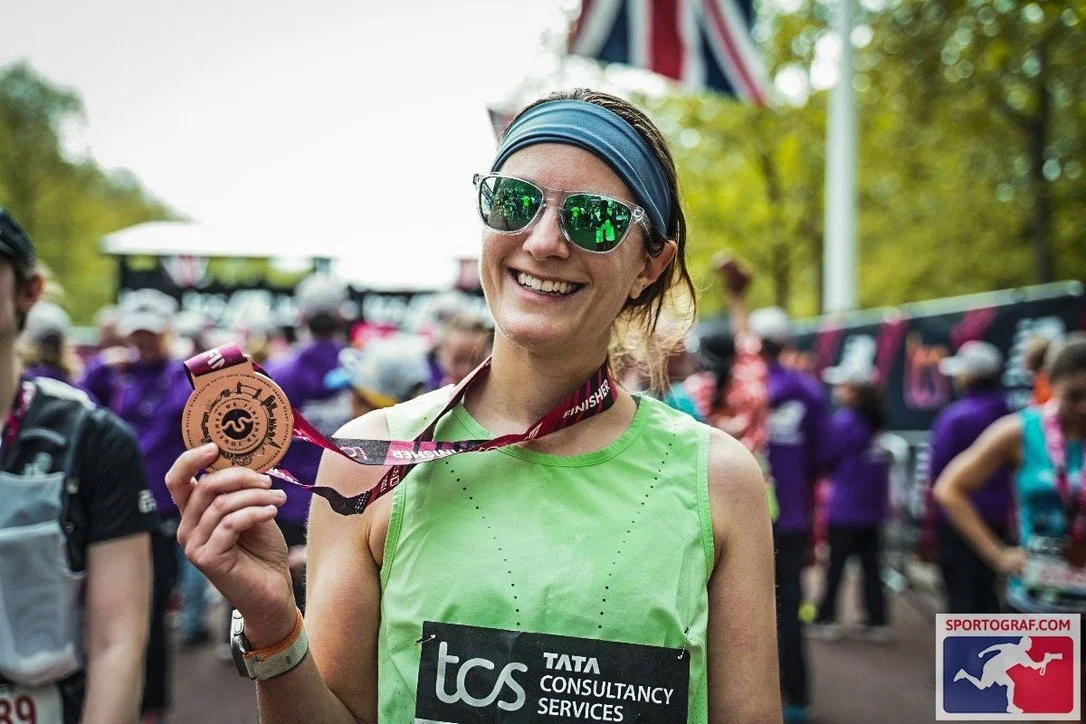
That word, longevity, threads through her life in more ways than one, and I made sure to ask her about what it means to her. After recovering from her B12 scare, Susanne decided to test her endurance in a new way. “I’d been an equestrian all my life, but I wanted something that challenged me differently. I don’t like gyms… they feel… weird,” she says with a grin. “So I put on running shoes and started small.”
Running became both her outlet and her metaphor for leadership. “A marathon doesn’t really start until mile 20,” she says. “That’s when most people hit the wall. It’s the same in business, right? You need endurance, not just speed. You keep going because you remember why you started.” That long-game perspective is exactly what defines Susanne’s work today. In an industry that sometimes races for attention, she’s quietly building something that lasts.
As our conversation winds down, Susanne turns to the trends she’s most excited about heading into 2026. “Being healthy is becoming mainstream,” she says, pointing to everything from mocktails at social gatherings to companies reimagining junk food in a more nutritious light. It’s a small shift with big implications. “You can’t just tell people to eat salads instead of Doritos,” she laughs. “We need realistic solutions that meet people where they are.”
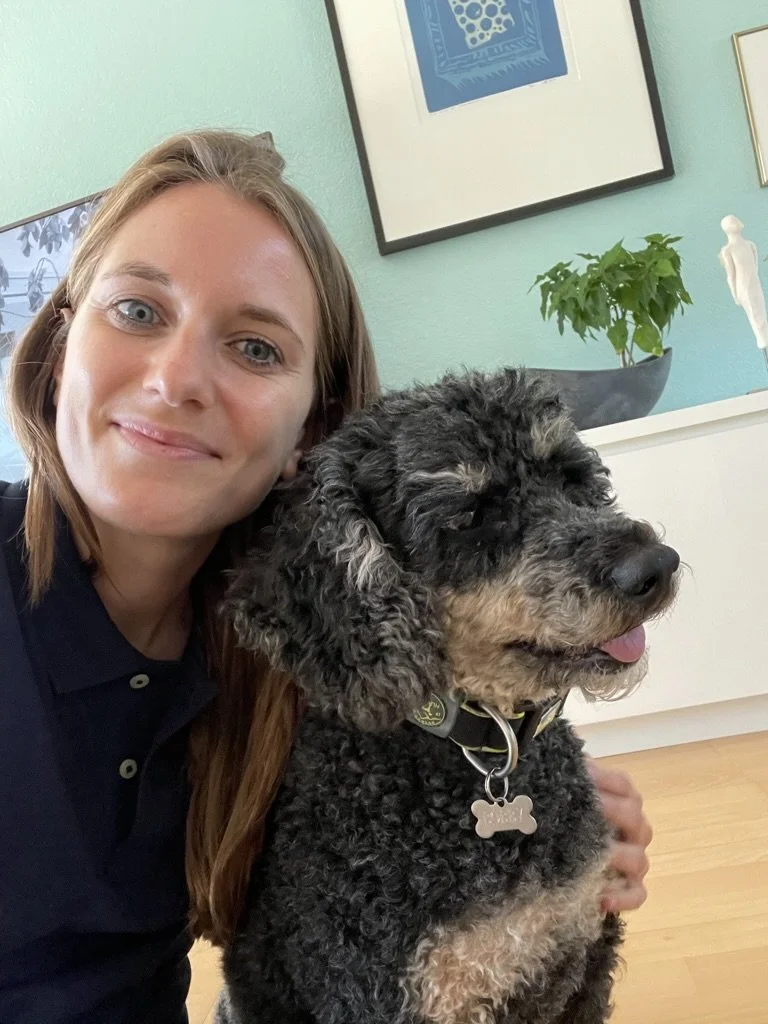
Her lens on wellness extends beyond humans, too. From supplements for pets and kids to functional foods for everyday lifestyles, she sees opportunity in thinking holistically and helping families, communities, and even our furry companions live healthier, more vibrant lives. It’s a grounded perspective, and I would summarise by saying that Susanne definitely believes in meaningful change, but is realistic enough to understand that things don’t happen overnight.
The same philosophy applies to industry challenges, like the recent creatine gummy stability debates during the summer. “Founders often don’t know everything, and that’s okay,” she notes. “It’s about assembling the right team, trusting expertise, and iterating responsibly.”
Looking back at her journey, all the way from building MindMate for older adults to running clinical trials for today’s leading wellness brands, from overcoming a severe B12 deficiency to even recently completing the Sydney marathon in Australia, Susanne’s story is about not cutting corners. Supplements, foods, and consumer health products aren’t magic bullets, but when approached thoughtfully, they can support real and totally sustainable wellness for millions of people.
So, at the heart of it all, Susanne’s story is about doing good, doing well, and keeping moving forward in business and in life. The American dream she chased after moving from Europe isn’t just about entrepreneurship, but also creating something actually meaningful that lasts.
Thank you so much, Susanne, for sharing your story with us!
If you would like to be featured or know someone who would be great to feature, please don’t hesitate to email rachael@jenerise.com 😊
We all rise together,
Rachael Jennings | Co-Founder + CBO, Jenerise