The Real Reason Creatine is a Brain Food
As we usher in the era of Creatine 2.0, the conversation has shifted from the gym floor to the most energy-hungry organ in your body: your brain.
I often think of the brain as a high-performance engine that never truly idles. While it only accounts for about 2% of your body weight, it consumes a staggering 20% of your total body energy. To keep up with the demands of decision-making, memory, and emotional regulation, your brain requires a constant, rapid-fire supply of ATP (Adenosine Triphosphate), the cellular currency of energy.
The real reason creatine is the ultimate "brain food" isn't just about nutrition; it's about bioenergetics. Creatine acts as an energy buffer. Within your neurons, it exists as phosphocreatine, essentially acting like a high-speed charging cable. When your brain is under high demand (think of a high-stakes board meeting, a week of poor sleep, or the mental load of motherhood), it burns through ATP faster than it can be replaced.
Creatine steps in to donate a phosphate molecule, instantly recycling "used-up" ADP back into fresh, usable ATP. It is the "battery backup" that ensures your cognitive lights don't flicker when the pressure is on. As research scientist Ali Gordjinejad notes, if the energy demand is high from cells, phosphocreatine acts as an energy reservoir that dietary creatine helps to refill.
Working alongside world-leading researchers like Dr Darren Candow and Felipe Ribeiro, we’ve seen the data firsthand: the brain’s uptake of creatine is particularly vital during times of "metabolic stress". In a defining study, Ali Gordji-Nejad found that a single dose of creatine could significantly improve processing speed and reaction times in sleep-deprived individuals. It appears that when neurons are under stress, the body is triggered to pull in more creatine to meet the elevated energy demand.
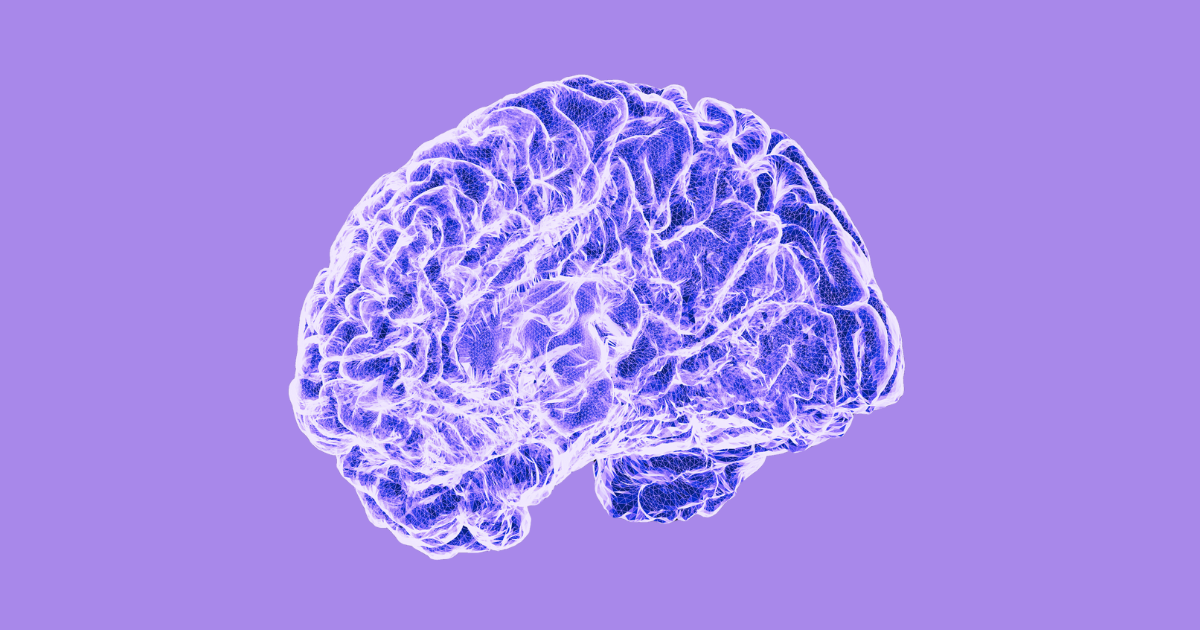
Beyond immediate performance, creatine supports the very architecture of our cognitive health:
By maintaining ATP levels during demanding tasks like studying or problem-solving.
It aids the "powerhouses" of your cells, helping to prevent age-related energy decline and protecting against oxidative damage.
By supporting steady energy levels, it can influence the chemical signals that impact mood and neuron communication.
Emerging research suggests that women may have different creatine needs due to hormonal fluctuations across the lifespan, from postpartum recovery to perimenopause. Women are also more likely to experience conditions like long COVID, where research by Professor Sergej Ostojic suggests the brain depletes creatine under the stress of the disease. For those of us juggling careers, families, and the stressors of modern life, mental fatigue isn't just an inconvenience; it's a barrier to showing up as our best selves.
This isn't just about "optimizing"; it’s about resilience. Whether you are a vegan (who naturally has lower dietary creatine stores), an older adult looking to combat cognitive decline, or an expectant mother (where research is exploring how creatine acts as a "spare battery" for the developing fetal brain), the evidence is clear.
While the fitness world taught us that 3–5 grams a day is the standard, creatine expert Prof. Eric S. Rawson, PhD, spoke at the 2025 Food and Nutrition Conference (FNCE) about how current research is indicating doses of 10 to 20 grams daily are required to saturate brain tissue and support cognitive function under pressure fully. Creatine is a vital energy nutrient for the brain’s longevity, resilience, and protection. It’s time we fueled our most important organ accordingly.

Frequently Asked Questions on this Topic
1. Is it better to take creatine in the morning or at night for my brain?
While timing doesn't change how much creatine eventually reaches your brain, many people prefer taking it in the morning to stay consistent with their daily routine. Because creatine helps your brain manage energy during stressful tasks or sleep loss, having it in your system daily ensures that "internal battery" is always topped up and ready for whatever the day brings.
2. Does drinking coffee or caffeine stop creatine from working?
You can still get the benefits of both, but it is often better to avoid mixing creatine powder directly into your coffee. Caffeine can sometimes increase the risk of a minor stomach upset when taken at the exact same time as a creatine supplement. For the best experience, try stirring your creatine into water or a morning smoothie instead.
3. Will taking creatine make me gain weight if I’m not exercising?
Creatine is not a drug or a steroid, and it doesn't typically cause significant weight gain, especially at the doses used for brain health. Some people might notice a tiny bit of extra water being held in their muscles at first, but this is actually a sign of healthy hydration and doesn't mean you are gaining body fat.
4. Can I get enough creatine for my brain just by eating meat and fish?
While you can get small amounts of creatine from foods like red meat and oily fish, it is very hard to get enough to reach the "brain-boosting" levels seen in scientific studies through diet alone. For example, you would need to drink 200 cups of milk or eat 1.1kg of salmon to get 5 grams of creatine. This is why many people, especially those who follow a vegan or vegetarian diet, choose a supplement to make sure their brain has a reliable energy reserve.
5. Is creatine safe to take every day for a long time?
Yes, scientists have studied creatine for decades and have found it to be very safe for most people to take every single day. It is a naturally occurring compound that your body already produces in your liver and kidneys. As always, if you have any specific health concerns, such as kidney issues, it is a great idea to have a quick chat with your doctor before starting any new supplement.
No doubt there will be lots of exciting and reassuring research coming out in the near future. With any other creatine questions, don’t hesitate to email me! rachael@jenerise.com
We all rise together,
Rachael Jennings | Co-Founder + CBO, Jenerise