Understanding Creatine for ATP Regeneration
The quest for true vitality often feels like a chase after a phantom, right? Something we try to capture with another cup of coffee or a better night's sleep. But as we peel back the layers of health, we find that the essence of "feeling alive" is actually a very specific biological transaction. To understand your energy, you have to understand ATP, or adenosine triphosphate, if you want the full monty. It is the primary energy currency of the human body, the literal fuel that powers every muscle contraction, every nerve signal, and every cellular repair. No matter who you are and what you’re doing. Think of it as your body's most precious resource, and actually, without it, our cells cannot heal, respond to stress, or even maintain the delicate balance we call wellness.
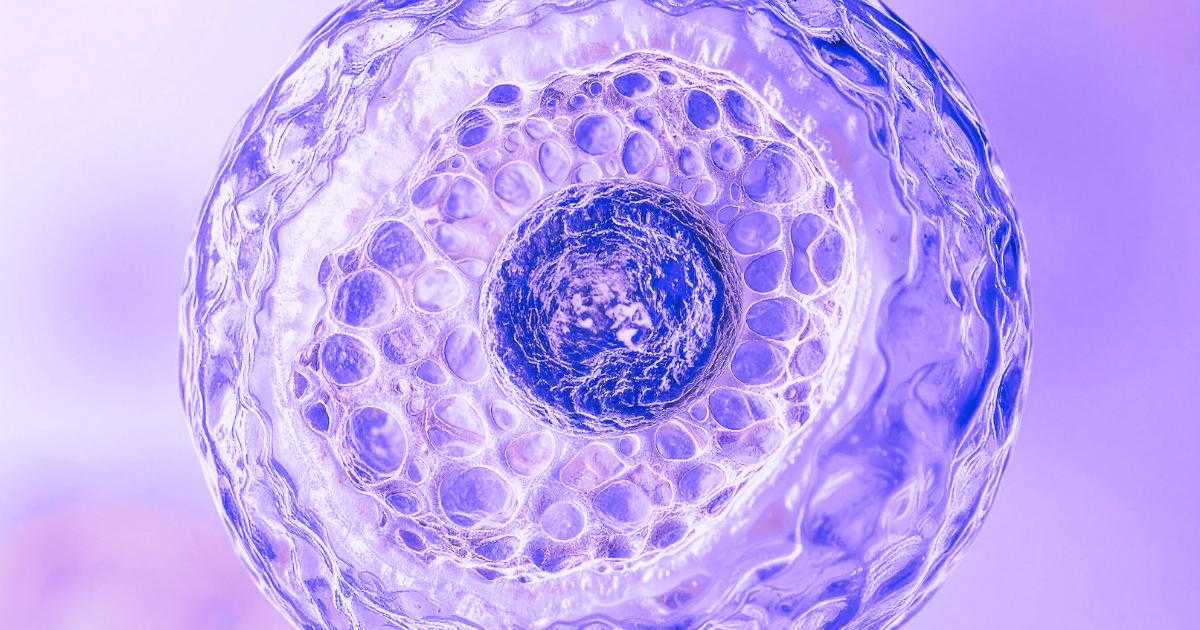
The biological reality is that our bodies are incredibly efficient but lack a significant "savings account" for energy. Your muscles typically hold just enough ATP for a mere one to two seconds of intense activity. That’s not an awful lot, to be fair. This creates a fascinating physiological challenge that our bodies must constantly and rapidly recycle energy to keep us moving. This process of "recharging" the battery happens primarily within your mitochondria (the grade-school-famous cellular powerhouses) through a series of complex pathways like cellular respiration and glycolysis. When we are young and healthy, this cycle is seamless. However, stress, inflammation, and time (three things that impact us all as we go through life) can disrupt this delicate machinery, slowing down our recovery and weakening our cellular resilience. Yikes.
One of the most profound ways to support this energy cycle is by rethinking a supplement often misunderstood by the mainstream: Yes, I’m talking about creatine. While many associate it with the aesthetic of bodybuilding, its true brilliance lies in the ATP-PCr (Adenosine Triphosphate-Phosphocreatine) system. Creatine functions as a high-speed backup generator, holding onto a phosphate group and "donating" it the moment your ATP levels dip. By increasing your phosphocreatine stores by 10% to 40%, you aren't just building muscle, but you are actually expanding your body’s energy reservoir. This support extends far beyond the gym, fueling high-demand organs like your brain, heart, and immune system, ensuring that your "battery" stays charged even when you are mentally or physically taxed.
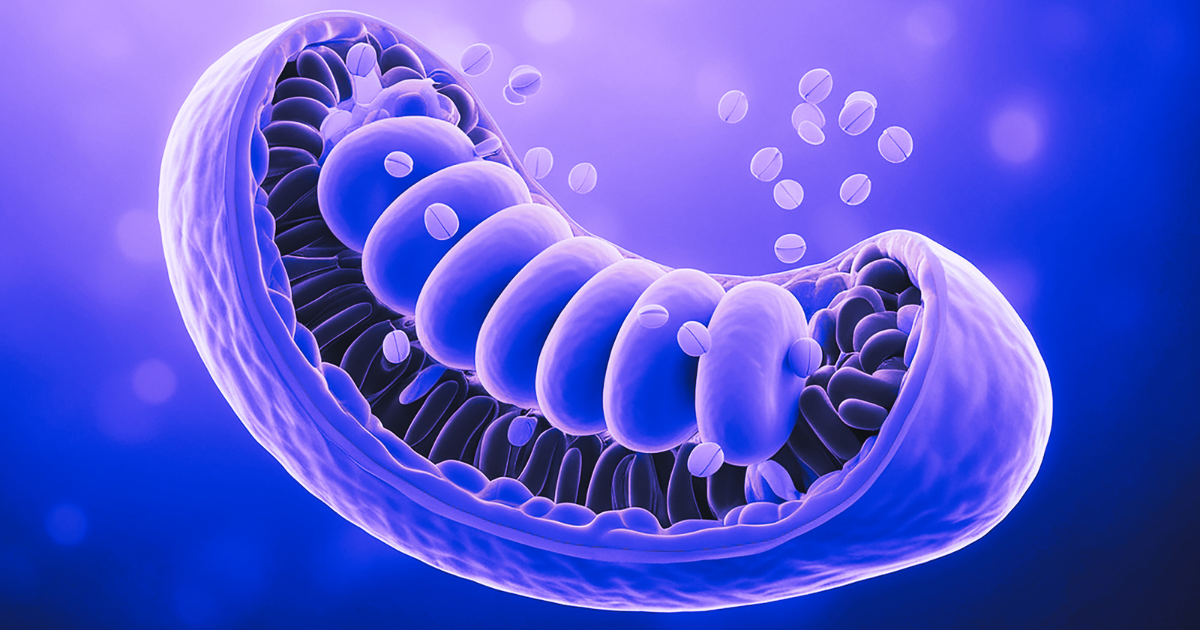
Beyond immediate performance, healthy ATP production is the very foundation of how our bodies repair and maintain themselves. True healing begins at the cellular level; when your mitochondria are functioning optimally, and ATP is abundant, your body gains the literal spark it needs to rebuild damaged tissues and reduce inflammation. This robust energy production supports protein synthesis and allows your cell membranes to work more efficiently, ensuring that nutrients can enter and waste products can be removed. When your cells aren't struggling for "currency," they can focus on their most important work: protecting against oxidative damage and maintaining the equilibrium of your long-term health.
Emerging research suggests that this energy reservoir is particularly vital for women, who may have different creatine needs due to hormonal fluctuations across the entire lifespan, from postpartum recovery to perimenopause. Women are also more likely to experience conditions where the brain's creatine stores are depleted under the stress of disease. Whether you are a vegan with naturally lower dietary stores, an older adult combating cognitive decline, or an expectant mother, the evidence is clear. Creatine is a vital compound for protection.
Ultimately, the goal of understanding ATP is to empower the way you live. If you don’t really know how your body works, you stand a lower chance of legitimately supporting it. When your mitochondria are functioning optimally AND your energy stores are plentiful, everything in your life performs better. I’m talking about things from your mood and muscle performance to your immune defence. We believe that true healing and longevity begin at this microscopic level. By addressing the "ATP storage problem" through smart nutrition and supplementation with creatine, we might just be giving the body the foundational energy it needs to not just survive, but to truly thrive.
Frequently Asked Questions on this Topic
1. Does my body make its own energy, or do I have to get it all from food? Your body is actually a very smart energy factory! It makes its own energy (ATP) inside tiny powerhouses called mitochondria. While it uses the "raw materials" from the food you eat, like healthy fats and carbohydrates, it relies on compounds like creatine to help recycle that energy so you don't run out during a busy day.
2. Can my brain "run out" of energy if I’m working too hard? Your brain never completely shuts off, but it can definitely get tired. When you are doing hard tasks like solving big problems or dealing with a lot of stress, your brain uses up its "energy currency" (ATP) faster than it can make it. This is why you feel mentally drained; your cellular batteries are running low and need a quick way to recharge.
3. Why are the mitochondria so important for staying healthy as I get older? Think of mitochondria as the engines that keep your body running. As we get older, these engines can sometimes get a little sluggish and produce less energy. By supporting them with the right nutrients, you help keep your energy levels steady, which protects your brain and body from the "wear and tear" of aging.
30+ Recovery starts to take longer
40+ Cellular energy production slows down
50+ Daily life starts to require much more effort
60+ Vitality diminishes, and staying active becomes a daily challenge
With any other creatine questions, don’t hesitate to email me! rachael@jenerise.com
We all rise together,
Rachael Jennings | Co-Founder + CBO, Jenerise