Seizing the Years with Isabelle Statovci
In the high-stakes, data-driven world of global pharmaceuticals, ageing is rarely spoken of as a natural transition. Instead, it is often framed as a sequence of clinical endpoints, like actual diagnoses to be managed or progressions to be delayed. But for Isabelle Statovci, a Senior Director with nearly two decades in the industry, the narrative of longevity is undergoing a quiet, profound shift.

I sat down with Isabelle to learn more about whether or not creatine is anywhere near being adopted by or crossing over into the world of pharma and gaining momentum outside the wellness sphere. We chatted about the fascinating intersection where the highly-regulated world of pharma meets the daily, practical reality of human movement and nutrition. Born in Australia and now based in Switzerland, Isabelle brings a unique boots on the ground perspective to clinical science, one that actually prioritises the person behind the data points.
Isabelle’s journey began in the study halls of Exercise and Sports Science in Sydney. This early understanding of human movement really impacted the way she looks at clinical trials today. While many see a trial as a set of chemical interactions, Isabelle sees a human being who has to physically show up, move, and respond to life and the world around them.

"When I look at a trial now," she told me during our interview, "I’m not just looking at the molecular efficacy; I’m looking at the functional reality of the patient. Can they actually perform the tasks we are asking? Does this intervention translate to a better quality of movement in their actual life?"
She explains how one of the biggest hurdles is the quality and the consistency of evidence. Isabelle knows that you see this with prescription drugs, and they have earned trust because of the massive, well-designed trials behind them. Whereas lifestyle supplements, such as creatine, while incredibly promising and greatly studied, haven’t historically been researched or manufactured in the exact same way with the intense level of rigour as actual pharmaceuticals have been and continue to be.
This grounded perspective is supported by a habit developed in her younger years that has unexpectedly served her best in the corporate world. I’m talking about persistence. Whether it was training in a pool at 5:00 AM in Sydney or navigating complex global drug launches, the ability to simply stay in the lane and keep moving forward has been her greatest asset in the boardroom.
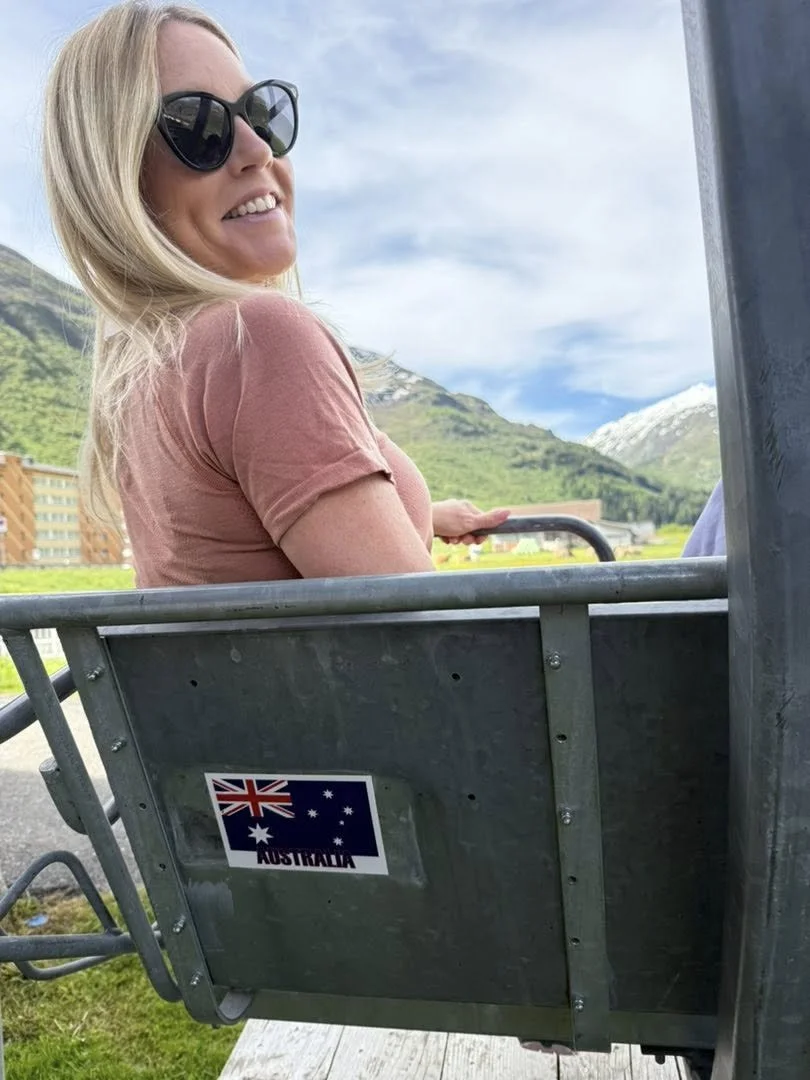
"I realised working all these years in pharma that the pharmaceutical industry does take longevity and wellness very seriously, but it's not maybe in the same way that the public conversation has framed it till now… for pharmaceutical and biotech companies, longevity isn't viewed as biohacking or lifestyle optimisation. They look at it as long-term disease prevention and as a healthspan problem."
Moving from the laid-back, outdoor-centric culture of Australia to the structured, precision-heavy environment of Switzerland was a massive leap. This transition taught Isabelle a great deal about how different cultures prioritise healthspan. In Australia, health is often synonymous with vitality and the outdoors; it’s visible and active. In Switzerland, there is a deep, systemic respect for precision and long-term structure. This cultural blend has informed her view of longevity as well, actually.
"What I quickly discovered when it comes to healthspan while working at companies like Roche is that the industry isn't just looking for 'anti-ageing' miracles," she notes. "They are focused on the convergence of science and consumer wellness through proactive models, identifying biomarkers and early detection tools that allow for intervention years before a disease fully manifests."
As the holder of a Master's in Nutrition, Isabelle is inherently sceptical of the health trends currently blowing up the industry and on social media. When I asked her what she finds most scientifically overrated, she had an immediate and clear answer. The obsession with superfoods or single-ingredient cleanses. Think detox teas and water with only chia seeds floating around in it. To Isabelle, the focus on one magic berry or juice ignores the clinical reality of a balanced dietary pattern, which is ultimately the most important part.
This scepticism extends to how she evaluates new longevity ingredients, too. If she were looking at a new ingredient today, the first piece of clinical data she looks for isn't the marketing before and after picture of the pilot customers... It’s the absorption, distribution, metabolism, and excretion.

"I want to know: is it actually absorbed? Does it reach the target tissue in a meaningful concentration? Without that data, the rest is just marketing."
This clinical rigour is the biggest challenge in getting the medical establishment to take lifestyle supplements (such as the Creatine 2.0 shift from muscle to brain health) as seriously as prescription drugs. Until supplements are held to the same standards of evidence quality and standardised dosing as therapeutics, the gap between the supplement aisle and the doctor’s office will remain wide.
Perhaps the most relatable part of our conversation was Isabelle's own shift in motivation. There was a specific moment in her life when she stopped training for performance or aesthetics and started training for longevity. It wasn't a single event, but rather the realisation that came with being a mother of three.
"The goal transformed from 'how do I look in the mirror' to 'how can I ensure I am strong enough to run after my three daughters for the next thirty years?'"
As a woman with a high-stakes career and a busy household, she quite simply rejects the idea that health requires a perfect, two-hour block of time. Instead, she told me about how liberating it’s been to shift her mindset around fitness to a place where a hike across the Swiss mountains with her husband and 3 daughters is totally a workout. The importance of being physically active while doing something you enjoy, with an added bonus of being in nature, is an example she’s committed to setting for her young kids.
When asked to bet on one scientific breakthrough that will redefine how we age in the next decade, Isabelle doesn't point to a miracle pill. Instead, she bets on the earlier and more precise measurement of our literal biological age.
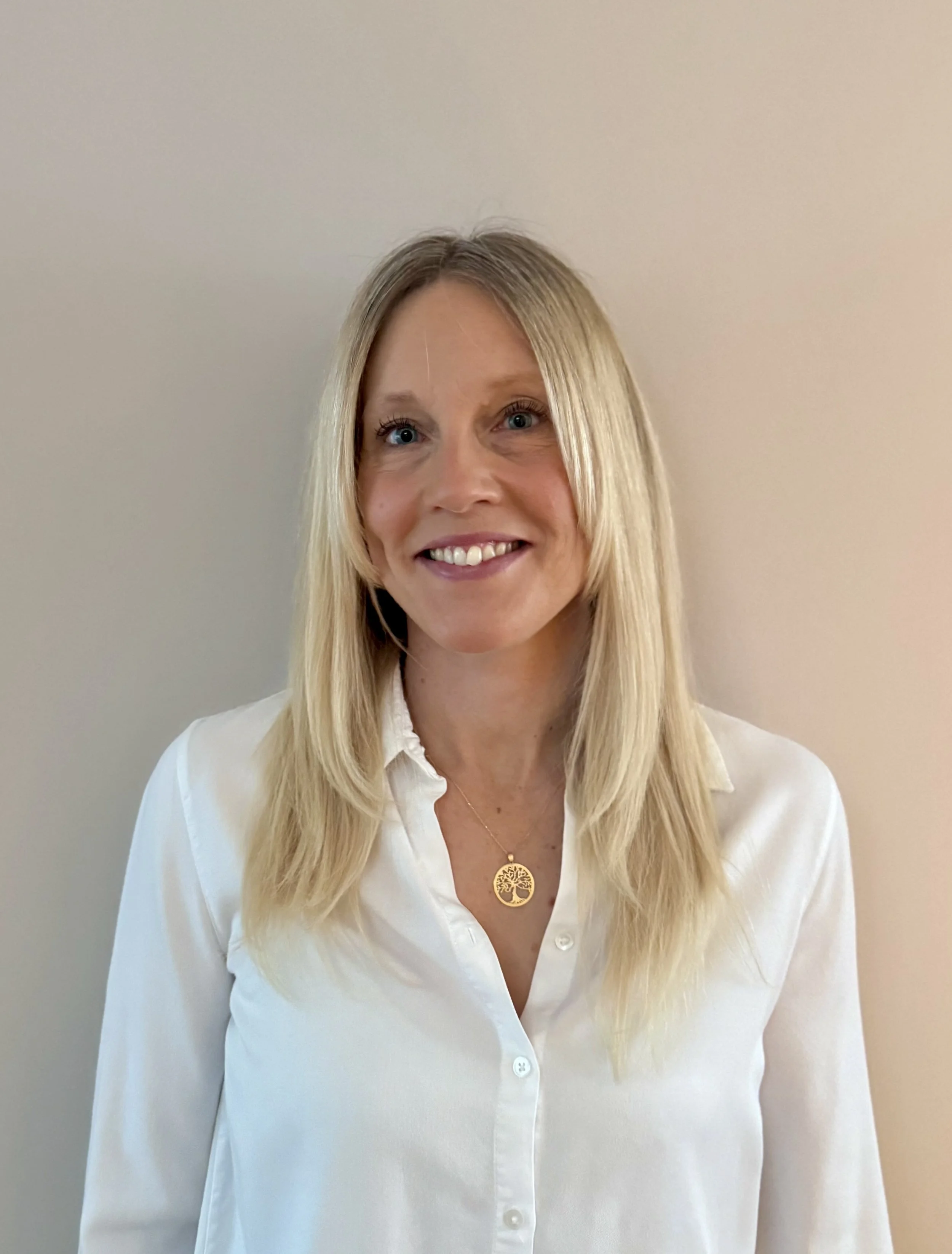
"If we can move from reactive diagnostics to precise, early-stage biological monitoring, we can change the trajectory of ageing before the decline even starts," she concludes.
It’s a vision of the future that is both clinically accurate and deeply human, and only time will tell how creatine will fit into this.
Thank you so much, Isabelle, for sharing your story with us! If you would like to be featured or know someone who would be great to feature, please don’t hesitate to email rachael@jenerise.com
We all rise together,
Rachael Jennings | Co-Founder + CBO, Jenerise