Why Creatine is Foundational to Women's Health
Few would argue that the pace of modern life has increased. What is increasingly clear is that this is not just a subjective experience. Data across biological, psychological, and social domains suggest meaningful strain on physical health, mental well-being, sleep, and recovery. Simply put, this means for women, between work, family, poor sleep, and constant mental load, energy often feels stretched thin.
For example, some population studies estimate that up to one in three adults may exhibit biological ageing markers that exceed their chronological age. A substantial proportion of the workforce reports severe daily time pressure, while the majority of adults fail to consistently achieve recommended sleep duration. Rates of anxiety and depressive symptoms are also rising. Even without awareness of these statistics, many people feel the effects and are increasingly turning to lifestyle changes and nutritional supplements in search of support.
In that search, creatine may show up. Once viewed almost exclusively as a supplement for athletes in high-intensity, power-based sports, creatine is now being studied for broader health applications. This is where the conversation becomes more nuanced. While some claims are supported by strong evidence, others are still emerging and require cautious interpretation. Importantly, much of the foundational research has historically been conducted in men. Although the evidence base in women is smaller and more variable, it is now expanding to examine creatine’s potential role across the female lifespan, including menstruation, pregnancy, menopause, mood, and bone health.
So what is creatine, why might it matter for women, and why is it receiving renewed attention now?
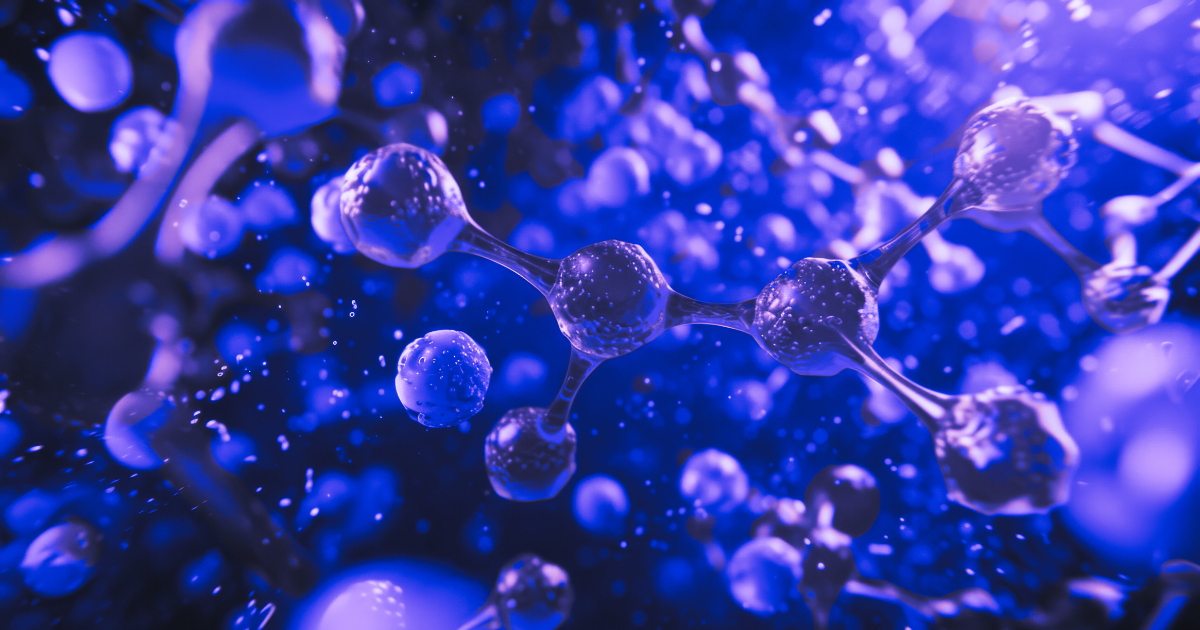
Creatine is a naturally-occurring compound, and the body produces under 1g per day in the liver. Creatine can be obtained through diet via animal protein, especially red meat and fish, but one would need to eat inhuman amounts to hit the level available in most creatine supplements available to buy. Foods high in creatine include - Beef, Pork, Salmon, Chicken, Venison, Cod, Tuna. In total, the average person carries about 120 grams of creatine in their body and uses around two grams each day. Supplementing raises phosphocreatine stores beyond what the body makes and what food alone can provide.
Creatine’s performance-enhancing effects are primarily linked to its role in cellular energy metabolism. It supports the rapid regeneration of adenosine triphosphate (ATP), the body’s primary energy currency, particularly during periods of high demand. Creatine also contributes to intracellular buffering, which can delay fatigue during intense exercise. Beyond skeletal muscle, creatine is present in the central nervous system and other metabolically active tissues. The creatine–phosphocreatine system plays an important role in tissues with high and fluctuating energy requirements, including muscle, brain, bone, and reproductive organs.
Sex-based differences in creatine metabolism are increasingly recognised. Women have been shown to synthesise approximately 20–30% less creatine endogenously and typically consume less creatine from dietary sources compared to men. Interestingly, women tend to have higher intramuscular creatine concentrations relative to muscle mass, likely reflecting lower overall muscle mass and storage capacity. These differences may influence responsiveness to supplementation, although evidence remains mixed and does not yet support definitive sex-specific dosing recommendations. With this context in mind, it is useful to consider creatine’s relevance for women across different physiological domains.
Creatine and the Menstrual Cycle
Hormonal fluctuations across the menstrual cycle can influence hydration status, perceived fatigue, and exercise performance. Emerging research suggests that creatine supplementation may help reduce some of these changes, particularly during the luteal phase.
Some studies report improved cellular hydration, reduced fatigue, and greater stability in strength and power measures across the cycle. While these findings are promising, they should be interpreted cautiously, as sample sizes remain relatively small and individual responses vary. Overall, creatine may help support more consistent training experiences during hormonally challenging phases, rather than eliminating cyclical performance changes altogether.
Mood, Cognition, and Sleep
The brain is a highly energy-dependent organ, and women are disproportionately affected by mood disorders across the lifespan. Creatine has been shown to influence brain energy homeostasis, which may help support cognitive function and mood in certain contexts. Some evidence suggests potential benefits as an adjunct to standard treatments for depression, although creatine should not be considered a standalone therapy. Regarding sleep, recent studies in resistance-trained women indicate that creatine supplementation (approximately 5 g/day) may increase total sleep duration on training days. These findings are preliminary but suggest a possible role in recovery support, particularly in physically active women.
Pregnancy, Fertility, and Reproductive Health
Creatine plays an important role in uterine, placental, and fetal energy metabolism. Animal models indicate potential protective effects on placental function and fetal brain development under hypoxic (low or inadequate levels of oxygen) conditions. Human data in this area are limited, and large-scale clinical trials are still needed.
Current evidence suggests that standard-dose creatine is generally safe for women of reproductive age. However, supplementation during pregnancy or while trying to conceive should only be considered under medical supervision, given the lack of robust human safety and dosing data in these populations.
Menopause, Bone Health, and Ageing
Declining estrogen levels during menopause contribute to reductions in muscle mass and bone density, increasing fracture risk. Research indicates that when combined with resistance training, creatine supplementation may help preserve bone geometry at clinically relevant sites such as the femoral neck, while also improving muscle strength and functional outcomes like walking speed.
Notably, low-to-moderate doses of creatine taken without resistance training do not appear to meaningfully improve bone density or muscle mass, even with long-term use. These findings reinforce that creatine functions best as a complement to exercise, rather than as a standalone intervention.
Safety and Practical Use
Creatine monohydrate is one of the most extensively studied dietary supplements, with research spanning three decades across diverse populations. Creatine has a strong safety profile when consumed at standard doses. Current evidence supports daily intake of approximately 3–5g, with or without a loading phase. While loading protocols (e.g., 20 g/day for 5–7 days) accelerate tissue saturation, they are not necessary for long-term benefits. A product that is third-party tested and transparent about sourcing should be the preferred choice.
Total daily intake appears to be more important than precise timing, although some individuals prefer post-exercise dosing. Gastrointestinal discomfort may occur initially, particularly with higher doses, but is typically transient. Women concerned about bloating or scale weight changes may benefit from avoiding loading phases.
Practical Takeaways
For most women, creatine is not about physique changes or performance extremes. Its potential value lies in supporting cellular energy availability across muscle, brain, and bone, particularly during periods of high demand or physiological transition. When paired with resistance training, creatine may contribute to improved strength, resilience, and functional capacity across the lifespan. Women with kidney disease, complex medical conditions, or those who are pregnant or attempting to conceive should consult a healthcare professional before initiating supplementation.
This article draws on peer-reviewed research from nutrition, sports science, and women’s health literature.
We all rise together,
Isabelle Statovci | Monthly Blog Contributor, Jenerise | BSc Exercise Science, MSc NutrDiet-APD Senior Director - Clinical Science
References
Diez-Canseco, F. et al. (2024). Association between stressful life events and depression, anxiety, and quality of life. Frontiers in Psychology, 15. https://doi.org/10.3389/fpsyg.2024.1466378
Healthy Ageing Needs Assessment Summary (2018). Suffolk County Council JSNA. https://www.healthysuffolk.org.uk/asset-library/JSNA/healthy-ageing-executive-summary-report-webfinal130718.pdf
Makarem, N. et al. (2021). Effect of Sleep Disturbances on Blood Pressure. Hypertension, 77(3), 1036-1046. https://doi.org/10.1161/hypertensionaha.120.14479
Martinez-Fierro, M. L. et al. (2022). Usefulness of a Mobile Application for Anxiety and Depression Screening. Brain Sciences, 12(9), 1223. https://doi.org/10.3390/brainsci12091223
Mind. (2025). The Big Mental Health Report 2025 (UK). https://www.mind.org.uk/media/zianu2rn/mind_the-big-mental-health-report_digital4.pdf
Journal of Health Literacy and Qualitative Research. (2021). Occupational Burnout and Workload: Mental Health Challenges. https://journal.sinergi.or.id/index.php/jhlqr/article/view/528/428
Smith‐Ryan, A., DelBiondo, G., Brown, A., Kleiner, S., Tran, N., & Ellery, S. (2025). Creatine in women’s health: bridging the gap from menstruation through pregnancy to menopause. Journal of the International Society of Sports Nutrition, 22. https://doi.org/10.1080/15502783.2025.2502094
Smith‐Ryan, A., Cabre, H., Eckerson, J., & Candow, D. (2021). Creatine Supplementation in Women’s Health: A Lifespan Perspective. Nutrients, 13. https://doi.org/10.3390/nu13030877
Hall, L., Klassen, S., Holbein, J., & Waters, J. (2025). Impact of creatine supplementation on menopausal women’s body composition, cognition, estrogen, strength, and sleep. Journal of the International Society of Sports Nutrition, 22. https://doi.org/10.1080/15502783.2025.2533673
Gutiérrez-Hellín, J., Del Coso, J., Franco-Andrés, A., Gamonales, J., Espada, M., González-García, J., López-Moreno, M., & Varillas-Delgado, D. (2024). Creatine Supplementation Beyond Athletics: Benefits of Different Types of Creatine for Women, Vegans, and Clinical Populations—A Narrative Review. Nutrients, 17. https://doi.org/10.3390/nu17010095
Lobo, D., Tritto, A., Da Silva, L., Oliveira, P., Benatti, F., Roschel, H., Niess, B., Gualano, B., & Pereira, R. (2015). Effects of long-term low-dose dietary creatine supplementation in older women. Experimental Gerontology, 70, 97-104. https://doi.org/10.1016/j.exger.2015.07.012
Szczepański, M., Dzieszko, N., Borowski, M., Francuziak, A., Dembicki, P., Kozłowska, K., Książek, T., Szeliga, A., Kalinowska, W., & Kulasza, P. (2025). The Role of Creatine in Enhancing Bone Health Among Postmenopausal Women. Quality in Sport. https://doi.org/10.12775/qs.2025.45.66514
Tam, R., Mitchell, L., & Forsyth, A. (2025). Does Creatine Supplementation Enhance Performance in Active Females? A Systematic Review. Nutrients, 17. https://doi.org/10.3390/nu17020238
Gordon, A., Moore, S., Patterson, N., Hostetter, M., Cabre, H., Hirsch, K., Hackney, A., & Smith‐Ryan, A. (2023). The Effects of Creatine Monohydrate Loading on Exercise Recovery in Active Women throughout the Menstrual Cycle. Nutrients, 15. https://doi.org/10.3390/nu15163567
Avon, I., Levers, K., Wasilcyzk, N., Glick, E., Flacke, E., Silverman, A., Lynch, P., Rainey, A., Ball, H., Sorokin, A., Stranieri, A., Jin, Y., & Miller, T. (2025). Creatine monohydrate supplementation strategies on body composition and water distribution in female recreational athletes. Journal of the International Society of Sports Nutrition, 22. https://doi.org/10.1080/15502783.2025.2533668
Ostojic, S., Stea, T., Ellery, S., & Smith‐Ryan, A. (2024). Association between dietary intake of creatine and female reproductive health: Evidence from NHANES 2017–2020. Food Science & Nutrition, 12, 4893 - 4898. https://doi.org/10.1002/fsn3.4135
Moore, S., Gordon, A., Cabre, H., Hackney, A., & Smith‐Ryan, A. (2023). A Randomized Controlled Trial of Changes in Fluid Distribution across Menstrual Phases with Creatine Supplementation. Nutrients, 15. https://doi.org/10.3390/nu15020429
De Guingand, D., Palmer, K., Snow, R., Davies-Tuck, M., & Ellery, S. (2020). Risk of Adverse Outcomes in Females Taking Oral Creatine Monohydrate: A Systematic Review and Meta-Analysis. Nutrients, 12. https://doi.org/10.3390/nu12061780
Chilibeck, P., Candow, D., Gordon, J., Duff, W., Mason, R., Shaw, K., Taylor-Gjevre, R., Nair, B., & Zello, G. (2023). A 2-yr Randomized Controlled Trial on Creatine Supplementation during Exercise for Postmenopausal Bone Health. Medicine and Science in Sports and Exercise, 55, 1750 - 1760. https://doi.org/10.1249/mss.0000000000003202
Sales, L., Pinto, A., Rodrigues, S., Alvarenga, J., Gonçalves, N., Sampaio-Barros, M., Benatti, F., Gualano, B., & Pereira, R. (2020). Creatine supplementation (3 g/day) and bone health in older women: a 2-year, randomized, placebo-controlled trial. The journals of gerontology. Series A, Biological sciences and medical sciences. https://doi.org/10.1093/gerona/glz162
Ellery, S., Walker, D., & Dickinson, H. (2016). Creatine for women: a review of the relationship between creatine and the reproductive cycle and female-specific benefits of creatine therapy. Amino Acids, 48, 1807-1817. https://doi.org/10.1007/s00726-016-2199-y
Gotshalk, L., Kraemer, W., Mendonca, M., Vingren, J., Kenny, A., Spiering, B., Hatfield, D., Fragala, M., & Volek, J. (2007). Creatine supplementation improves muscular performance in older women. European Journal of Applied Physiology, 102, 223-231. https://doi.org/10.1007/s00421-007-0580-y
Chilibeck, P., Candow, D., Landeryou, T., Kaviani, M., & Paus-Jenssen, L. (2015). Effects of Creatine and Resistance Training on Bone Health in Postmenopausal Women. Medicine and science in sports and exercise, 47 8, 1587-95. https://doi.org/10.1249/mss.0000000000000571
Muccini, A., Tran, N., De Guingand, D., Philip, M., Della Gatta, P., Galinsky, R., Sherman, L., Kelleher, M., Palmer, K., Berry, M., Walker, D., Snow, R., & Ellery, S. (2021). Creatine Metabolism in Female Reproduction, Pregnancy and Newborn Health. Nutrients, 13. https://doi.org/10.3390/nu13020490
Moore, S., Mutuwa, A., Brown, A., & Smith‐Ryan, A. (2025). The effects of creatine loading on cellular integrity and jump performance across the menstrual cycle. Journal of the International Society of Sports Nutrition, 22. https://doi.org/10.1080/15502783.2025.2533651
Aguiar, A., Cruz, B., Brooks, S., Kleinkopf, K., Brush, C., Irwin, G., Schwartz, M., Candow, D., & Brown, A. (2024). Creatine Improves Total Sleep Duration Following Resistance Training Days versus Non-Resistance Training Days among Naturally Menstruating Females. Nutrients, 16. https://doi.org/10.3390/nu16162772