Seizing the Years with Theo Wiley
In the quiet, clinical world of biotech, progress is often measured in decades, not days. That’s just the way it works. We hear whispers of "precision medicine" in high-level journals, if you even read that kind of thing, but for the average person standing in a supplement aisle wanting to feel better, health still feels like a game of expensive guesswork. Myself included.
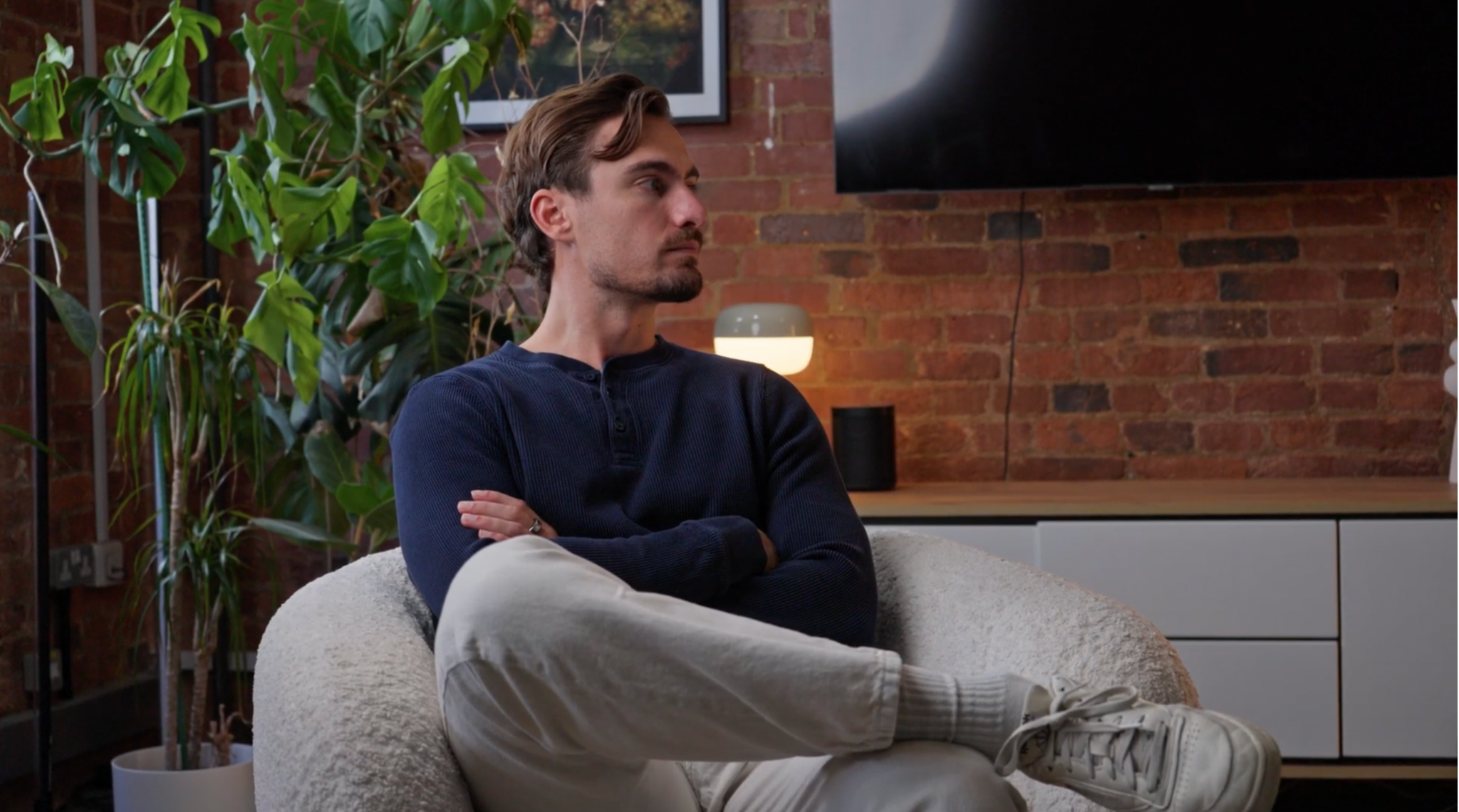
Theo Wiley is working to change that narrative. I had the pleasure of meeting Theo at a party in Barcelona last year, and featuring him on the blog to kick off 2026 was a no-brainer.
I recorded with Theo in December, and within minutes, it was clear that his vision for Myoform is more than just another health startup. Why? Well, it’s an almost radical "trickle-down" of pharmaceutical-grade technology into our daily lives, like a bridge between the sterile lab and the lived human experience. And who doesn’t want a little more of that?
However, Theo’s journey didn’t start as an entrepreneur, though. Which I wanted to know more about. It actually began with a rather personal confrontation with biology. Born with genetic hearing loss, Theo developed a strong affinity and interest in the healthcare system at a young age, eventually pursuing human biosciences and genetics at the University of Exeter. He wasn’t just a student of the lab during that time, as he was also an athlete looking for an edge. The 1% that can make a big difference. He was someone who understood that while he wasn’t per se the most naturally talented, he could use science to outpace his own limitations.
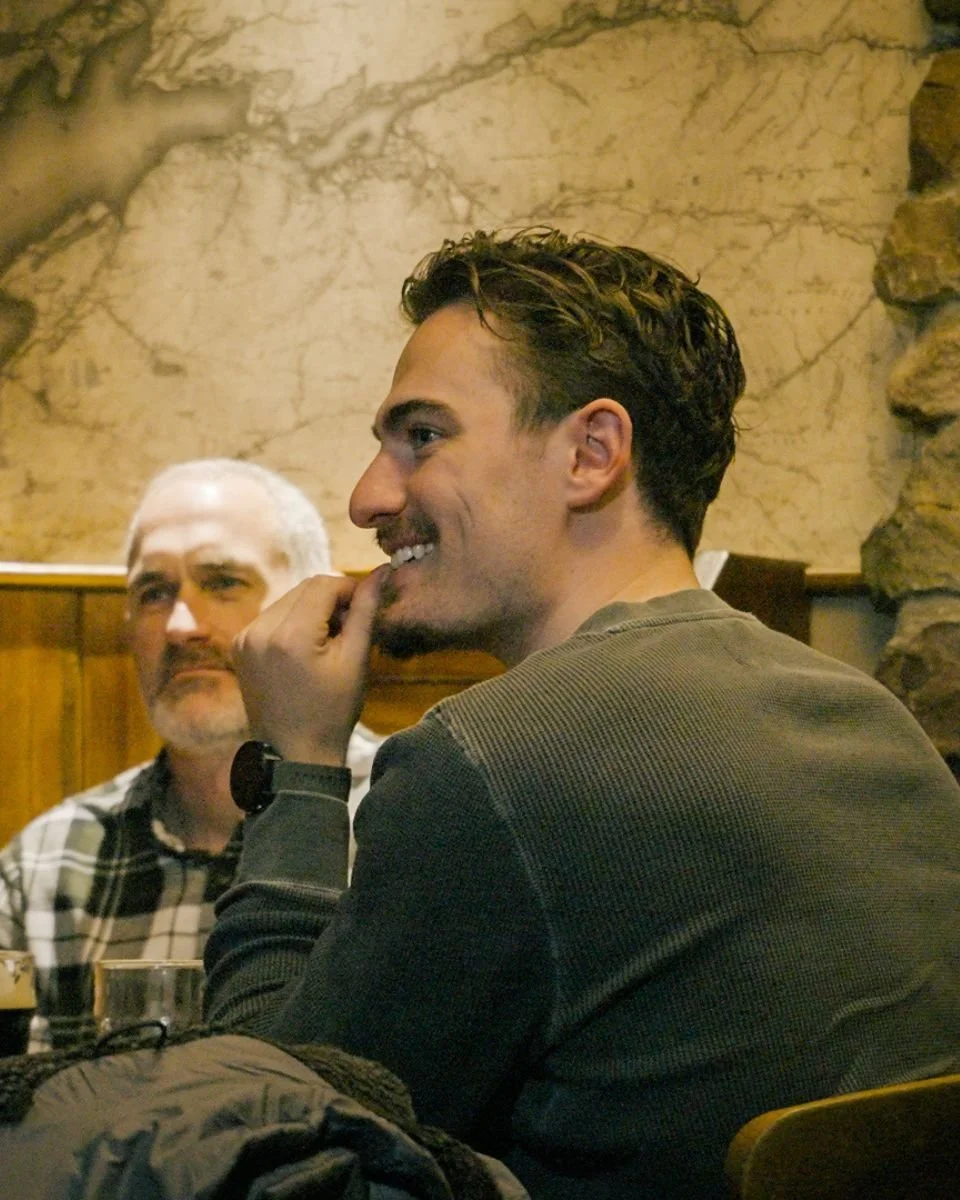
"I was frustrated," Theo told me, reflecting on his years commercialising digital products for major pharma companies. "We have these incredible tools in precision medicine, but they weren’t reaching the people who needed them most… the consumers trying to live better, longer."
I’m sure most of us have been there, whether you work in the industry or not. Having a total cabinet in the kitchen or bathroom still full of half-used supplement bottles and pots, bought on the recommendation of an influencer or a well-meaning salesperson in Holland and Barrett or GNC. Theo calls this "taking supplements blind". Anyone still have a half-eaten bag of creatine gummies at the back of a cupboard since last summer? Yeah, that’s a good example.
Myoform’s answer is a precision data model that layers four distinct categories to remove the guesswork. I try to avoid using numbered lists in my features, but here’s the best way to actually lay out what Theo’s platform does step by step:
Looking at 100% of your DNA, not just a small panel. (That’s unique.)
A precise "check-in" on your personal, current biomarker levels.
Using digital biomarkers (which Myoform can manage as input from a smart watch or ring you might already be used to using, easy!), like HRV and sleep scores, to track efficacy in real-time.
And the real differentiator… the actual human context. Things like your personal food diary, your stress, and, of course, your (realistic) goals.
Now, so what does all of this have to do with creatine? For our community, the most fascinating part of Theo’s work might indeed lie in this "red thread" of personalised creatine utilisation. We often talk about creatine as a universal win with the 5g/day dosage being generally recommended and accepted as the standard that’s safe and efficacious for most people, but Theo’s data shows a more nuanced reality. One I was eager to find out more about.
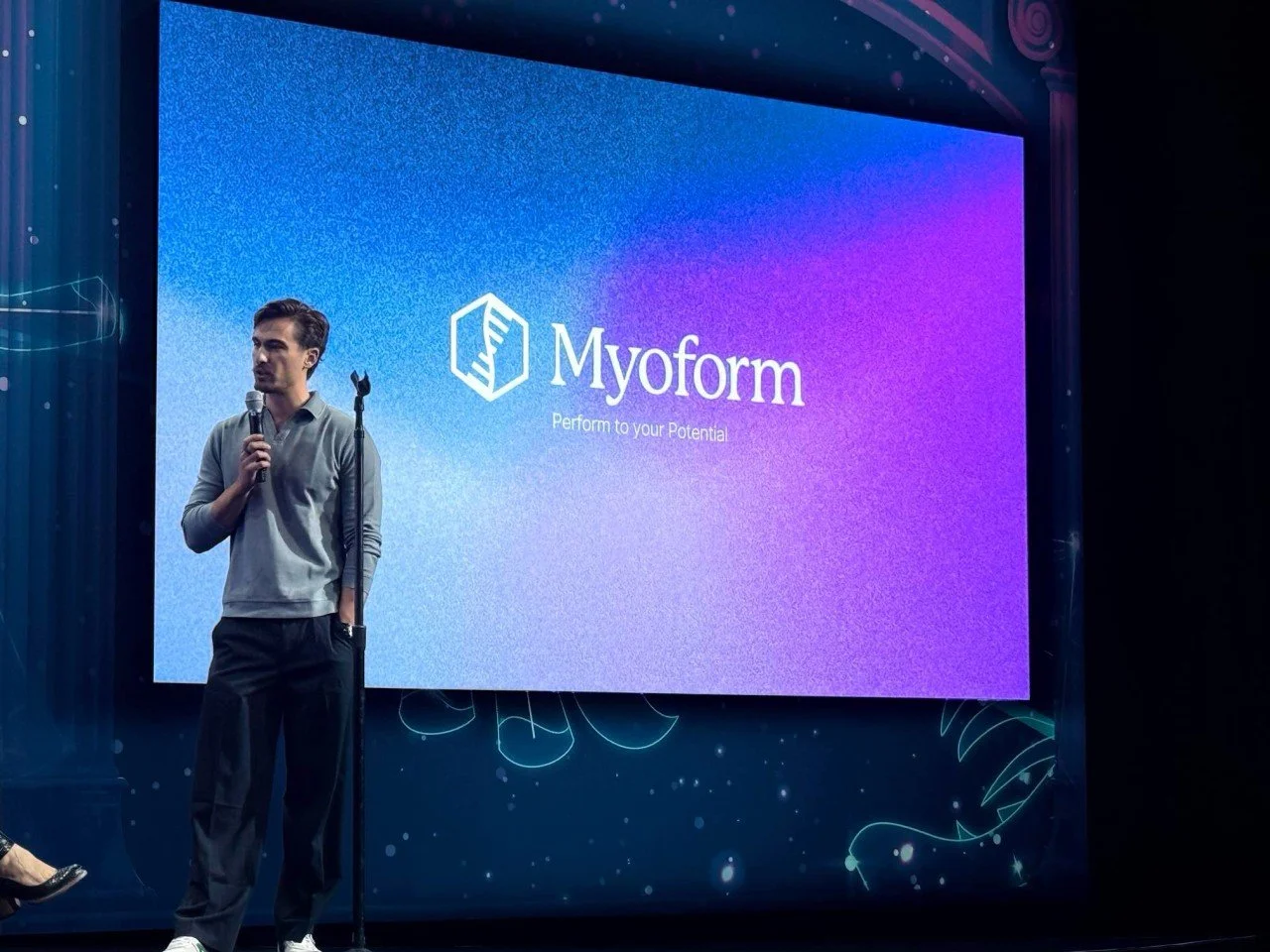
He explains that genetic variations (specifically in genes like GATM and MTHFR) dictate how efficiently your body synthesises its own creatine. So this starts before we even consider supplementation to give our bodies some amped up saturation, and we are simply contemplating the natural production and quantities of creatine that’s made in our bodies on a daily basis. Some people are "hyper-responders," while others may be "non-responders" because their genetic "recipe" for building and storing the compound is slightly different.
This, of course, makes sense when you also consider that some children are born with literal cerebral creatine deficiencies, which can lead to delays in speech development and seizures, amongst other things. This part of my chat with Theo really solidified the fact that creatine isn’t just the white powder we can buy, but it’s a naturally occurring and absolutely crucial compound that is intrinsic to the way our bodies stay energised at every age.
"If you have low levels of the GATM enzyme, you might even have an increased risk of muscle pain because your body isn't synthesising enough creatine," Theo explains.
By using a polygenic risk score, Myoform can tell you exactly where you fall on that spectrum and adjust your creatine supplement dosage accordingly, which it does by integrating factors like your weight, sex, and even your current sleep deprivation. How cool is that?
One of the most inspiring parts of our talk was Theo’s commitment to closing the data gap in women’s health. Through a partnership with Dama Health, Myoform is developing hyperspecific insights into how hormonal contraception affects nutrient levels and how genetics play into female-specific supplementation. It is, quite honestly, a rather refreshing departure from the "one size fits all" approach that has dominated the industry for decades. I wish Theo all the best.
As we wrapped up, Theo and I discussed a sentiment that feels strongly aligned with our Jenerise philosophy, and that of Myoform as well. That science is a process, not a destination.
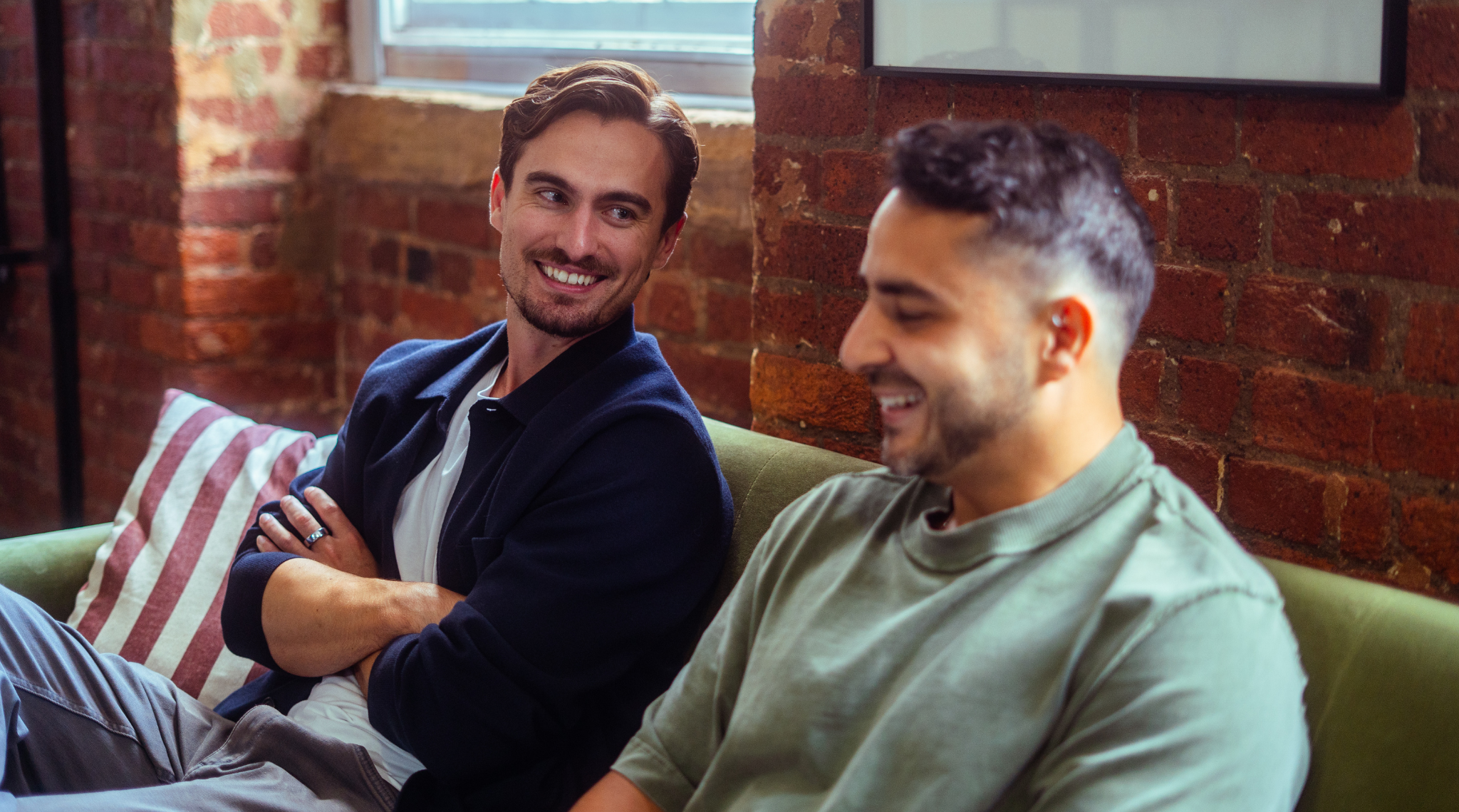
"We aim to be more directional than anything else currently available," he says. "It’s better to be 'roughly right' than 'precisely wrong.'"
His platform recognises that as clinical literature evolves, so should your supplement routine. Do you agree? As far as I’m concerned, Theo’s offering a useful map to your own biology. As Myoform opens to the public this month, it marks a new beginning for how we seize our years with the quiet yet totally powerful certainty of data.

Seizing the Years is now on YouTube and Spotify!
Thank you so much, Theo, for sharing your story with us! If you would like to be featured or know someone who would be great to feature, please don’t hesitate to email rachael@jenerise.com
We all rise together,
Rachael Jennings | Co-Founder + CBO, Jenerise