Seizing the Years with Brandon Casteel
There's a moment in this episode where Brandon is describing his daily creatine routine, and he says, almost in passing, that all products containing creatine in their formulation are "up 47% in sales year-over-year on Amazon globally." And then, without skipping a beat, creatine products positioned to women, up 82%. Those positioned toward cognitive health and active seniors, up 91%.
He's not speculating. He's not repeating something he just read on LinkedIn and likes the idea of. He's reading from Jungle Scout data… 600 million products tracked in literal real time on the world's largest global marketplace. Brandon Casteel is, quite literally, the person whose job it is to know. And he shared all that and more with me in our interview.
And yet what makes him such a compelling guest for Seizing the Years is that he's not just watching this wave from a spreadsheet. He's been riding it himself since the mid-90s.
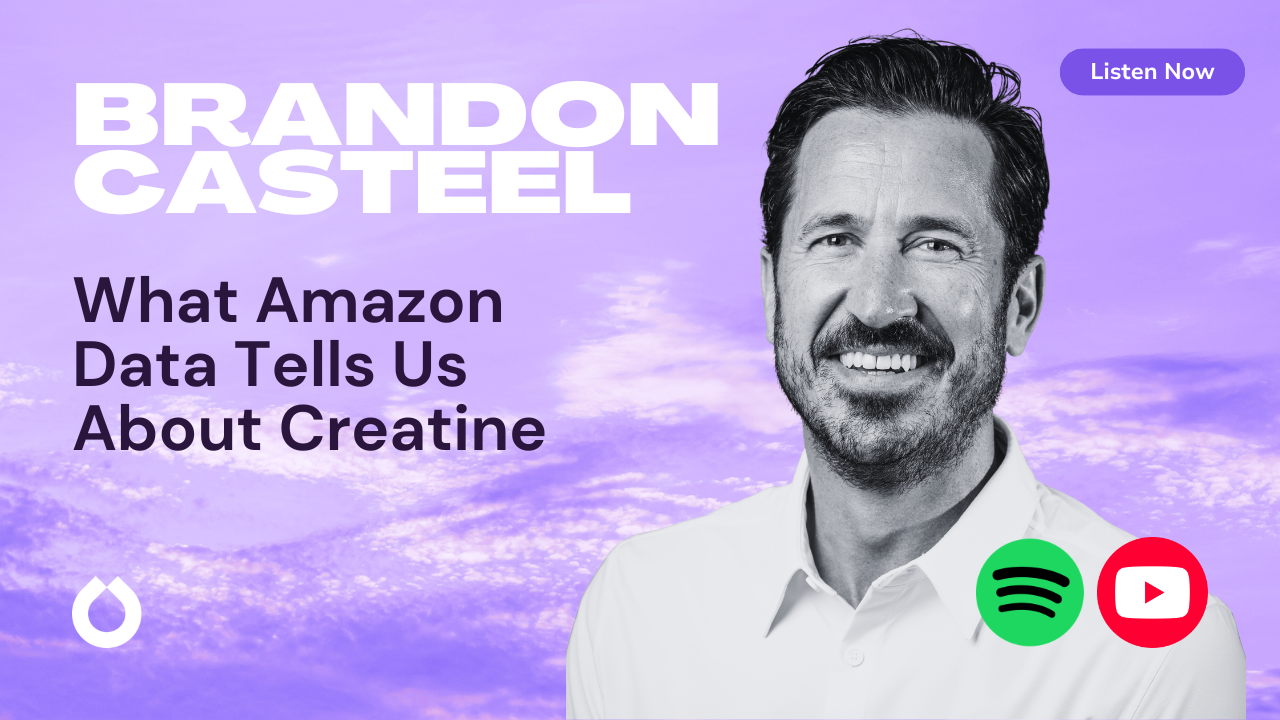
Brandon is the Vice President of Partnerships at Jungle Scout, where he works with ingredient suppliers, co-manufacturers, and brands to identify trends and innovation on Amazon. He's a former collegiate pole vaulter at Texas A&M. A father of five. A man who once held a plank for just under 13 minutes on a company wellness challenge… on video, actually, with his kids and pets wandering around him. And someone who, for about three decades now, has been a creatine user. I had so many questions and learned a lot from our conversation.
He first encountered creatine in the mid-90s through his best friend's track coach at the University of Alabama.
"You have to try this," his friend told him. And the results, as Brandon puts it, were "undeniable"; in muscle mass, strength, and speed.
He fell off it post-college, as many of us do with things that worked when we were 21 and training every day. But then, about seven years ago, working at an organisation that tracked supplement sales in grocery stores, he saw something that really caught his attention: creatine was posting triple-digit year-over-year growth. In standard grocery stores. Not vitamin retailers. Not online. Just ordinary, natural and conventional grocery stores in the United States.
"And I was like, 'Oh yeah, creatine,'" he laughed.
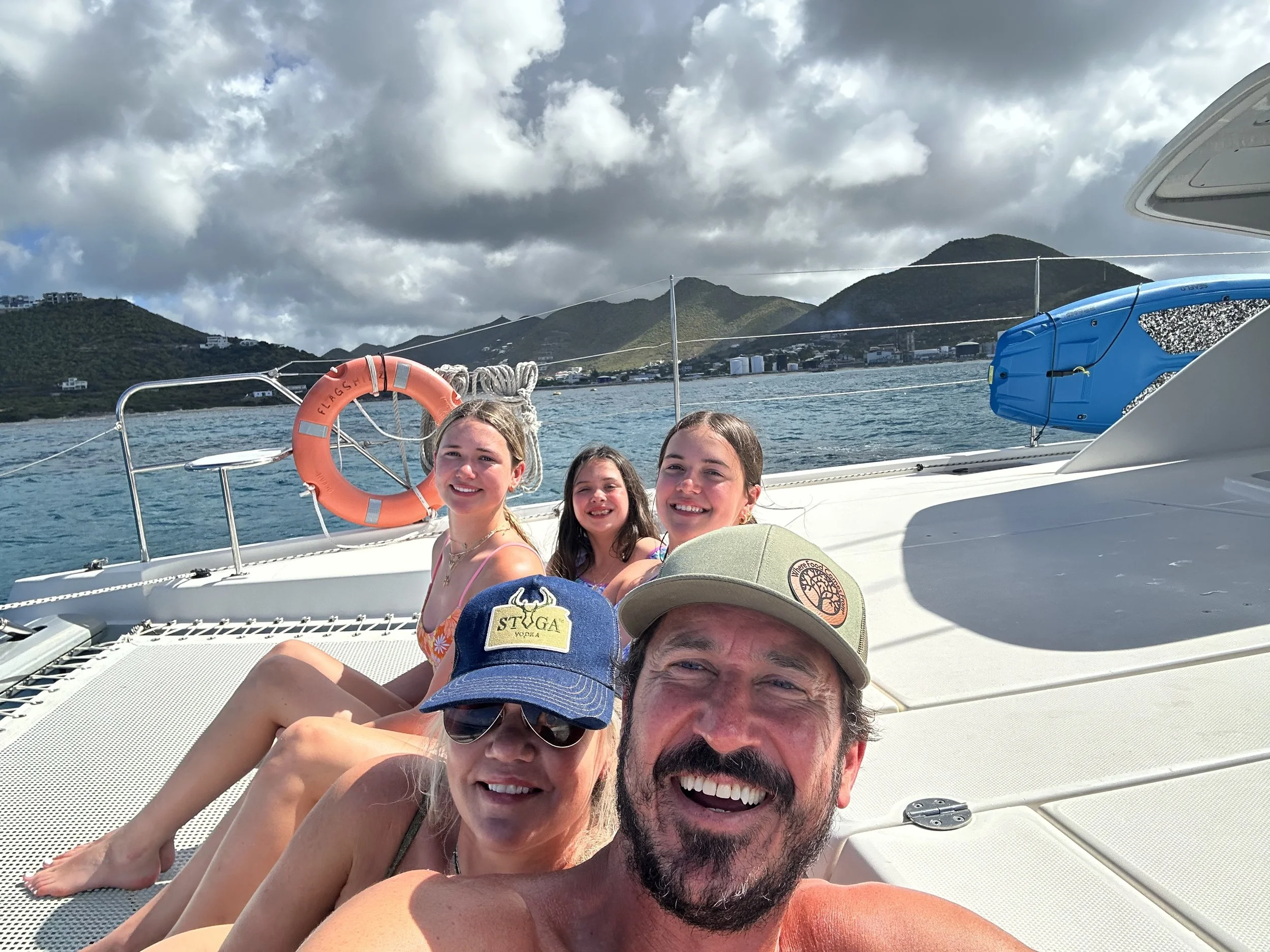
He started supplementing it again and hasn't stopped since. 5 grams of micronised creatine monohydrate, every morning, stirred into his iced coffee along with protein.
I loved that detail (the iced coffee) because it's such a perfect illustration of what we talk about constantly here at Jenerise. The moment a functional ingredient stops feeling like medicine and starts feeling like part of something you already enjoy, that's when it crosses into the mainstream. That's the whole game, really.
Brandon made a point during our conversation that I keep coming back to. He described how Jungle Scout tracks the keyword search behaviour of consumers on Amazon, literally what people are actually typing in when they're looking for products. And when you start seeing terms like "15 grams of protein" appearing in the top search results for wellness bars, that's your signal. That's critical mass. Consumers aren't just passively accepting what brands tell them anymore; they're arriving with a specific functional demand, and they're literally searching for a product to meet it and are ready to buy!
That data then feeds R&D pipelines. It shapes what goes on the front of a label. It tells large CPG organisations what consumers actually want versus what the industry assumes they want. And right now, what they want is creatine… increasingly in formats beyond the tub of powder.
Something else worth noting for anyone buying supplements on Amazon: Brandon was reassuring without being naive about it. Amazon has been building out third-party testing checks and balances for supplements, and the consumer review system creates what he called a circular balance, meaning poor-quality products eventually get found out. It's not perfect. Retest frequency is still a valid concern. But the infrastructure is improving, and as I added, the US and EU already hold powdered creatine monohydrate to 98% purity standards at import. The murkier territory right now is newer formats like creatine gummies, where regulatory standards are still catching up to the speed of market entry.
Beyond the data, though, what I really wanted to explore with Brandon was his personal relationship with fitness because it's striking, and it connects in a really meaningful way to everything we're trying to say with Seizing the Years.
He's been running 15 to 20 miles a week, consistently, for decades. It started with a moment of accountability in his early 20s. He noticed his fitness had slipped, felt it in his body, and immediately signed up for a 5K even though he hadn't been running for years. That one small act of commitment spiralled into multiple marathons across multiple cities.
But it was the story he told me about a nine or ten-mile run in his younger years that really stayed with me. He and his wife were unexpectedly pregnant, unmarried, and facing a decision that felt bigger than either of them. He went out for a long run (no music, no distractions) and came back with total clarity.
"This is something that I think was inevitable and that we wanted to do," he decided. "Let's have this sucker."
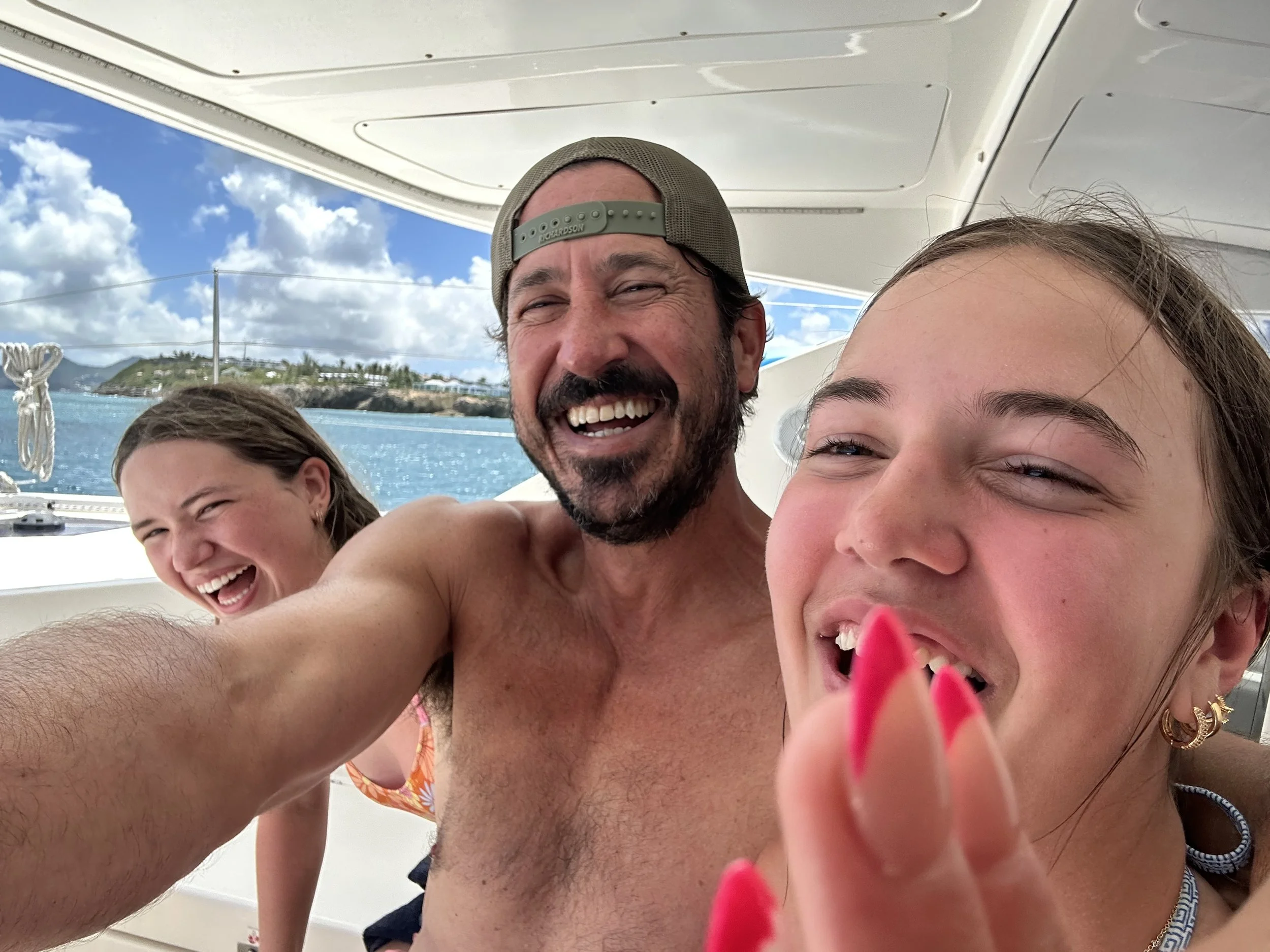
That child is now 23 years old, and Brandon can't imagine a world without him. Four more kids followed. And running has remained, throughout all of it, his safe place… the thing that offers clear thought, the runner's high. Runners know the feeling. And it made me want to get my shoes back out.
There's a broader mindset that runs through everything Brandon said, and it's one I find really compelling in the context of healthy ageing. He called it laying your own landmines, basically the very human tendency to talk yourself out of physical activity before you've even tried it. Running will be too hard on my knees. I couldn't hold a plank for more than two minutes. I'm not the push-up type.
He knows this from his own body. Years ago, he had two ruptured discs and debilitating nerve pain, and that was severe enough that he needed an epidural. A doctor asked how much core work he did and recommended he prioritise it. From that point forward, he did. And then one day, a company wellness challenge dared him to hold a plank to failure. He'd never tried it before. He went just under 13 minutes.
"I never in a million years would have thought that that was possible."
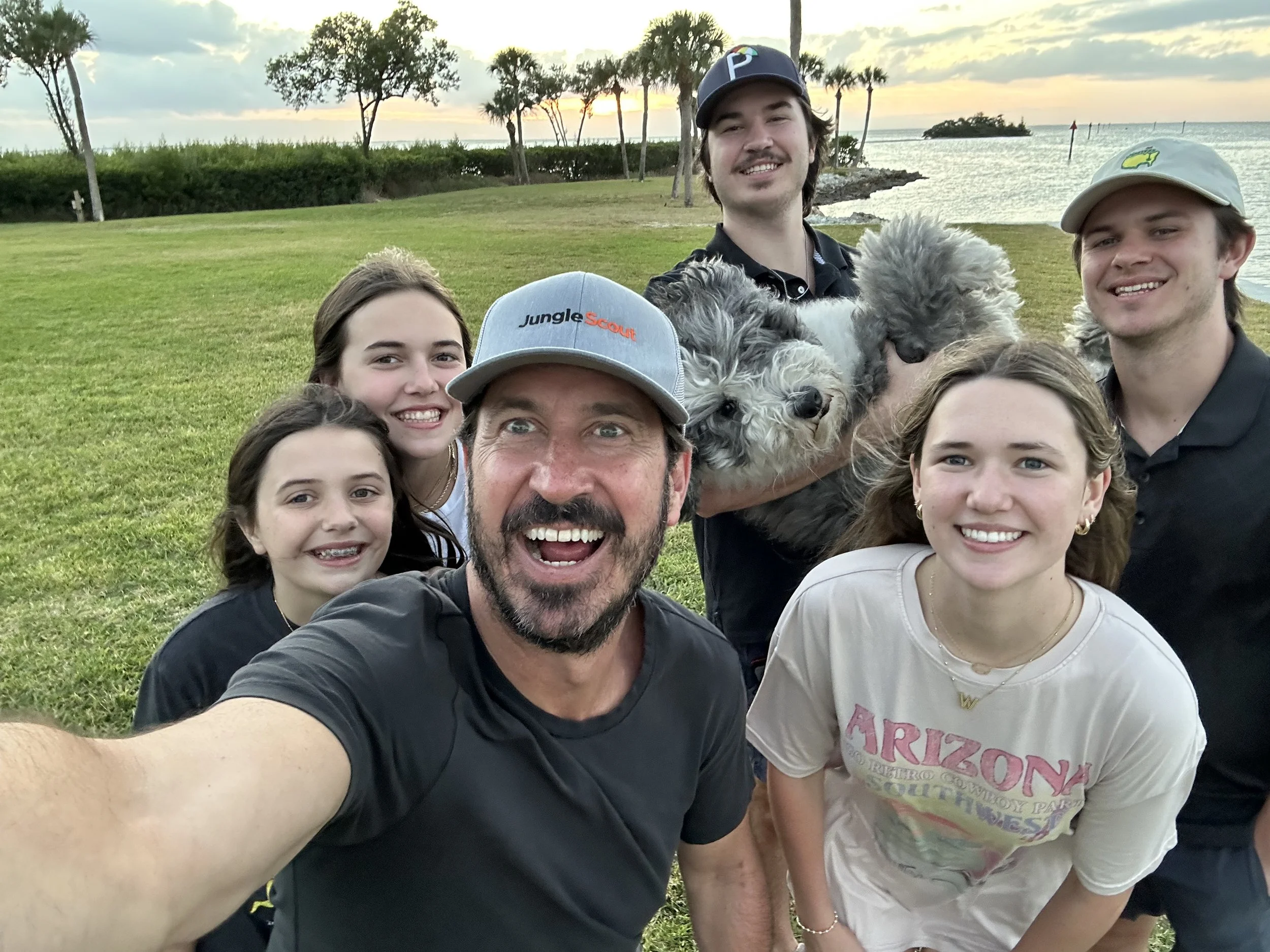
The same went for the push-up challenge at Expo Fit, which, for the record, is how Brandon ended up on my radar in the first place. Someone who attended told him afterwards: "I was not expecting you to be able to do 101 push-ups." His response was basically: that's exactly the point. The paradigm was wrong.
He's a big advocate for organised fitness events for exactly this reason. Not because they're glamorous, but because signing your name to something forces accountability. You prepare. You show up. And once you're at the start line, you move forward. He described a neighbourhood 5K that raises funds for mental health awareness after a neighbour's son tragically took his own life, where 90% of participants don't even run, they just walk it as a show of support. That's community. That's what fitness can be when you zoom out beyond the performance metrics.
The thread that ties all of this together (the running, the creatine, the data, the plank challenge) is longevity. Not the extreme, Brian Johnson biohacker version!!
Brandon wants to watch his grandchildren grow up. He wants to see his great-grandchildren, and he wants them to see him still physically active, still showing up. He described a group of men in their 80s at his local gym who take over the aerobics room twice a week and play rock and roll from the '50s and '60s, and encourage each other and talk smack to each other.
"That is what I want," he said. "I want to be in that place where it's still fun for me."
And then there was the story about his 84-year-old mother. A woman who spent most of her life barely exercising, barely drinking water. Brandon opens her fridge recently and found protein shakes. She explains that her doctor told her she needed to increase her protein intake. Then she mentions her doctor talked to her about creatine. Then (unprompted by Brandon, completely of her own accord) she tells him she drinks alkalised electrolyte water every morning and evening now, from her local wholesale club, because her doctor mentioned it.
It's such a small story and somehow one of the most hopeful things I've heard in a long time. The medical community, social media done well, the people around us… They're all starting to pull in the same direction. And the data from Jungle Scout confirms it isn't a bubble. It's a genuine, measurable cultural shift toward functional ingredients across the lifespan.
Creatine included. Especially creatine.
Thank you, Brandon, for sharing your story and your data.
If you'd like to be featured or know someone who should be, email rachael@jenerise.com
We all rise together,
Rachael Jennings | Co-Founder + CBO, Jenerise