Creatine and Mental Health: Mechanisms, Clinical Evidence, and Emerging Therapeutic Potential
By Blaise Collins, PhD, ACSM-EP-C | Monthly Blog Contributor, Jenerise | Medical & Scientific Director | Neurology, Oncology, Hematology | Exercise Physiologist
Creatine monohydrate has traditionally been associated with exercise performance and muscle energetics, but increasing evidence suggests that creatine may also influence psychiatric and cognitive outcomes. Interest in creatine for mental health stems from its central role in cerebral energy metabolism, mitochondrial function, neurotransmission, and neuroprotection. Although the evidence remains preliminary, several clinical trials, particularly in depression, have shown promising results.
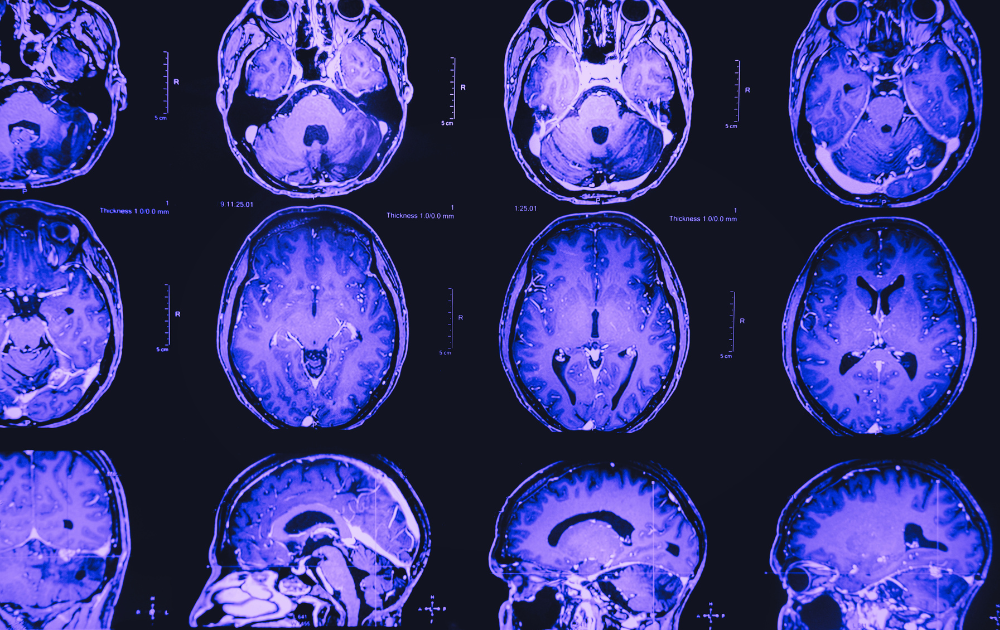
Neuroimaging studies have repeatedly demonstrated abnormalities in brain bioenergetics in psychiatric disorders, particularly in major depressive disorder (MDD), bipolar disorder, schizophrenia, and post-traumatic stress disorder (PTSD). Reduced phosphocreatine concentrations, mitochondrial dysfunction, impaired oxidative phosphorylation, and altered adenosine triphosphate (ATP) turnover have all been implicated in psychiatric pathophysiology.
Some of the proposed mechanisms of action include:
Attenuation of metabolism within the brain via the phosphocreatine (PCr) cycle, potentially improving resilience during metabolic stress
Reduction in mitochondrial dysfunction through stabilization of mitochondrial membranes, reduced oxidative stress, and improved ATP generation
Modulation of neurotransmitters, with evidence of creatine having indirect influence across serotonin, dopamine, and glutamate signaling pathways
Creatine may increase expression of brain-derived neurotrophic factor (BDNF), potentially improving synaptic plasticity
While the mechanisms by which creatine monohydrate may support those with major depressive disorder are still being elucidated, clinical trials have shown creatine to be effective, compared to placebo, when combined with selective serotonin reuptake inhibitors (SSRI) augmentation, as an add-on to cognitive behavioral therapy augmentation, and 5-HTP2. Creatine has inconclusive data in bipolar depression, and is being investigated in schizophrenia, PTSD, anxiety disorders, and Alzheimer’s disease.
The strongest evidence for creatine in mental health currently exists for adjunctive treatment of major depressive disorder, with doses ranging from 2g to 10g a day, and improving scores on several inventories. Results suggest that creatine may accelerate antidepressant response, improve cognitive behavioral therapy (CBT) outcomes, and improve cerebral bioenergetics. Currently, the data should be contextualized as having relatively small sample sizes, short study periods, heterogenicity in study designs and outcomes, and lack of clarification on the mechanism. Given these findings, creatine does show promise as an add-on treatment to SSRI inhibitors and CBT in depression, but further large-scale double-blind trials are needed, and educational materials need to be developed to improve healthcare provider awareness.
We all rise together,
Blaise
Frequently Asked Questions
How does creatine affect the brain?
Creatine is the primary component of the PCr system, which rapidly regenerates ATP, the cell's primary energy currency. In the brain, this buffers neurons against energy deficits during periods of high metabolic demand, potentially improving resilience in conditions where cerebral bioenergetics are compromised.
What is the phosphocreatine system, and why does it matter for mental health?
The PCr system acts as a rapid energy reserve, regenerating ATP within seconds when neurons need it. Neuroimaging studies have found reduced phosphocreatine concentrations in several psychiatric conditions, including MDD, bipolar disorder, and PTSD, suggesting that supporting this system may have therapeutic relevance.
Does creatine affect neurotransmitters?
Evidence suggests creatine has indirect modulatory effects on serotonin, dopamine, and glutamate signalling pathways, though the precise mechanisms are still being investigated. It may also increase expression of BDNF, which plays a role in synaptic plasticity and neuronal health.
What psychiatric conditions is creatine being investigated for beyond depression?
Current research is examining creatine's potential role in bipolar disorder, schizophrenia, PTSD, anxiety disorders, and Alzheimer's disease. The evidence base is most developed for major depressive disorder, where it has been studied as an adjunct to both SSRIs and CBT.
What does the current evidence base look like for creatine in psychiatry?
The existing trials are promising, but limited by small sample sizes, short study durations, heterogeneity in design and outcome measures, and incomplete mechanistic understanding. Larger double-blind trials are needed before creatine can be considered an established adjunctive treatment in psychiatry.
References
Han ES, et al. The role of brain creatine in behavioral health conditions. Front Psychol, 2025.
Fares BJF, et al. The effect of creatine monohydrate on mental disorders: A systematic review of randomized controlled trials. Can J Psych, 2026.