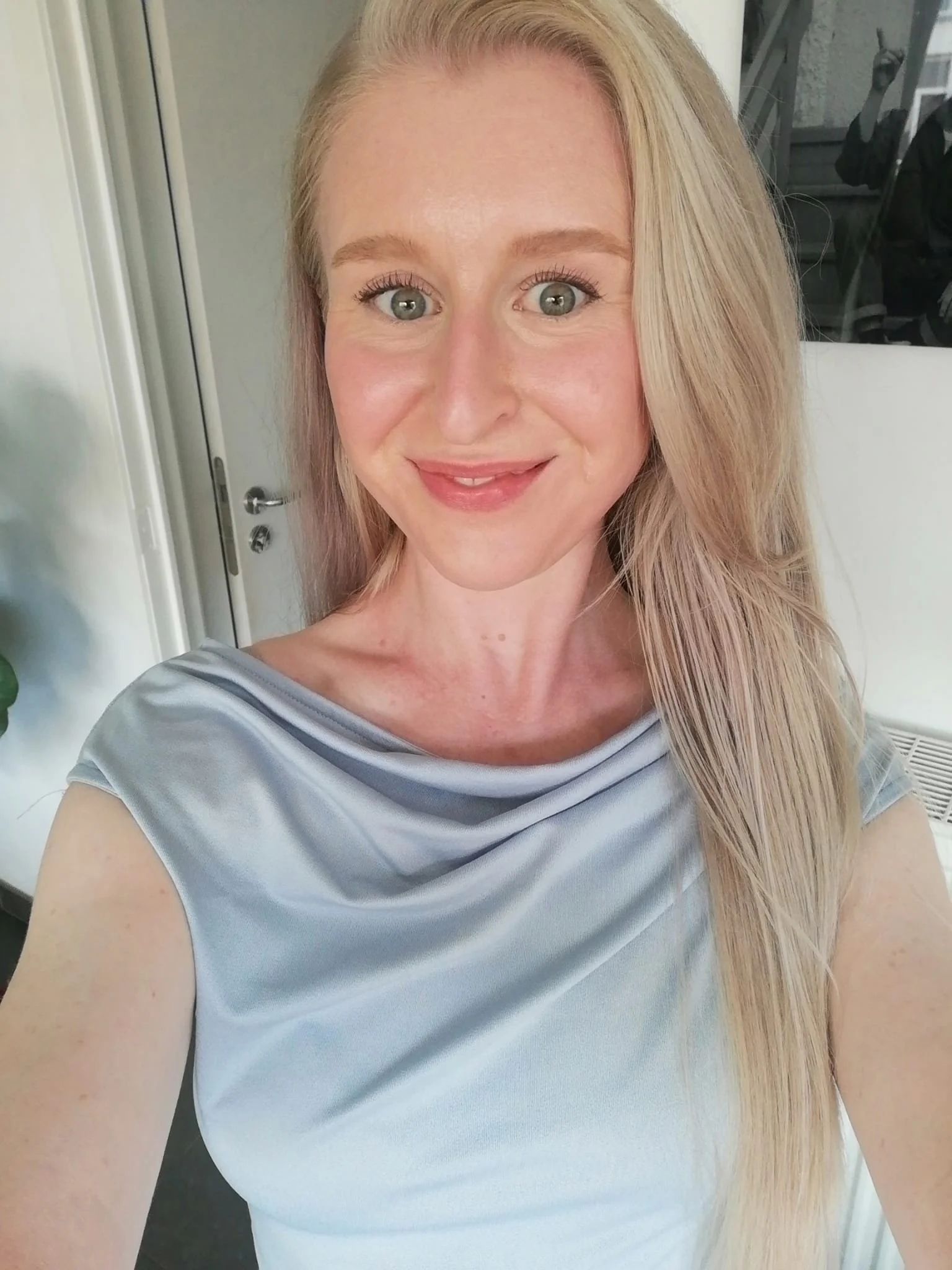
Seizing the Years with James Collier
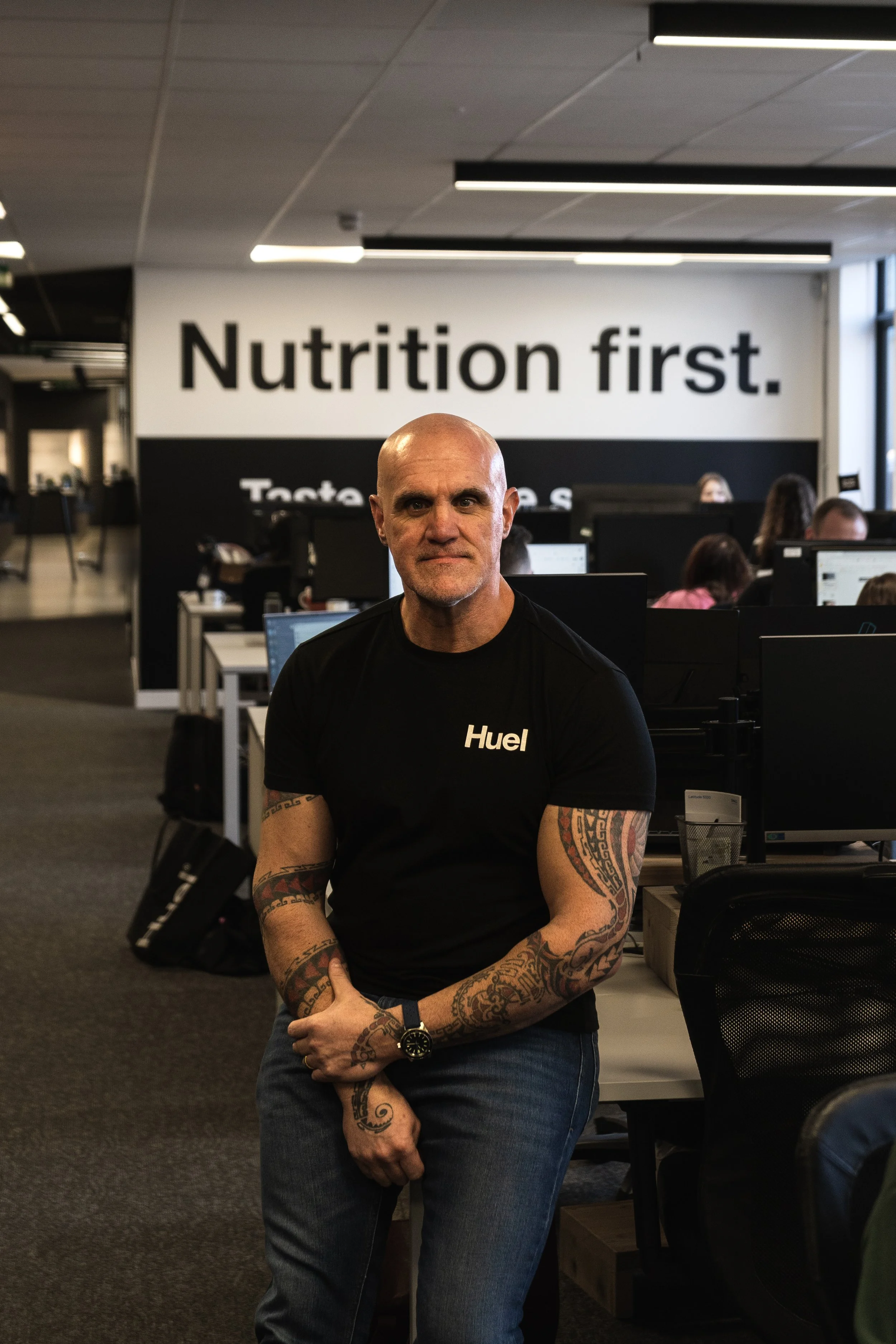
I recently had the pleasure of catching up with James Collier, co-founder of Huel, whose journey has been all about transforming how we approach health, food, and ageing well. In our conversation, James shares valuable insights into the power of nourishing food, stress management, and simple daily habits that contribute to long-term vitality. His approach to energy, longevity, and balance is refreshing and packed with practical wisdom for anyone looking to optimise their health. Here’s our conversation;

Rachael: I’m really excited about our conversation today—especially with your first book coming out soon. And I’ve been so grateful for how closely you’ve followed our journey at Yeu this past year.
James: It’s interesting! Watching how things have shifted with your journey has been fascinating. I enjoy having conversations with your dad—it’s great to bounce ideas off him. I also find myself in this unique position where I get to speak with so many interesting people—business leaders, academics, nutritionists, scientists—and those conversations really keep me curious and engaged.
Rachael: That sounds incredible. It’s like you’ve carved out this special niche.
James: Yeah, what I’ve realised is that I’ve become an expert in not being an expert. I’ve got a broad range of knowledge, but I don’t specialise in one area. That’s kind of cool because it means I can connect with people across different fields and have meaningful conversations.
Rachael: I love that. There’s actually a term for what you’re describing. It’s called being a polymath. Have you heard of it?
James: A polymath? Yeah, I’ve heard the word before but didn’t really understand it in context.
Rachael: It’s essentially someone with expertise or knowledge spanning multiple disciplines. And, honestly, I mean it as a huge compliment!
James: Well, thank you! I’ve also been called a "citizen academic," which kind of fits. It’s someone who understands academia and how it works but doesn’t necessarily do the research themselves. I think that describes me pretty well.
Rachael: That makes sense, and I think that perspective is what enables you to create such accessible content. Sometimes I’ll see one of your posts or reels, and I’ve already come across the original study earlier in the month. But the way you break it down is just so relatable. You bridge that gap in a way that’s invaluable.
James: Thank you. I try to keep things simple. With articles, you can go a bit deeper, but reels are a whole different skill set. You’ve got to get the point across in under 90 seconds—preferably under 60 or even 45 seconds. It’s all about hitting the salient points and keeping people listening. That’s something I’m still refining, but I enjoy the challenge.
Rachael: You’re doing a fantastic job, really. So, let’s dive in. I’d love to hear about how your approach to health has evolved over the years. People see you now as a public figure with a book coming out, but what’s the journey been like leading up to this moment?
James: Let’s rewind to teenage James. Back then, a big motivation for me getting into nutrition was that I was a skinny kid, bullied, and desperate to build muscle. I hit the gym hard—knowledge is power, as they say—so I went to university to study nutrition. I thought, If I understand this stuff, I can do it better.
Rachael: That’s such a relatable starting point.
James: Yeah, but looking back, it was all about size. I ate a fair bit of junk, honestly, and while I trained hard with weights, I wasn’t doing much cardio. There were a couple of times I got into bodybuilding—there’s a lot of cardio involved there—but outside of that, I wasn’t particularly fit. I was bigger than I am now, definitely a lot stronger, but my overall fitness wasn’t great.
Rachael: And how did that evolve over time?
James: As I got older, health started to take more of a front seat. Then, when we launched Huel in 2015, things shifted again. At the time, I knew almost nothing about sustainability. I knew climate change was something we should probably be concerned about, but I didn’t understand the mechanisms behind it. Over the past nine years, I’ve learned so much about sustainability and how it ties into health and nutrition.
Rachael: I’d love to hear about how your health and eating habits have evolved, particularly as you’ve been writing your book.
James: Sure. Around 2018 or 2019, I had to make some real changes. The business was doing well, and I realised if I wanted to stay intellectually honest, I needed to start practising what I preached. A few years earlier, in 2016, I had a serious illness that left me with low mobility for about nine months. The prognosis was good, but it was tough to go through. Coming out of that, I had some depression, partly due to being on opioids for so long. One day, I thought, No more—let’s make a change.
I dropped weight, got leaner, and focused on fitness. I don’t count calories now; I control portions. I just took more pride in what I ate—thinking about food in terms of fitness, longevity, and overall health.
Rachael: That must have been a big shift for you.
James: It was. I went from just knowing what was good for me to actually living it. Protein was always a focus for me, but I started paying more attention to things like fibre, and omega-3s, and eating more fruits and vegetables. Then, in 2019, I made broader changes to my diet. It became less about just my physical and mental health and more about sustainability too. I decided to cut down my animal product intake to around 10% of my calories. That was a conscious decision based on what I’d learned about the impact of intensive animal farming—both from an ecological and ethical perspective.
Rachael: It sounds like it was a transformative period for you.
James: Absolutely. Then the pandemic hit, and I started writing essays about this approach, which I called contemplative nutrition. Those essays eventually became the foundation for my book. Writing it made me even more committed to these principles—I didn’t want to be intellectually dishonest. I needed to live what I was advocating.
Rachael: That makes sense. It sounds like your book is as much about guiding others as it is about sharing your own journey.
James: Exactly. The book addresses physical health, sustainable food systems, and ethics. It’s all interconnected. I’ve found that this approach not only makes me feel healthier but also more energised.
Rachael: That’s the perfect term—being energised—for everything we stand for here.
James: Yeah, exactly.
Rachael: While you were going through this journey, were you keeping an eye on food trends and fads? I feel like there have been so many over the past few years.
James: I don’t love the term food trends. Food isn’t meant to be trendy—it’s just food. That said, meal choices can have a fashionable element, especially since there’s an art to food, and art ties to fashion. I’ve always been aware of trends. Back when I was deeply involved in the bodybuilding world—competing, promoting events, even running a supplement shop—I saw a lot of fads come and go. But I’ve always focused on eating real food and keeping things simple. That hasn’t changed much.
Rachael: I remember one of your blog posts about misinformation in social media and how it impacts people’s food choices. I think a lot of people, especially younger generations, are influenced by whatever diet or food trend is going viral at the time. I’ve been guilty of that too. Over the last three years, though, I’ve shifted to a more balanced, sustainable approach—nothing restrictive, just consistent.
James: That’s a great place to be. There’s so much noise out there about what’s good and what’s bad. It’s overwhelming.
Rachael: How do you plan for your book to cut through that noise and provide clarity?
James: WellFed addresses this head-on. There’s a whole chapter dedicated to misinformation. The book is divided into three parts. Part one explores the core problems—what we’re trying to solve and why. I look at how marketing, neuroscience, endocrinology, and other factors drive our food choices. One chapter focuses specifically on misinformation—what it is, why it’s a problem, and how to spot it. It’s not just about saying, These people are wrong. It’s about understanding the broader context and the consequences of misinformation.
Rachael: That sounds powerful.
James: It’s a nuanced topic. I open the book with a bold statement: The food system isn’t broken. That might upset some people, but it’s an important perspective. If you compare our modern food system to what existed in the Middle Ages or during hunter-gatherer times, you’ll see how far we’ve come. That doesn’t mean it’s perfect—it needs significant improvements—but calling it “broken” oversimplifies things. To fix something, you need to know what good looks like, even if it’s a utopian ideal. The point is to strive for better, even if we never fully achieve perfection.
Rachael: So, the book is about inspiring change while acknowledging the progress we’ve made?
James: Exactly. I want readers to recognise the challenges in our food system while appreciating its strengths. The book is ultimately for individuals—helping them make better food choices for their health and the environment. I lay out five key pillars in part two, and each chapter ends with actionable takeaways. The final chapter consolidates these points into practical steps anyone can take.
Rachael: That’s such a helpful approach.
James: One quote I’ve included in the book is: A diet isn’t sustainable if it can’t sustain the individual. You can’t help others or make a positive impact if you’re not healthy yourself. I also share a story about a girl named “Hannah”—loosely inspired by real events—to illustrate this. She tried to go vegan after being inspired by Greta Thunberg but didn’t do it properly. It impacted her health significantly. The message is simple: whatever diet you choose, you have to do it well.
Rachael: That’s such an important reminder.
James: It really is. Nutrition science isn’t rocket science. Most people know the basics—eat less junk, eat more vegetables. Sure, marketing claims and misinformation make it confusing, but sticking to the fundamentals will get you far. If I had to sum up WellFed in one sentence, it’s this: It’s a food and nutrition book about complexity—helping people move away from black-and-white thinking to make informed, sustainable choices for themselves and the planet.
Rachael: Something I kept coming back to as I prepared for tonight was the idea of mental clarity and nutrition. What’s your take on that? I’m not just talking about the obvious stuff like sugar giving you brain fog or too much caffeine affecting your mental state. What have you discovered about this, and what’s worth sharing?
James: That’s a great topic. Mental clarity and nutrition fall under what I call the second pillar of my contemplative nutrition strategy. It’s about how what we eat affects our mental health, separate from physical health, though there’s some overlap. It’s funny—only in the past couple of decades have people really started paying attention to how food impacts cognition and mental well-being.
Rachael: Right, and it’s kind of surprising it’s taken that long.
James: Exactly. And it’s so obvious, right? I mean, even that term “hangry”—it’s a bit annoying, but there’s truth to it. Hunger affects your mental state. When you’re craving something, it’s not just physical; it can distract you, take over your thoughts, and make you feel irritable. Some people experience this more intensely than others, which is where things like “food noise” come in.
Rachael: Food noise—like constant thoughts about food?
James: Exactly. That’s why managing things like sugar is so important. A sugar slump can seriously drag you down mentally, not to mention the fatigue people feel after meals—what we call postprandial fatigue. Then there’s caffeine, which can help with focus in moderation, but if you overdo it, it messes with your sleep and clarity.
Omega-3 fatty acids are another big one. Fish-based omega-3s, like DHA, have been linked to cognitive benefits. There’s even research suggesting EPA supplementation can help with cognition in older adults. If you’re not into fish, you can go for algae-based supplements, or plant sources like chia, flaxseed, and walnuts.
Rachael: So the classic “eat more fish” advice isn’t wrong, then.
James: Not at all, but everyone’s different. For some, skipping breakfast and intermittent fasting works wonders for mental clarity. I’ve been doing it for three years—training in the morning without eating, then having my first meal a few hours later, and it’s great for me. But for others, skipping breakfast might leave them feeling sluggish. It really depends on your lifestyle and what your body needs.
Rachael: That makes sense. So what about how we eat? I imagine that matters too, right?
James: Oh, it absolutely does. Most of us know it’s good to eat slowly and mindfully. But beyond that, it’s about who you eat with and the environment you’re eating in.
Rachael: Interesting. Are you saying social settings influence our food choices?
James: They do! There’s research showing that our family and friends affect what we eat, whether we realise it or not. But eating together also has deeper benefits. It’s a time to connect, share stories, and bond. That connection has real mental health benefits.
There’s something called the Roseto Effect, which I covered in a video on my socials a few months back. It showed that communities who ate together had better health outcomes, even stronger than food choices alone.
Rachael: That’s fascinating—I’ll have to check out the video.
James: Definitely do. It’s in my book as well. It’s not just about the act of eating together but the synchrony it creates. For instance, there’s research by Robin Dunbar—he’s the guy behind the Dunbar Number—showing that synchronised activities, like rowing or eating, can release oxytocin and endorphins.
Rachael: So eating together could actually improve our mood?
James: Yes! Now, it’s not like you have to literally chew in unison with everyone at the table—that would be weird—but there’s something about sharing the meal, starting and finishing around the same time, that has positive effects. Even preparing food together as a group can strengthen those bonds.
Rachael: That’s so aligned with your work around longevity and healthy ageing. Loneliness is such a huge factor in poor health outcomes as we age.
James: Exactly. Being isolated, especially later in life, takes a toll on mental and physical health. Picture someone spending the last 20 or 30 years of their life eating every single meal alone—it’s heartbreaking.
Rachael: It really is. My husband was away for work last week, and I had to eat dinner alone for four days. I missed him, and the food didn’t even taste as good.
James: That’s such a relatable example, and it illustrates the point perfectly. Humans are social creatures. Eating in a community isn’t just about nourishment; it’s about connection. And that connection is as vital to our well-being as the food itself.
Rachael: When it comes to healthy ageing, how much of your research focuses on the long-term view?
James: That’s such an interesting area because “longevity” can mean different things. I started thinking seriously about this when I was in my late 40s. I’m 52 now, and it’s been part of my broader approach to making more conscious lifestyle changes.
Longevity, for me, is multifaceted. It’s about staying physically capable—being able to move, stay active, and avoid disabilities or diseases like heart disease and diabetes. Then there’s the cellular side of ageing, which is fascinating, though it’s not my main expertise. My focus is more about maintaining health and vitality over time, being able to do the things you love even in your later years.
Rachael: So it’s about quality of life, not just length of life?
James: Exactly. When I think about being in my 80s, I want to still be strong enough to pick up a small child. For me, that’s a marker of ageing well. It’s about having the energy and strength to engage with life.
Rachael: Right, I think being able to make new memories and go on new adventures in your 80s must be amazing.
James: And achieving it comes back to making smart, sustainable choices: eating well, staying active, getting enough sleep, and managing stress. Now, I always feel a bit hypocritical when I say “try not to stress” because it’s such a common piece of advice, and frankly, it’s unhelpful on its own.
Rachael: Right, no one wants to be stressed.
James: Exactly. What’s more practical is to have strategies for managing it. Everyone’s different, so the key is figuring out what works for you.
Rachael: That’s come up in other conversations I’ve had too. For example, Stephen Moon shared his personal stress toolkit—a list of things he turns to when he’s feeling overwhelmed. It’s a great concept because stress management isn’t one-size-fits-all.
You often hear generic advice like “go for a walk” or “read a book.” But if walking isn’t your thing or reading feels like a chore, that advice falls flat. It’s better to identify three to five specific activities that you enjoy and can easily access when you need them.
James: Exactly. For me, one of those go-tos is comedy. A bit of Jimmy Carr or Frank Skinner on YouTube instantly lightens my mood. Exercise also helps—it’s part of my daily routine, but it does leave me feeling less stressed afterwards. And if I’m really wound up, a walk can clear my head.
Rachael: Those are great examples. Anything else in your toolkit?
James: Venting is a big one. Sometimes I’ll sit down with my wife or a close friend and just talk things out. Not shouting or ranting, but articulating what’s bothering me in a calm way. Even if the problem doesn’t go away, it feels lighter just from putting it into words and having someone listen.
Rachael: That’s such a healthy approach. And it ties back to what we talked about earlier—loneliness. Having someone to share with is so important.
James: Exactly. It’s all connected. Loneliness can compound stress, but having someone to talk to helps make problems feel manageable. It’s a reminder that ageing well isn’t just about your body—it’s about your relationships, your mindset, and your overall environment.
Rachael: So what’s the key message you hope people take away from your book?
James: If I had to sum it up, it’s this: I want people to pause and think a little more about their food choices. That’s the main thing. Primarily, I want them to think about their own health—what they’re eating and how it impacts them. But beyond that, I’d love for people to consider if their choices have an environmental impact or if there are ethical concerns involved.
Rachael: That’s a powerful approach.
James: It’s not about obsessing over every meal. I’m not saying every single bite has to pass a checklist. But on the whole, just having a general awareness of how your eating habits affect not just you, but the world around you—humans, animals, ecosystems—that’s what I want people to take away.
Rachael: You mention mindfulness in your book. Is that the same as mindful eating?
James: It’s similar but not exactly the same. What I talk about is what I call contemplative eating. It includes mindful eating, like being aware of hunger signals and thinking about how food makes you feel. But it’s bigger than that. It’s about thinking holistically—how your choices impact humans and non-humans, the whole system. I want people to embrace the complexity of the food system and not blame others.
Rachael: That’s a great message. It feels grounded and practical. But was writing this book always a goal for you?
James: Not really, no. I’ve always enjoyed writing articles, though. That’s always been my way of getting into a flow state. Writing helps me make sure I’m being intellectually honest—forcing myself to really think things through. But turning that into a book? That only became a goal over the last five years.
Rachael: What made you decide to take the leap?
James: I think it was realising that writing is one thing, but publishing is another. Publishing opens you up to criticism, which keeps you sharp. You don’t want to look like a fool, right? So, I thought, “If I’m going to do this, I’ve got to get it out there.”
Rachael: That’s so true. And I guess sharing parts of your work through your Substack must have helped too?
James: Definitely. Writing a book is such a long process—there’s no immediate feedback. But by putting out essays, I get these small wins along the way. It keeps me motivated and gives me a sense of what resonates with people. Some of those Substack essays will even evolve into parts of future books.
Rachael: Future books? So you’re already planning more?
James: Oh yeah, I’ve got three more ideas in my head right now! I’ve actually started working on two of them already. Writing those Substack essays is part of the process. They’re like testing grounds for ideas that might end up in the next book.
Rachael: That’s such a smart way to do it. And I love that you’re not stopping here. It’s inspiring, especially for people like me who might be feeling the pressure to achieve everything at once.
James: Exactly. Life doesn’t have to be about cramming everything into one decade. I’ve been lucky to hit different goals at different times. Writing this book wasn’t even on my radar 10 years ago, but here I am at 52, and now it’s done. Who knows where I’ll be in another 10 or 15 years?
Rachael: It’s such a great perspective. And James, thank you so much for this. I think you can be really proud of what you’ve accomplished, not just with the book but with the way you’re inspiring others.
James: Thanks, Rachael. That means a lot. It’s been great talking to you.
Thank you so much, James, for sharing your story with us!
If you would like to be featured or know someone who would be great to feature, please don’t hesitate to email rachael@jenerise.com 😊
We all rise together,
Rachael Jennings | Co-Founder + CBO, Jenerise