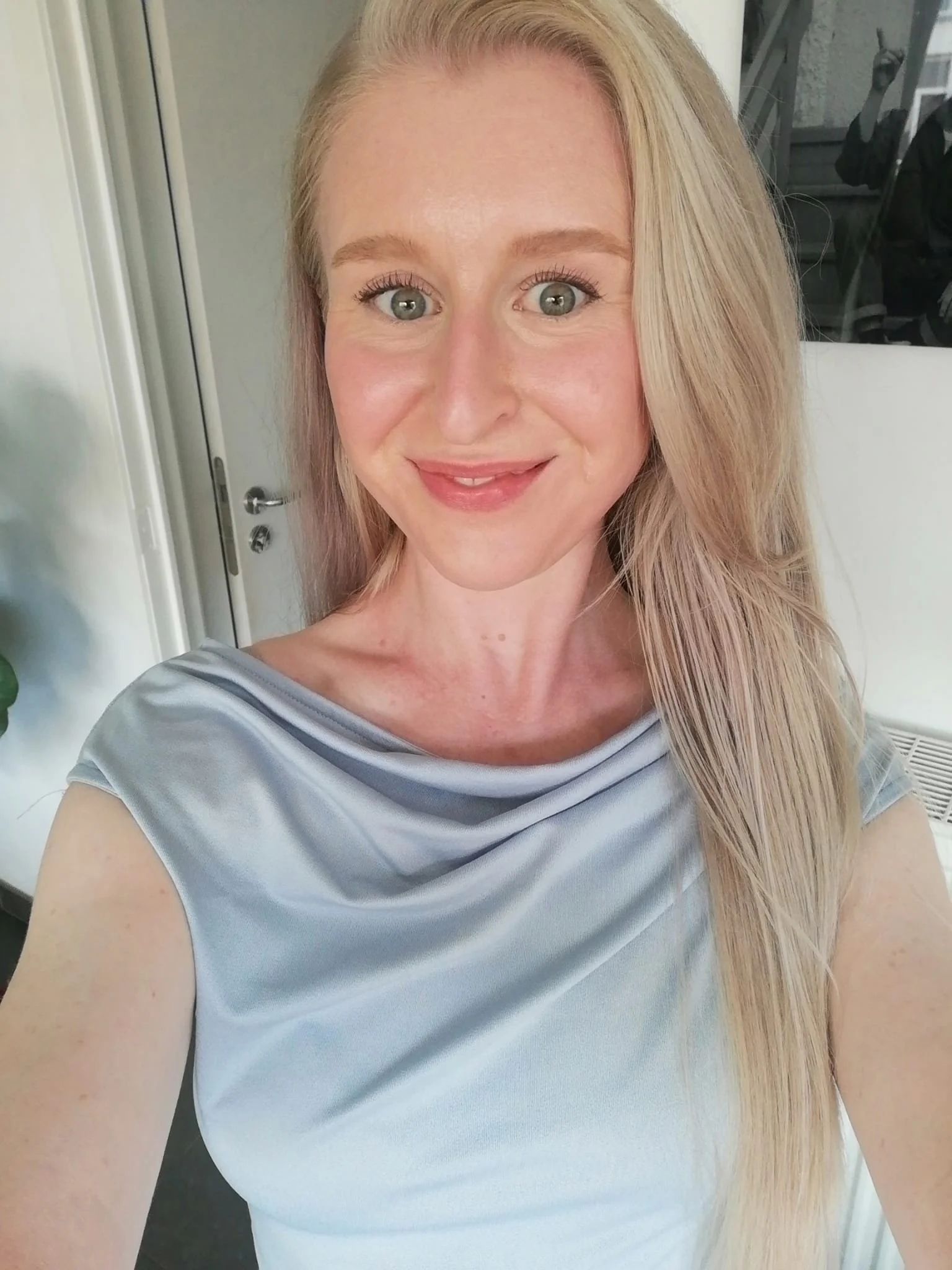
Seizing the Years with Mark Cameron

I recently had the pleasure of catching up with Mark Cameron whose journey has evolved from competitive bodybuilding to fell running, with a focus on long-term health. In our conversation, Mark shares key insights on energy, motivation, recovery, and the impact of social media, offering valuable advice on approaching fitness for the long haul. Here’s our inspiring chat, filled with practical wisdom for living well.
Rachael: Mark, before our call, I was catching up on your Instagram to see what your latest fell running events have been like. It made me think about how much your approach to fitness has evolved over the years—especially considering you used to be a bodybuilder. Fitness has clearly been a huge part of your life, and it seems like your focus has shifted from performance to long-term health. How has your approach to staying energised and living well for the long term changed as you’ve moved away from bodybuilding?
Mark: That’s a good observation. I’ve shifted my focus from being fast and strong—chasing those performance outcomes and comparing myself to others—to prioritising health and fitness. Back in my bodybuilding days, I was at the top of my game, performing at a high level, but I wasn’t truly healthy. Internally, I was a mess—physically and mentally. Now, I focus on what will keep me healthy and energised over the long haul, instead of just chasing metrics and performance.
Rachael: That’s a big shift. In your book Diary of an Average Runner, you document the highs and lows of maintaining a consistent fitness routine. What lessons have you learned about staying motivated for the long haul, especially when it comes to energy and longevity?
Mark: The biggest lesson? It’s all about fueling and recovery. The training itself breaks you down—if you don’t give your body what it needs to rebuild, the training can actually do more harm than good. As we age, recovery becomes even more crucial. We don’t bounce back as quickly, so more rest is necessary.
Motivation for me is simpler than people realise: If you don’t stay fit, you’ll struggle as you get older. You work hard all your life, including saving for retirement, but if you’re unhealthy, it makes it impossible to enjoy those years. That’s my motivation right there.
Rachael: That’s a really long-term way of looking at things. Speaking of motivations, let’s talk about social media and how it affects people’s approach to fitness. We see so many people focusing on metrics and comparisons, but how do you see the relationship between social media and our fitness goals?
Mark: I think people are far more concerned about how quickly they can post something and how many likes they’ll get than actually being satisfied with accomplishing the thing itself. To me, that’s just silly. The performative side of social media messes with people’s mental health. When someone's life seems perfect online, it can make others feel anxious or inadequate, but remember, it’s all just a curated highlight reel.
Rachael: That’s so true. In our community, we’ve adopted a slogan: "Moments over metrics." It’s about valuing real, authentic experiences rather than obsessing over numbers or how we appear to others.
Mark: I love that. For me, social media is more like a scrapbook. When I wrote my book, I used posts as a way to look back on good memories. It wasn’t about likes or comments—it was about remembering the experience. My wife and I even have a Google Home screen that rotates through our photos. Before bed, she’ll glance at it and say, “Do you remember this day?” There are no likes or stats—just memories. That’s what social media should be: a personal space to remember the good times.
Basically do it for yourself, don’t worry what others think. For example, I really didn’t care if anyone liked my book, I did it for personal development and the enjoyment of creating something, someone I know noticed it on Amazon and then announced it to others, and then it took off. As you can see from the number of reviews it was very successful, but I’ll never do another one, I’m not an author, and never wanted to be, it simply served a purpose at a time in my life when I needed one.
Rachael: That sounds like a much healthier way to approach it. A lot of people in our community have been experimenting with leaving their devices at home while running—no tracking, no Garmin uploads, just being present. It’s a bit of an adjustment, but so many of them have found it freeing.
Mark: That’s a fantastic idea. It’s about doing things for yourself, not for an audience. Accountability is important, but when you’re running just to post it online, you’re doing it for others, not for you. That’s where the boundary needs to be.
Rachael: Speaking of boundaries, you mentioned your bodybuilding days, which of course, drew a lot of focus on the way you looked on the outside. How did that phase of your life shape your relationship with fitness and your overall approach to health?
Mark: Sure. It was a very different time for me. Back then, the internet wasn’t as accessible, and I couldn’t afford to have it at home. I’d sneak time on work dial-up or go to the library, reading everything I could about nutrition and exercise. There was a local bodybuilder, Ian Hendy, who owned a gym, and he was a mentor of sorts. I took what I learned from him and my own research and applied it to myself.
But bodybuilding can take a toll. The diet, the isolation, the intense training—all of it pushed me to the edge. Eventually, it wasn’t just the lifestyle that caught up with me. I had a health scare that nearly ended my life.
Rachael: What happened?
Mark: It started with a scratch on my arm—something so minor you wouldn’t think twice about it. But I was so run-down from the extreme dieting and training that my immune system couldn’t cope. The scratch became infected, and before I knew it, I had septicemia. My arm swelled up, and the pain was unbearable.
I ended up in the hospital, where a doctor told me, “We’ll operate tomorrow, but there’s no guarantee we can save your arm. If it spreads further into your bloodstream, it could kill you.” He explained that the body is a good healer and said, “At this stage, you’ve got nothing to lose. If we can’t fix it, we’ll have to amputate.”
Rachael: That’s horrifying.
Mark: It was. I was lying there, hooked up to an IV, thinking about how I’d gotten myself into this mess. But then I became stubborn. I went to the hospital reception and said, “I want to check myself out.” They told me I couldn’t, and I said, “Yes, I can. Give me the form.” They were shocked, but I signed myself out and went home.
When I got home, my wife was surprised to see me. I told her the doctors said to come back the next day. That night, I jumped into the bath, got some needles, and started draining my arm myself. It wasn’t pleasant, but I figured I had nothing to lose.
That night, while we were sleeping, my wife rolled over and woke up horrified. My arm had drained itself all over the bed. It left a massive hole in my arm, which took nine months to heal. My wife packed and cleaned it every day, and to this day, I’ve got a scar that looks like I’ve been shot.
Rachael: That’s unbelievable. How did your bodybuilding sponsors react to all this?
Mark: The sponsors didn’t care. All they wanted to know was when I’d be competing again. When I did photo shoots, they asked me to hide the scar because “it didn’t look good.” That was the moment I realised I was just a piece of meat to them.
Bodybuilding had started as a way to improve myself, to get healthy, but by that point, I wasn’t healthy at all. It had become about metrics, appearances, and pleasing sponsors. I knew I had gone too far. It was time to get out.
Rachael: That must have been a tough decision, especially since bodybuilding had been such a big part of your life.
Mark: It was, but it was also the right one. I realised I needed to grow up. I was getting married and wanted to focus on my career and health in a new way. Bodybuilding wasn’t going to make me rich or happy.
But I decided to do one last show, just to say goodbye on my terms. Instead of killing myself to get into peak shape, I focused on enjoying the process. My wife and I picked a song that meant a lot to us, Hero by Enrique Iglesias, and I posed to that. It was emotional—I cried on stage because I knew it was the end of a chapter but was also excited by the thought of starting a new chapter, with new opportunities.
After that show, I gave away all my bodybuilding gear, magazines, and supplements to friends. I told them, “You won’t see me again.” And that was it.
Rachael: It’s incredible how something as small as a scratch could lead to such a life-changing realisation. Do you think you needed that moment to move on?
Mark: Absolutely. Sometimes life throws something at you that forces you to re-evaluate. For me, it was septicemia. It was a brutal lesson, but it brought me back to my original goal: being healthy.
Rachael: That’s such a powerful story! It’s a reminder that health is about so much more than appearances.
Mark: Exactly. Health isn’t about how you look on the outside—it’s about how you’re functioning on the inside, both physically and mentally. That’s what I focus on now, and I’m better for it.
Rachael: Speaking with you today, I can’t help but notice the wisdom and balance you exude. I even mentioned to my husband how much I was looking forward to this conversation because of how grounded you’ve become. But it’s so easy to meet someone like you now and assume you’ve always been this way.
Mark:Laughs Oh no, far from it. I think life’s a process of being chipped away at—like a sculptor working on a rock. Over time, you keep uncovering the real person underneath. Sometimes, you chip off a little too much and create an imperfection. But mistakes are part of the process, right? It’s about learning to fix them and continue shaping who you are.
For me, it’s about becoming someone I’m proud to live as, someone my wife is proud of, and most importantly, someone my mum can look at and be proud of.
Rachael: That’s so beautifully put. It’s humbling to hear how much your mom’s role influenced the person you’ve become.
Mark: It didn’t happen overnight, believe me. I made plenty of mistakes when I was younger, and as a single parent, my mom had it tough. I didn’t appreciate that at the time. I gave her a lot of grief, and now that I look back, I realise how much love and sacrifice she poured into me, even when I didn’t see it.
These days, I see her as an angel—not just for me, but for everyone around her. She’s 80 years old and spends her time looking after others. She’s constantly popping over to see the 98-year-old man who lives behind her or checking in on a gentleman named Frank, who’s 100. She doesn’t do it for money or recognition. She just does it because she cares.
Rachael: That’s incredible.
Mark: She has this heart of gold. All that love she’s giving to others, she gave to me when I was growing up—I just didn’t realise it or appreciate it then. Now, one of my biggest goals is to make her proud. That’s part of why I’ve worked so hard to build a good life, have a strong marriage, and take care of her however I can.
Rachael: You mentioned your marriage being another turning point. How did that fit into this refining process?
Mark: It was a big moment of reflection for me. I’d been with Sally for nine years, but I’d always just seen her as my girlfriend, even though we’d lived together for most of that time. It was easy to think, “If this doesn’t work out, we can just walk away.” There wasn’t that deep sense of commitment.
But after nearly a decade together, I realised she deserved more. Marriage, for me, was about stepping up and saying, “You’re not just someone I’m with—you’re my partner for life.”
We got married back in Malta where my Mum is from, which was important to me because it’s a Catholic country. There, if you want a divorce, you have to go to the church. That resonated with me. I wanted our marriage to be something we honoured, not something we could treat as disposable.
Rachael: That’s a powerful decision. It sounds like that commitment was a defining moment for you.

Mark: It really was. Marriage became part of my journey to grow up and take on responsibility—not just for my relationship, but for myself. It’s been another step in becoming the kind of person my mom, my wife, and, most importantly, I can be proud of.
Rachael: How has all of this allowed you to evolve and transition from bodybuilding to running and a more holistic approach to fitness?
Mark: When I was bodybuilding, I focused purely on performance—getting stronger, faster, and bigger. But I didn’t realise how much damage I was doing internally. Now, my focus is on longevity and recovery. I’ve learned that fueling your body well and getting plenty of rest is just as important as the workouts themselves. I’ve seen this even more as I’ve aged—the importance of rest and recovery has only increased. I now make sure to take the time to fuel properly after a workout and ensure I’m getting enough sleep and relaxation to keep my body in top shape.
Rachael: With the lessons learned from bodybuilding and now running, how do you approach your fitness journey differently today, especially as you aim for long-term health and well-being?
Mark: It’s definitely a more balanced approach. I’ve learned that being fast and strong doesn’t necessarily equate to being healthy. I used to compare myself to others a lot, but now I realise that health is about more than just performance. It’s about longevity—being able to move, feel good, and stay energised for life. I also realised that I need to listen to my body. Recovery, nutrition, and rest play huge roles in keeping me fit, and as I get older, I have to adapt my training to avoid injuries and burnout.
Rachael: I’ve seen you talking about the importance of community support in fitness, but you’re also someone who tends to run alone. How do you navigate the balance between personal goals and the social side of fitness?
Mark: I’ve always been more of a solo runner. But I do understand the value of community. While I don’t always run with others, I enjoy connecting with people who share similar values and beliefs when it comes to health and fitness. For me, running alone is my time to clear my head, but I do miss the camaraderie. I think the key is having people who support your journey, whether you run alone or together. Everyone’s fitness journey is personal, but sharing it with others in real life can make it richer.
Rachael: It’s interesting to hear that you’ve found running to be a mental challenge as well as a physical one. How has running helped you develop resilience, and how can others apply that to their own fitness journey?
Mark: Running, especially long distances, has taught me a lot about resilience. If you’re running a long race, like 50 miles, it seems impossible at first. But when you break it down mile by mile, it becomes manageable. There are times when you want to give up, but you have to push through. I think that mindset translates to life. The ability to keep going, even when it’s tough, is a skill that applies to everything. It’s about having that mental fortitude to keep moving forward, whether it’s in a race or in life’s challenges.
Rachael: You've had quite a career and personal journey. For those looking to balance fitness with a demanding career, what advice would you give to young professionals hoping to prioritise their health and well-being?
Mark: It's tough, especially when you’re young and driven. You want to prove yourself, and that often means working long hours. My advice is to focus on your career while you have the energy, but always keep your long-term health goals in mind. Health should be the foundation. Work hard, but also make small adjustments to your lifestyle to stay active. Walk during your commute, stretch when you can, and prioritise sleep. You have to accept that you won’t be able to have it all, immediately, but it’s worth it for the future.
Rachael: That’s a great perspective. And, as someone who’s been on both sides—corporate life and professional fitness—how does running influence your approach to work and life in general?
Mark: I used to see fitness and work as separate entities, but now I realise that being healthy directly impacts my performance at work. If I’m fit, I have more energy, I can think more clearly, and I’m more productive. It’s not just physical; it’s mental as well. I find that some of my best ideas come when I’m out running or hiking. The fresh air, and the lack of distractions—help me clear my mind and come up with solutions that I might not have thought of at a desk.
Rachael: You’ve certainly learned a lot along the way. As you’ve sustained your fitness routine over the years, what advice would you give new runners about building a fitness journey that prioritises healthspan and avoids burnout?
Mark: I’d say don’t force it. Professional athletes train in cycles—they have off-seasons, and they change things up. I’d recommend doing the same. In the winter, I cut back on my running and focus on shorter, speed-based workouts. In the summer, I’ll go longer. It’s about finding a balance and adapting to your body’s needs, especially as you age. If you keep pushing yourself too hard, too often, you’ll risk burnout or injury. Fitness should be something you can enjoy long-term, so make sure you’re taking care of yourself along the way.
Rachael: You’ve mentioned how important it is to take small steps in the right direction. How do you manage your fitness and health even when life gets hectic?
Mark: It’s all about making time, even if it’s just a quick 10-minute walk or a short park run. We often waste time without realising it, and if you want to prioritise your health, you can always find those pockets of time. If you’re feeling low on energy, that’s often a sign you need to move. Get outside, even for a short walk—it’ll help re-energise you. Even on my busiest days, I make it a priority to move, whether it’s a run, a walk, or just stretching. Movement is key to staying healthy and energised.
Rachael: Looking back, how did your early life experiences shape your perspective on health, fitness, and ageing?
Mark: Growing up, I was always inspired by athletes. They were the ones I looked up to. I wanted to be active, not necessarily a professional athlete, but someone who moved and stayed fit. As I got older and started working in an office, I realised that a lot of high achievers in that world were physically unfit. I didn’t want to become that person. That’s when I realised that my health and activity had to be a part of my life, not just a hobby. And now, as I get older, I’m focused on making sure I’m not just working hard, but also staying active, healthy, and engaged.
Rachael: It’s clear that running, and fitness in general, plays a huge role in not just physical health, but also in creating a fulfilling, energetic life. How do you think running, or just moving, can help build a healthier and more connected community as we age?
Mark: I think the key is to focus on movement, not just running. Some people may walk, jog, or hike, and that’s just as important. As we age, we need to keep moving, and it doesn’t matter how fast or far. Just get outside, stretch, walk, or run—anything that gets you moving. I spend 10 minutes stretching every morning, even before my coffee, and then I usually go outside for a walk or run. I also try to keep my brain active, by doing puzzles and reading. Movement and mental exercise are both essential for a long, healthy life. And if we can inspire others to get moving, no matter their pace, we can build a healthier, more connected community.
Rachael: I’ve got a final question for you. What’s the most underrated or simple thing you currently do to stay energised on a daily basis that you plan on doing for as long as possible?
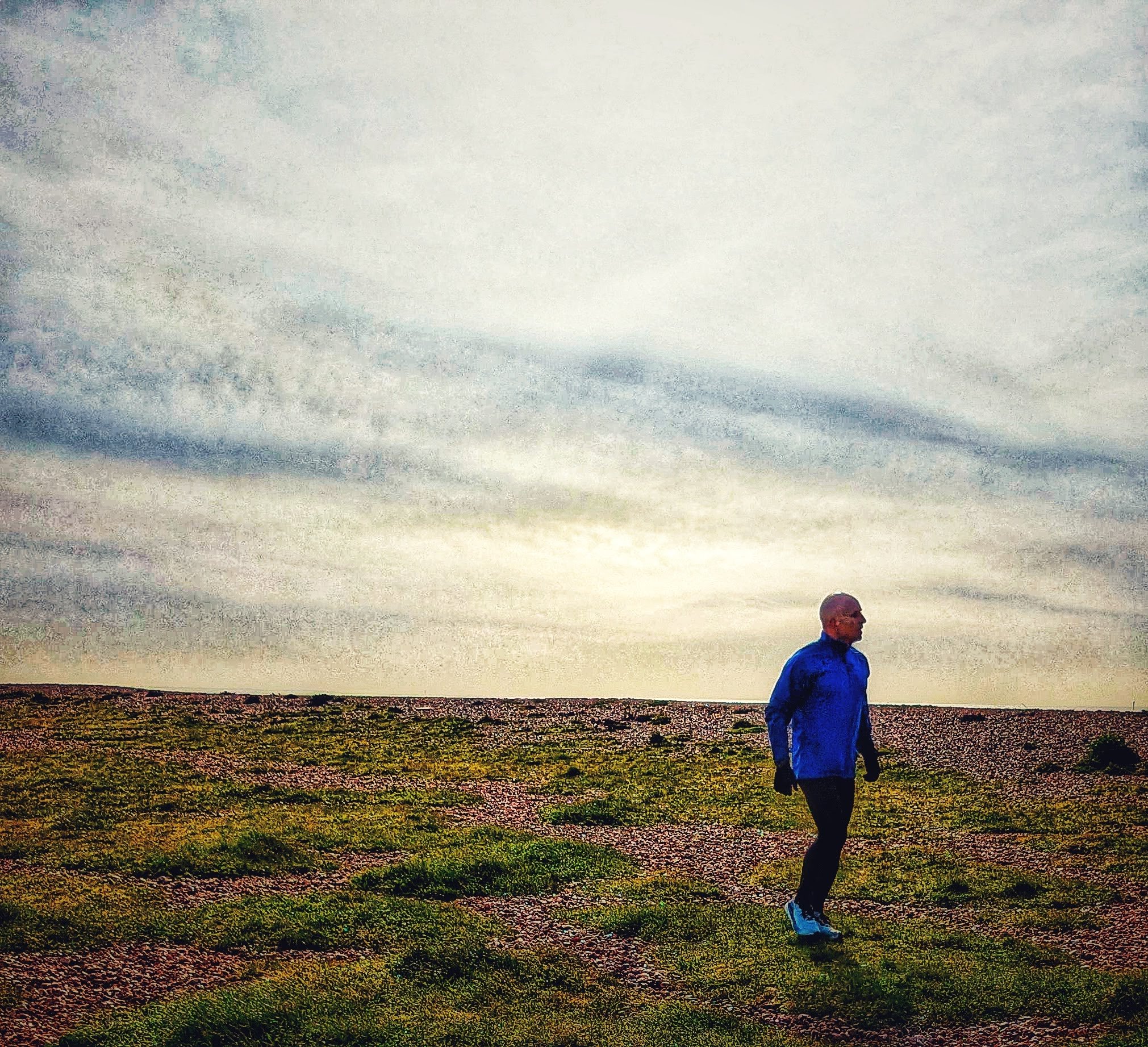
Mark: Sleep.
Rachael: Laughs That’s a good one.
Mark: Yeah, my Garmin tells me I have incredibly high sleep quality. I’m big on sleep.
Rachael: It’s so underrated, isn’t it? People don't really talk about it enough.
Mark: No, it’s key. And I often take an afternoon nap, too.
Rachael: Oh, I love that.
Mark: I’d much rather grab a 20- to 30-minute nap in the afternoon than scroll through Facebook for 20-30 minutes. It’s become a daily habit for me. Even when I’m working from home, I’ll have lunch and then, instead of watching TV for half an hour, I’ll just close my eyes for a bit. I always feel better after that.
Rachael: It’s interesting because people often think that growth happens when you’re in the gym, but actually, you’re growing when you’re resting.
Mark: Exactly! You’re tearing your body apart in the gym. You’re growing when you’re asleep. Your brain’s a muscle, too. So when you nap, you give your brain a break. You let it relax and repair itself from the damage done during the day. You shut your eyes, shut down the distractions, and just let your brain reset. Then you’re better for it afterwards.
Rachael: That’s so true. It’s almost rebellious these days to actually prioritize sleep and rest. People love to brag about how little sleep they get, but they don’t realize the long-term consequences.
Mark: Yeah, the whole “I only sleep four hours and I’m fine” thing? That’s rubbish. I mean, sure, you might think you’re fine in the short term, but let’s see how that works for you in 30 years.
Rachael:Laughs Exactly!
Mark: Look at people like Elon Musk. He’s brilliant, but he’s extreme. And it’s not about being like him. Some people chase wealth, but for me, that’s not the priority. That’s fine if it’s your thing, but I’m not about that.
Rachael: It’s all about finding your own balance, right?
Mark: Exactly. And sleep is the number one thing for that balance.
Rachael: Yeah, and I think that’s such a great way to end this conversation, Mark. You’ve really shown that living a healthy, balanced life isn’t about extremes, but about taking small, intentional steps to prioritise the right things—like sleep, time for yourself, and managing distractions. This has been such a great conversation.
Mark: Thank you, it’s been great. I’m really glad we could talk.
Thank you so much, Mark, for sharing your story with us!
If you would like to be featured or know someone who would be great to feature, please don’t hesitate to email rachael@jenerise.com 😊
We all rise together,
Rachael Jennings | Co-Founder + CBO, Jenerise