
Could Creatine Monohydrate be a Potential Disease-Modifying Therapy in Alzheimer’s?

A quick dive into the history of creatine and brain metabolism.
By Dr Blaise Collins, PhD, ACSM-EP-C | Monthly Blog Contributor, Jenerise | Medical & Scientific Director | Neurology, Oncology, Hematology | Exercise Physiologist
My grandfather succumbed to Alzheimer’s approximately two decades ago, and my uncle is a current Alzheimer’s survivor and clinical trial veteran. As a result, I have always held a passion for research into neurological disorders and neurodegenerative diseases, guiding several projects that led to the launch of Lecanemab.
Lecanemab launched in 2023 and was a massive turning point in Alzheimer’s, as it was the first disease-modifying therapy in a disease state that historically had no treatment options. Since that time, Alzheimer’s disease has reemerged as a top target in clinical research.
The potential links between creatine and Alzheimer’s are not new, as Alzheimer’s is characterized by impaired brain energy metabolism, where mitochondrial dysfunction and impaired phosphocreatine signaling are impaired. To wit, creatine kinase perturbations were noted in the brains of people suffering from Alzheimer’s in the 1980s, with further clarification of the pathways occurring in the 1990s, and a seminal study showing a single 20g bolus of creatine resulting in elevations in brain creatine for up to 8 hours. The 2000s and 2010s saw increased emphasis on creatine, providing increased clarification around the role of creatine in periods of metabolic stress (poor sleep, chronic cognitive loads), disease, and illness.
Since the launch of Lecanemab, the potential for creatine as a therapeutic has again become a molecule of interest. Within the framework of Alzheimer’s, research into creatine has provided details around reduced creatine activity, altered regulation of brain creatine, reduced brain creatine levels, impaired glucose metabolism, reduced brain blood flow, and compromised oxygen utilization. Creatine has also shown a potential neuroprotective effect against the toxicity associated with amyloid beta aggregation.
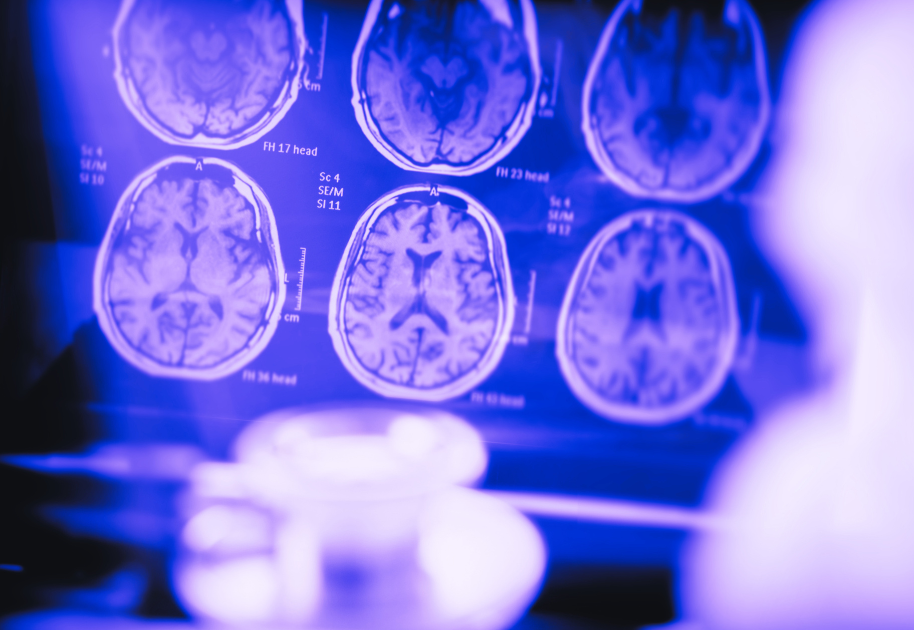
Despite the mechanistic overlap, creatine has not been effectively assessed in human trials as a direct therapeutic in Alzheimer’s, with the exception of the CABA trial (NCT05383833). The CABA trial followed 20 patients with Alzheimer’s for 8 weeks, with a daily dose of 20 grams of creatine monohydrate. Approximately 95% of the patients maintained the dosing schedule, with zero withdrawals and minimal adverse events. Serum creatine increased significantly at 4 weeks and at 8 weeks, with elevations of brain creatine confirmed with proton magnetic resonance spectroscopy.
But the key finding?
These patients living with Alzheimer’s demonstrated improved cognitive performance after creatine supplementation. Working memory, oral reading recognition, and inhibitory control were all significantly improved.
Creatine monohydrate has been linked to brain bioenergetics for close to half a century, and the recent data in Alzheimer’s demonstrate a potentially clinically impactful stepping stone in modifying the disease… and that’s without including exercise in the treatment algorithm. Future studies should include more diverse patient populations, stratified around stage of disease and exercise habits, and need to emphasize both the preventative effects of creatine as well as the disease-modifying aspects of the molecule.
We all rise together,
Blaise
Medical Disclaimer: The information provided in this article is for educational and informational purposes only and does not constitute medical advice. It is not intended to be a substitute for professional medical advice, diagnosis, or treatment. Always seek the advice of your physician or other qualified healthcare provider with any questions you may have regarding a medical condition.
More articles by Dr Blaise


Frequently asked questions
If creatine increases brain creatine levels, why hasn’t it been studied more extensively in Alzheimer’s?
One of the biggest challenges in Alzheimer's research has been demonstrating that a therapeutic can successfully reach and alter brain biology. While creatine has been studied for decades in muscle physiology and sports nutrition, researchers historically questioned whether oral supplementation could meaningfully increase brain creatine levels in older adults and people with neurodegenerative diseases. Recent advances in neuroimaging, particularly proton magnetic resonance spectroscopy, have now confirmed that oral creatine supplementation can increase brain creatine concentrations in people living with Alzheimer's disease, helping renew interest in creatine as a potential therapeutic strategy
Could exercise and creatine work better together than either intervention alone?
This may be one of the most important unanswered questions in the field. Exercise is consistently associated with improved cerebral blood flow, enhanced mitochondrial function, greater neuroplasticity, and reduced risk of cognitive decline. Creatine supports many of these same bioenergetic pathways. Despite this overlap, most Alzheimer's research has evaluated exercise and creatine separately. Future clinical trials should investigate whether combining structured exercise programs with creatine supplementation produces additive or synergistic effects on cognitive performance and disease progression.
Could creatine be more effective before Alzheimer’s symptoms appear?
Alzheimer's disease develops over decades, with impaired glucose metabolism, mitochondrial dysfunction, and reduced cerebral energy production occurring long before noticeable cognitive decline. Because creatine supports cellular energy metabolism rather than directly targeting amyloid plaques or tau tangles, some researchers believe its greatest benefit may occur during the earliest stages of disease, or even before symptoms develop. Future studies will need to determine whether creatine is most effective as a preventative intervention, an early-stage treatment, or an adjunctive therapy throughout disease progression.
Further reading and references
LEQEMBI (lecanemab-irmb) prescribing information. FDA, 2023.
Dechent P, et al. Increase of total creatine in human brain after oral supplementation of creatine monohydrate. Am J Physiol, 1999.
Candow D, et al. Creatine supplementation and the brain: Have we put the cart before the horse? J Diet Suppl, 2026.
ClinicalTrials.gov. Creatine to augment bioenergetics in Alzheimer’s (NCT05383833). ClinicalTrials.gov, 2024.
Smith A, et al. Creatine as a therapeutic target in Alzheimer’s disease. Curr Dv Nutr, 2023.

Ever heard that feeding chickens creatine makes creatine-rich eggs? Dr Collins dug into 5 real studies (from hen feed to injecting eggs directly) to find out if it's true, what actually changes in the egg, and whether your backyard hens (or store eggs) could ever become a creatine supplement.