Seizing the Years with Stephen Moon
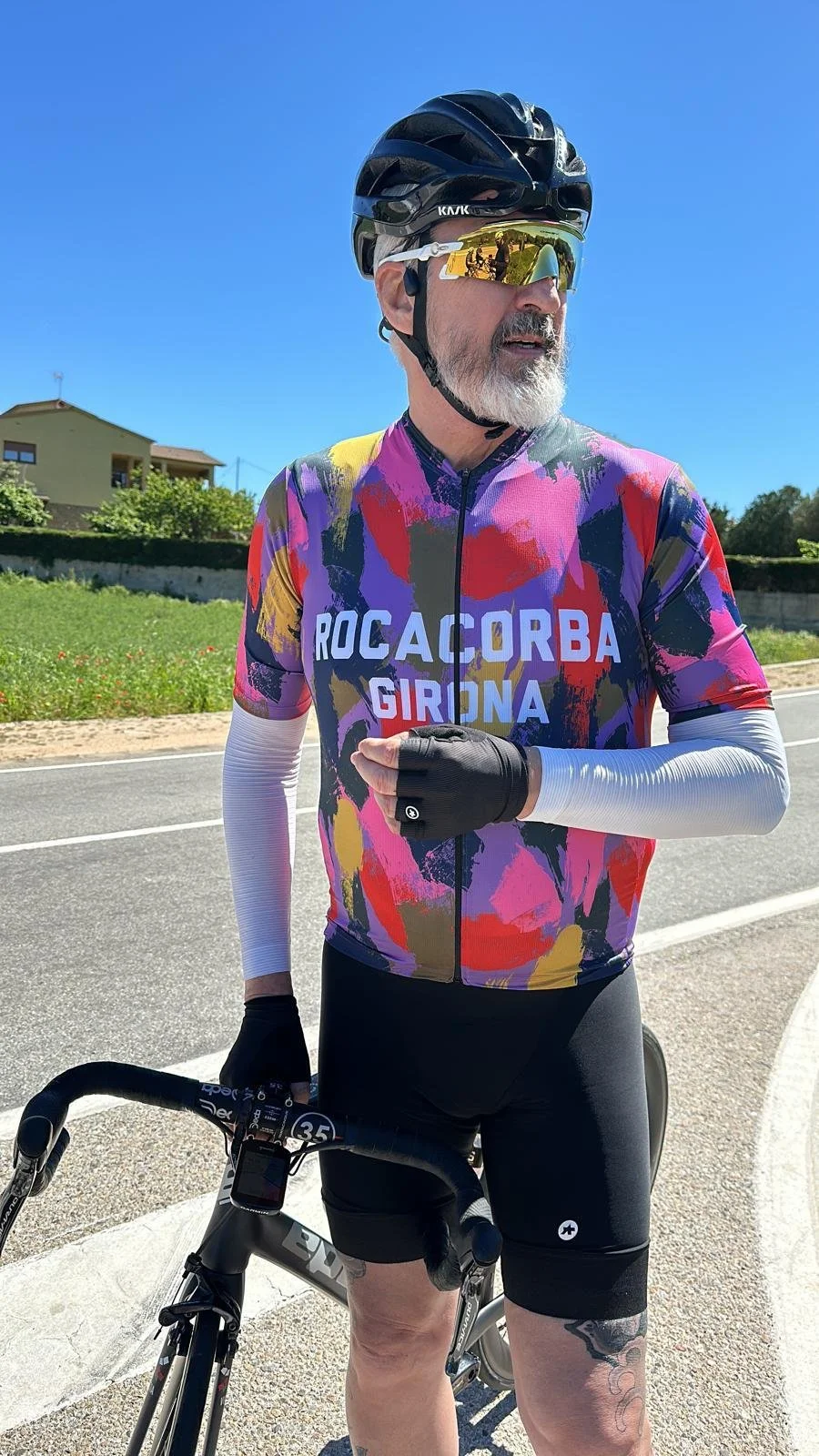
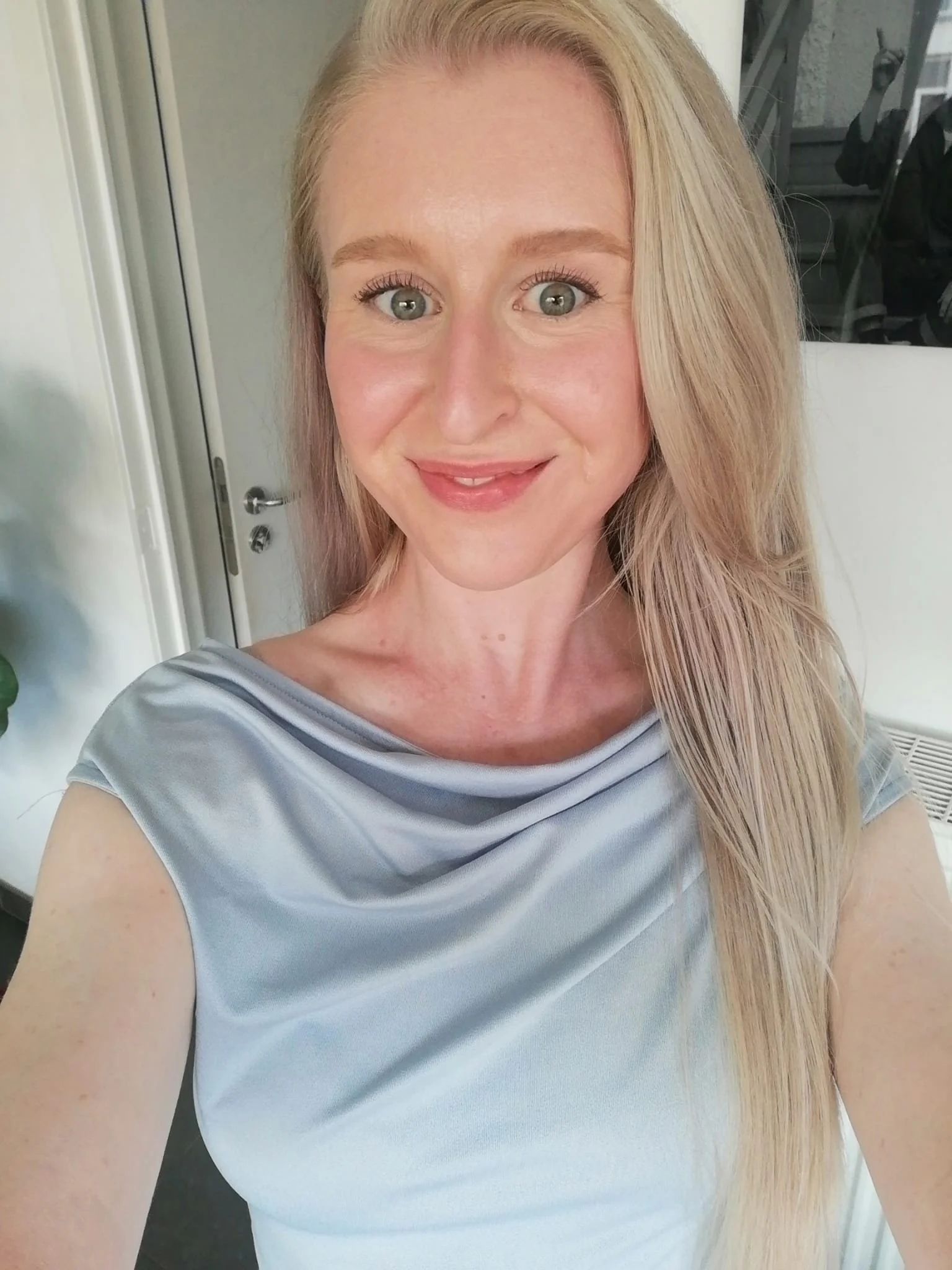
I recently had the pleasure of sitting down (virtually!) with Stephen Moon, a valued member of our Yeu Zone community who has faced some incredible personal challenges over the years. From battling anxiety and insomnia to recovering from two serious cycling accidents, Stephen’s journey is a powerful testament to resilience and self-care. Throughout it all, he’s developed a deeper understanding of mental and physical well-being, learning to prioritise what truly matters in life. I asked Stephen to share more about his personal experiences, how he’s navigated these hurdles, and the mindset that keeps him moving forward. Here’s our inspiring conversation.
Rachael Jennings: I've been diving into your blog and keeping up with you on Instagram. Your journey is truly fascinating, especially when it comes to your approach to staying active over the last 25 years. I understand that you’ve had some ups and downs along the way, including an unfortunate accident. Can you give me a brief overview to kick things off?
Stephen Moon: Absolutely, Rachael. Looking back at the last 25 years, it’s been quite a colourful journey. I started my career in strategic planning at a major pharmaceutical company, GlaxoSmithKline, working with well-known brands like Ribena and Lucozade Sport. I was involved with elite athletes, including John Barnes and Alan Shearer, and while I enjoyed my corporate life, I found it a bit constraining. Big corporations excel in processes and scaling up, but they often stifle innovation.
During that time, I discovered a smaller brand called Science in Sport. It caught my attention because it represented a more hardcore approach to sports nutrition compared to Lucozade Sport. Eventually, I left GSK to pursue my own ventures, including organic snack bars and a healthy tomato extract business. However, Science in Sport never left my mind. After years of persuasion, I was able to acquire the brand in 2011. We aimed to build it into the world's leading endurance sports nutrition business, and I believe we’ve made significant strides towards that goal.
Rachael: That’s impressive! You’ve really made your mark in the industry. But I know it hasn’t all been smooth sailing. Can you share more about the challenges you faced, especially concerning your health?
Stephen: Yes, my health took a turn as I approached my mid-40s. I was struggling with my diet and fitness regime, which led to poor health outcomes. I come from a family with a history of cardiovascular disease, so this was a wake-up call for me. I realised I needed to take control of my health, so I dusted off my bike and committed to cycling more regularly.
Over time, I found myself getting fitter and even ended up in the top 15% of my age group in key fitness measures. But then, in May 2023, I had a severe accident while competing in RideLondon. I was struck by an out-of-control e-bike and ended up in intensive care for 12 days with 15 fractures.
Rachael: That sounds harrowing. How did you manage through that experience, especially considering the severity of your injuries?
Stephen: It was intense. I was in a ward with two other patients who had serious traumas, and both of them unfortunately passed away during my stay. Being in that environment was tough, but it motivated me to push through my recovery. The medical staff remarked on how quickly I was healing, attributing it to my physical robustness.
After 12 days, I was determined to go home, but the staff wanted me to stay longer. I insisted, driven by the realisation of how fragile life can be. So, I left the hospital with a renewed appreciation for life.
Rachael: That’s a powerful takeaway. You’ve shown such resilience through these tough times. What happened next?
Stephen: Well, after that first accident, I went back to work, but something had shifted. Five months later, I left my full-time job. I realised life felt too short to be stuck in the grind, working 70-hour weeks. I wanted to embrace a new chapter, live more intentionally, and focus on what mattered to me. Then, in April this year, I had another accident while cycling in Spain. I fell hard, suffered multiple fractures, and once again found myself in intensive care. It was frustrating, but I was determined to bounce back quickly, just as I had before. So, the moment I could, I started training again.
Rachael: Two serious accidents in such a short time must have been incredibly tough to deal with, not just physically but mentally as well. How did you manage to cope?
Stephen: It was tough, no doubt. After each accident, I knew I had to focus on my mental resilience. Lying in a hospital bed gives you a lot of time to think, and there were moments of doubt, especially during my second stay. But what helped me was setting small, manageable goals. After the first accident, I promised myself I’d be back on my bike within two months, and I did it. Having that focus, that clear target, gave me something to work towards, and that helped pull me through.
Also, I had some strange, almost profound experiences during recovery. After the first accident, the pain medication caused vivid hallucinations—I remember seeing a small figure in the distance, almost like it was calling to me. It sounds odd, but in those moments, it felt deeply significant, like a reminder that I needed to dig deep and find the strength to keep moving forward.
Rachael: That does sound surreal. I can relate to that in my own way. After facing tough moments in life, I felt as though God was guiding me, and those challenges were shaping me. It’s interesting how these experiences can touch us on a deeper, spiritual level. Do you feel like those close encounters with your mortality have shaped how you view life now?
Stephen: Absolutely. Facing those moments has made me more mindful of how fragile life is and how important it is to live fully. I used to be caught up in work and all the usual stress, but when you’re confronted with your own vulnerability—lying in a hospital bed twice in one year—it changes you. You realise what really matters. For me, that’s staying healthy, maintaining my mental and physical well-being, and focusing on the people and experiences that truly bring meaning to life. It’s also about accepting that life is unpredictable. We can plan all we want, but sometimes things happen that we have no control over. What we can control is how we respond and how we move forward.
Rachael: It’s inspiring how you’ve not only recovered but also used those experiences to transform your mindset. It’s a reminder that resilience isn’t just about bouncing back, but also about growing and learning from those moments.
Stephen: Absolutely. I’ve come to see life as a series of opportunities. After my first accident, I began to write about my experiences, and the response surprised me. People found my story gripping, and it motivated me to share more. I even tattooed the Japanese kanji “Nanakorobi Yaoki,” which means “fall down seven times, get up eight.” It serves as a constant reminder of resilience.
Rachael: That’s a beautiful philosophy. Are there specific daily practices you engage in to maintain that resilience?
Stephen: I practice daily meditation, which helps me manage stress and anxiety. It may sound cliché, but grounding myself in mindfulness has been vital for my mental health. I’ve also focused on maintaining a balanced lifestyle, ensuring I stay physically active while managing my diet better.
Rachael: Yeah, it's really nice. When you realise that you have things in a bit of a toolkit for yourself to navigate through life...
Stephen: Exactly! I describe it as a toolkit. We all have the best intentions, but if I’m feeling anxious, I turn to that toolkit. Anxiety and depression have dogged me all my life. From my earliest memories, they’ve been present. So, when I suddenly feel anxious or down, I’ll start writing, practise meditation, or go for a walk, even if it's hammering down with rain or snow. Those activities help create a bit of space in my mind. In today’s world, we’re overloaded with media noise and opinions. Just a little meditation, some writing, and getting outside to feel the sunlight can switch off that noise for a while.
Rachael: I can relate to that. For me, it’s not necessarily anxiety or depression but extreme overstimulation. I often tell my husband that I need 20 minutes of quiet time, just to sit alone in our bedroom. Sometimes, I just end up napping.
Stephen: I completely understand. Recognising that need is a great skill. For a long time, I would just push through, thinking I could manage without a break. I’ve learned to take short pauses, which improves not just my mood for that hour but the following days as well. It’s like emptying the trash; after doing that, I’m ready to tackle life again. If you can establish a daily habit of self-care, it accumulates over time. Getting into a good groove can set you up for weeks or even months. But, as humans, we’re prone to fallibility. It’s easy to slip into bad habits and neglect the good stuff if we’re not careful.
Rachael: That’s a great point. It's so easy to fall back into those patterns without realising it. Many people don’t feel well on a deep level, and I wish more could identify what they truly need. It’s so easy to reach for another coffee when what you really need is a break.
Stephen: Exactly! When I was a kid, I was a chronic insomniac. I mean, I struggled with insomnia throughout my young adulthood and professional career, often getting only four to six hours of sleep. The negative effects on my health and cognition were significant. Now, after being intentional about my lifestyle choices and using that toolkit I mentioned, I’m finally sleeping eight hours a night—sometimes even a little more. This is the first time in my life I’ve been able to achieve that!
Rachael: That’s fascinating! It’s crazy how you had to explain how you have time to sleep.
Stephen: I know! People often roll their eyes, thinking it’s easy for me. But anyone can make time. Just an extra hour or two in bed can make a huge difference in how you feel throughout the day. When I first started focusing on sleep, I remember feeling so much better. It’s not just about having time; it’s about prioritising it.
Rachael: You’re touching on so many foundational components of wellness—nutrition, sleep, and having mental health tools. We’re not trying to sell people a magical solution that will solve all their problems. Ultimately, it's their responsibility to manage their lives.
Stephen: Exactly. Many people don’t realise how much control they have over their feelings and well-being. Setting boundaries and saying no is essential to maintaining that balance. For example, I’ve learned to be more deliberate about my choices. I measure my workouts, sleep, and other factors. I can’t tell you how much that awareness has helped me.
Rachael: Yes, exactly. The people who roll their eyes are usually the ones who need to reassess their time management. They often believe they don’t have time for self-care because of family or work obligations.
Stephen: Right! That attitude is damaging because it dismisses the fact that we have more control than we think. Even senior executives can manage their time better within their corporations. There’s this widespread acceptance of being swept away by the chaos of modern life—social media, and 24-hour news. While we can’t switch everything off, establishing healthy boundaries and practising self-care can go a long way.
Rachael: It really can. If people say they can’t spend an extra hour in bed, they should reconsider what’s truly possible in their lives.
Stephen: Absolutely. Sometimes we need to take a step back and reflect on what really matters. It’s not just about finding time for self-care but understanding that it’s an integral part of leading a fulfilling life. I’ve learned that self-compassion is key. We are all imperfect and will sometimes fall short, but that doesn’t mean we can’t try again. Each day is a fresh opportunity to start anew and make choices that nourish our well-being.
Rachael: That’s a beautiful way to look at it. We have to remember that self-care isn't selfish; it’s essential. As we navigate through life’s ups and downs, it's vital to prioritise our mental health and create a sustainable balance.
Stephen: Exactly! With the right mindset and tools, we can all cultivate a life that feels balanced and fulfilling.
Rachael: You can keep readjusting the level you're playing at or change the rules, but if you do that, you actually cannot lose.
Stephen: I've learned that a lot. I tell people: as long as you stay in the game, you can improve. If you give up on the game, you’re done.
Rachael: Absolutely. Thank you so much, Stephen. It’s been a pleasure.
Thank you so much, Stephen, for sharing your story with us!
If you would like to be featured or know someone who would be great to feature, please don’t hesitate to email rachael@jenerise.com 😊
We all rise together,
Rachael Jennings | Co-Founder + CBO, Jenerise