
"I never felt happy about my body. And through doing resistance training, having that three-times-a-week cadence at the gym, I feel satisfaction with my body. The most I've ever had, for the first time in my life, really feeling satisfied."
Sarah Burden wasn't talking about a diet. She wasn't talking about getting smaller. She was actually talking about the opposite: getting stronger, and finally feeling at peace in her body for the first time in four decades.
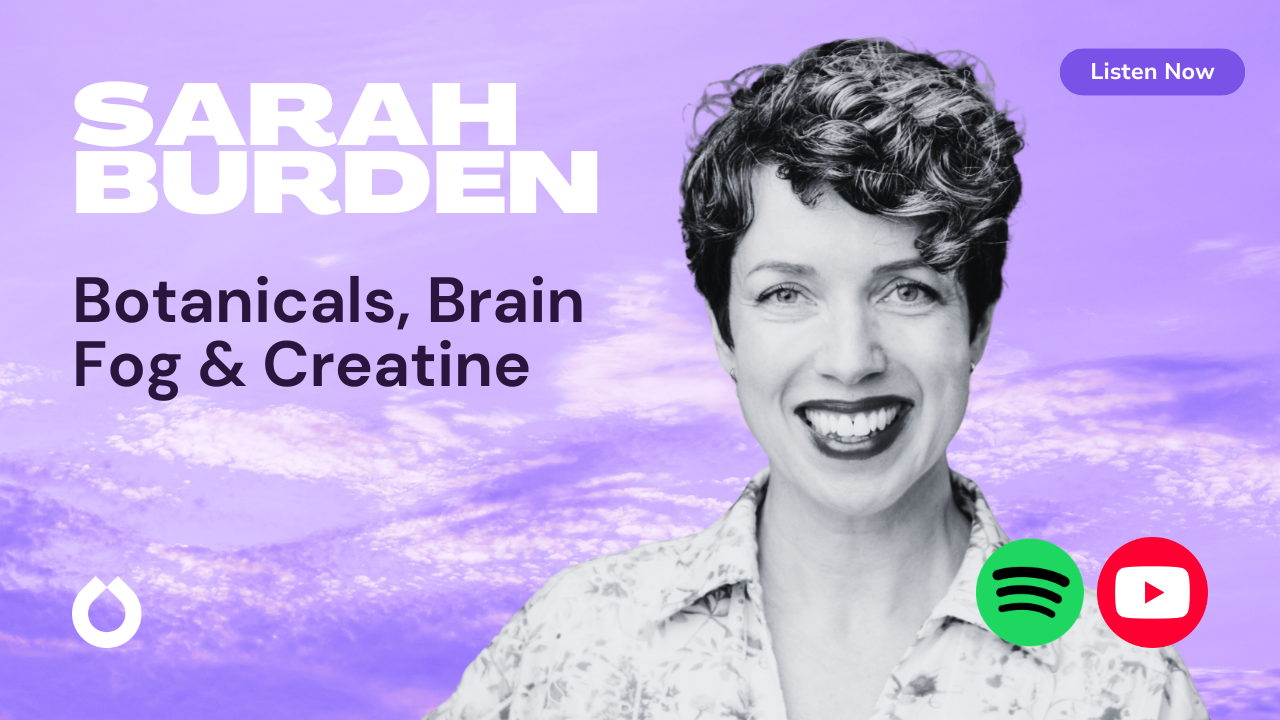
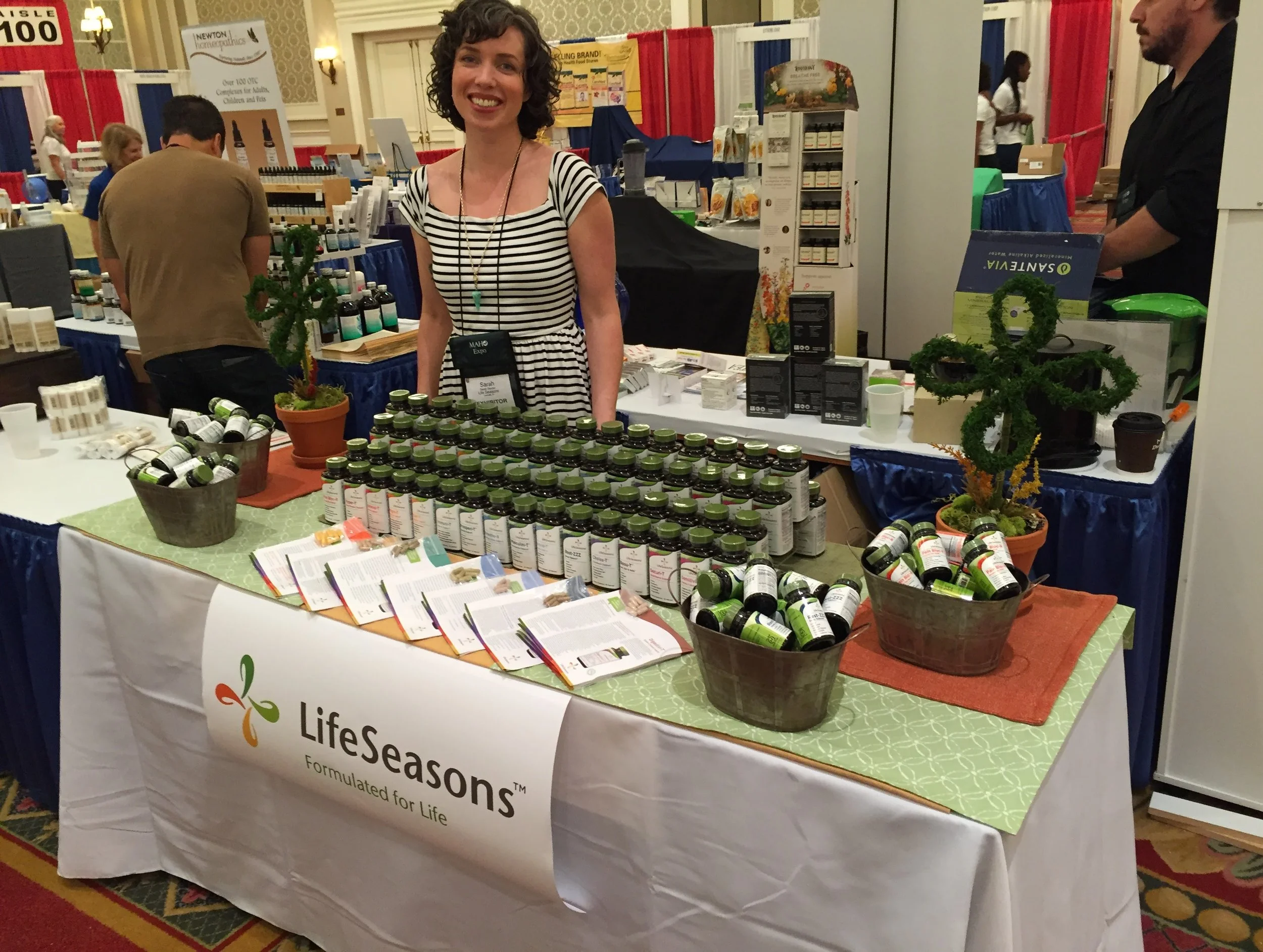
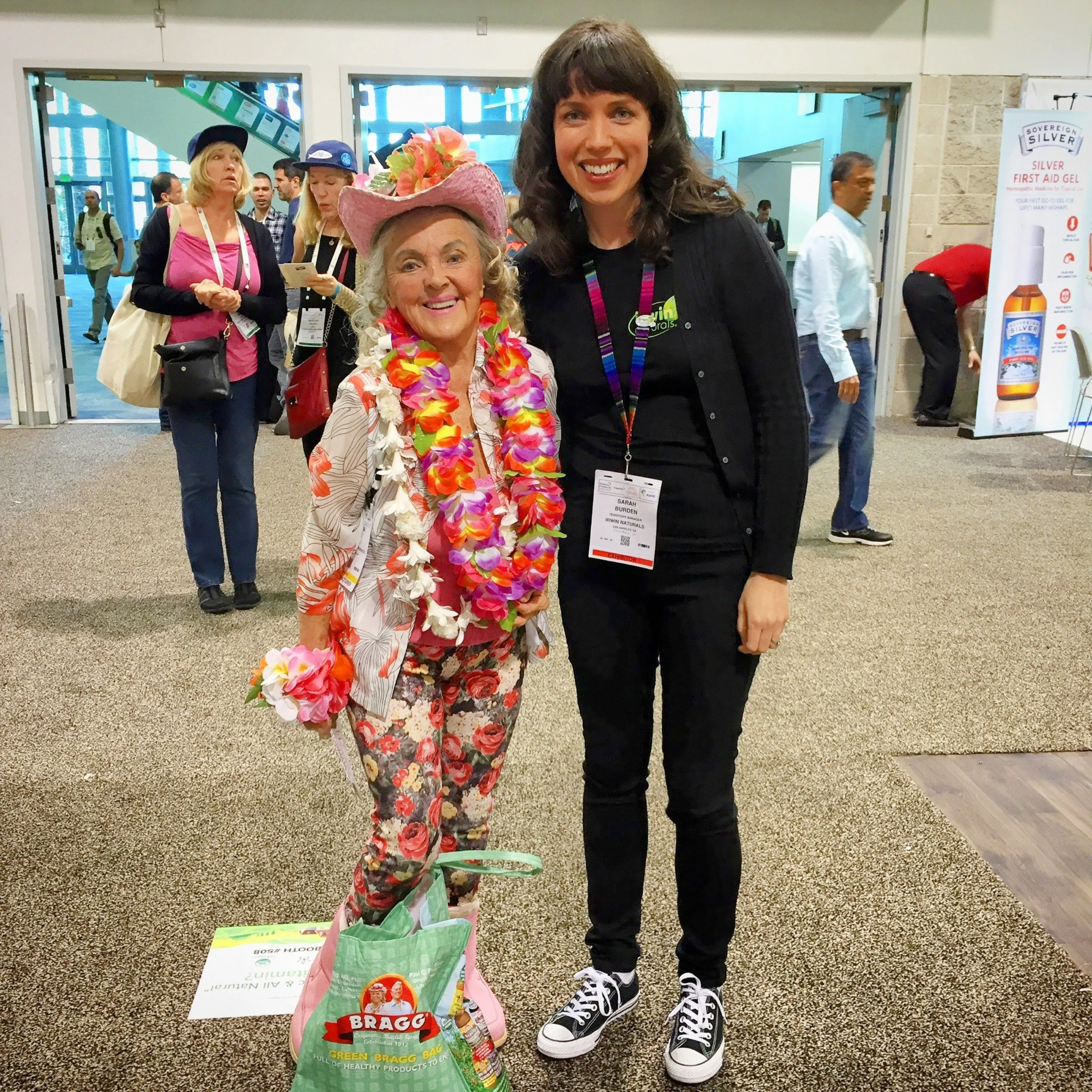
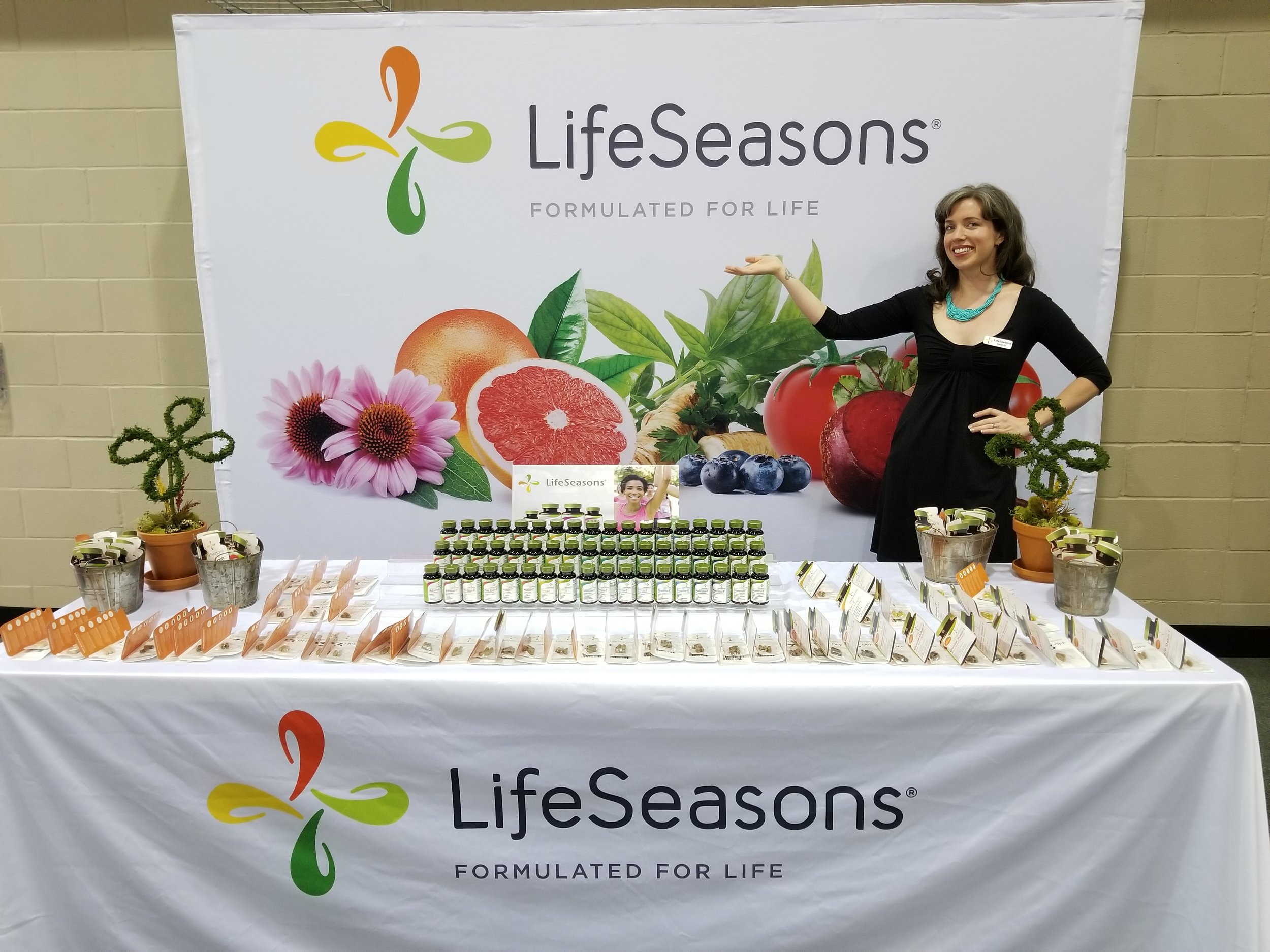
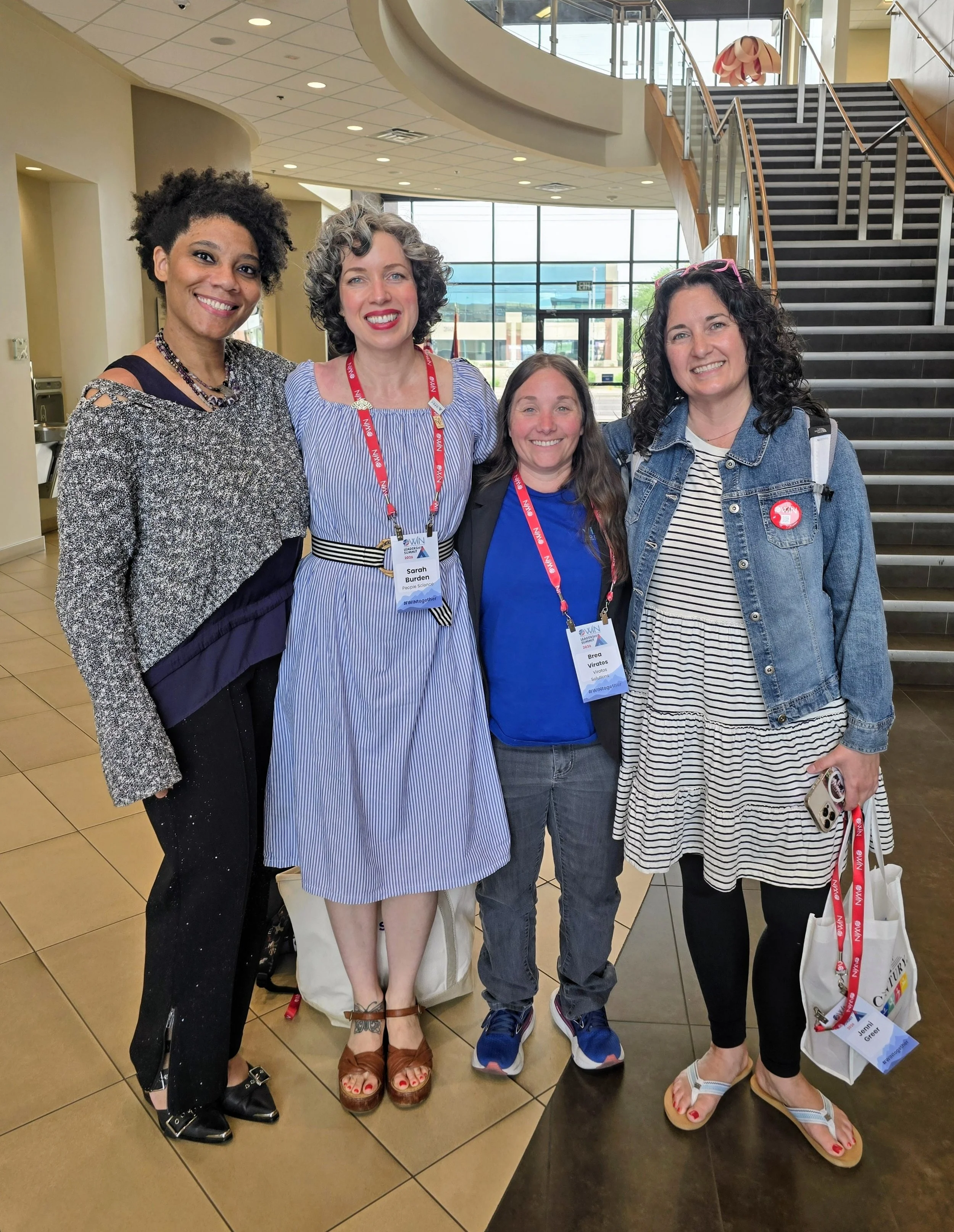
Sarah has spent two decades in the natural products industry, starting in an apron in the supplement aisle at Whole Foods and building a career that's taken her through some of the most respected supplement companies in the space. Today she's part of the clinical research team at People Science, where her focus is botanical health products. We talked about the plant world and the perimenopause world in the same conversation, because for Sarah, right now, they're the same story.
Botanicals are having a real moment, and it's about time.
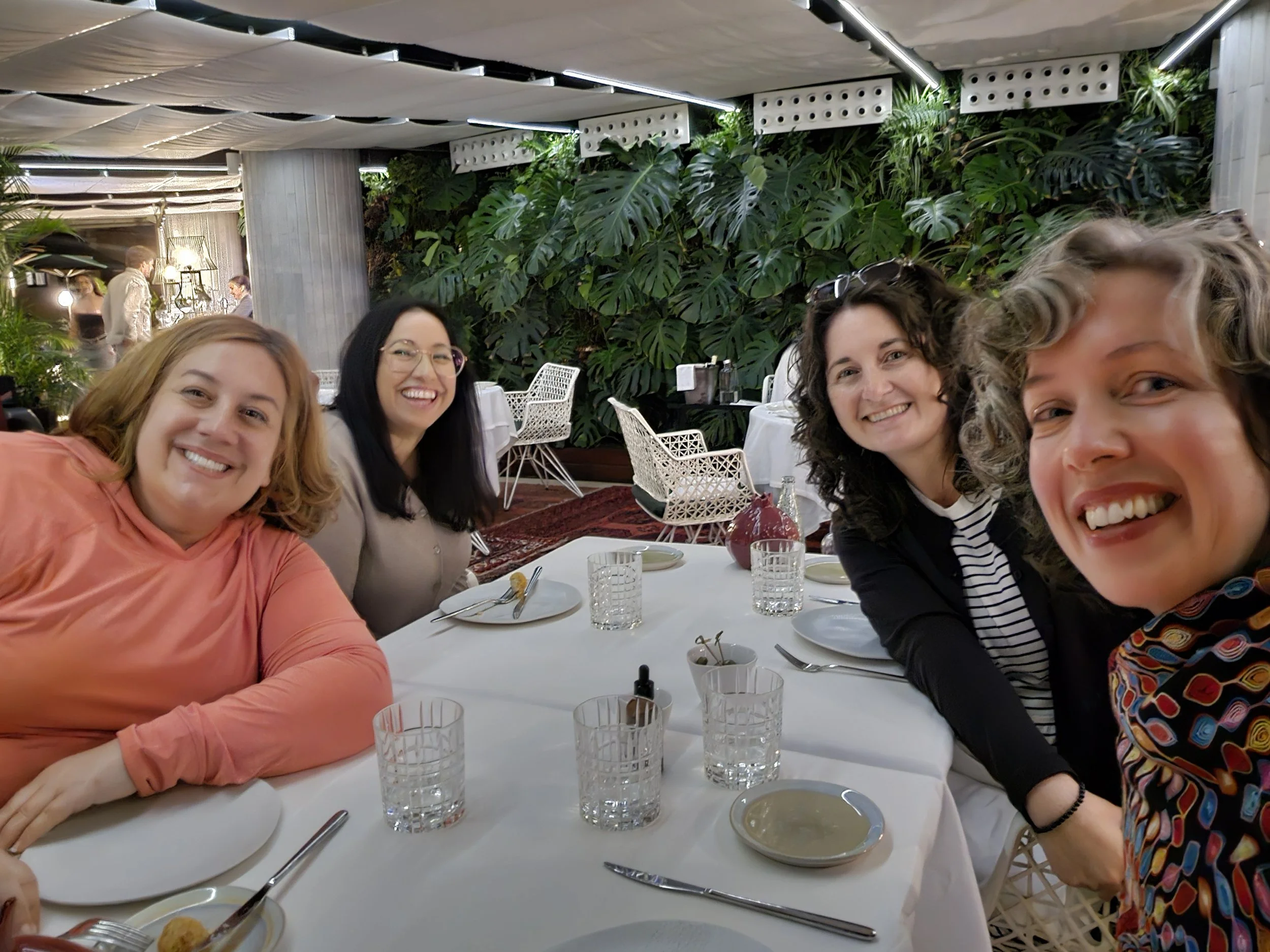
Sarah had just come back from Vitafoods in Barcelona when we recorded this, and she described the show as equal parts vacation and work trip, reconnecting with people she's known for years, then wandering through the Botanic Gardens once the show floor closed. What she's seeing industry-wide is that botanical-based supplements are finally catching up to where herbalists have been for generations. As clinical research becomes more accessible and more affordable, ingredients that were once considered fringe are earning mainstream trust. The plants didn't change. Our ability to prove what they do did.
"Plants are even more fascinating than animals, because they can't run away."
That's a line Sarah borrowed from a scientist she learned from early in her career, a former high school biology teacher who noticed his students always thought the plant unit would be boring. His point was that plants face every environmental and evolutionary pressure animals do, but they can't move toward resources or away from threats. So they've had to get inventive. A plant growing in low-oxygen conditions has to become metabolically resourceful just to survive, and that's part of how you end up with something like rhodiola, which athletes use to improve oxygen utilisation during performance. The myth Sarah wanted to dispel outright: botanicals aren't less sophisticated than anything derived from an animal. They're arguably more so.
We forgot the plants growing in our own backyards.
This was one of my favourite parts of the conversation. We've romanticised Eastern herbalism in the West while losing touch with what grows right outside our doors: nettles, dandelions, the "weeds" our grandparents actually knew how to use. Sarah pointed out something I hadn't considered: a weed-free lawn used to be a status symbol, because it meant you didn't need to forage your own food. The tidier the yard, the more it signalled you could afford to buy everything at the market instead. We traded nutrition for appearances, and most of us never even noticed the trade happened.


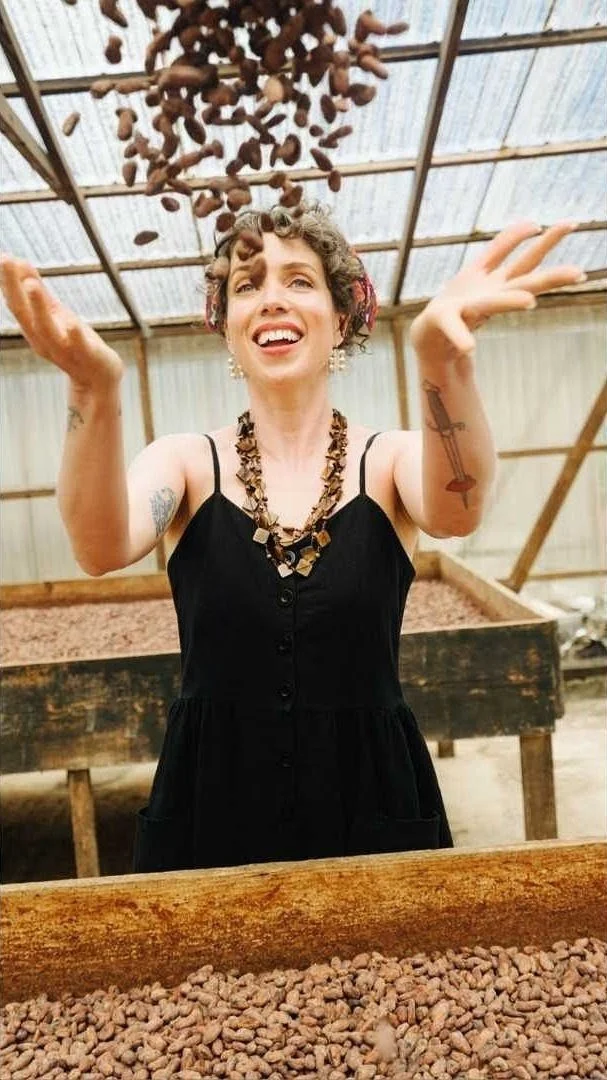
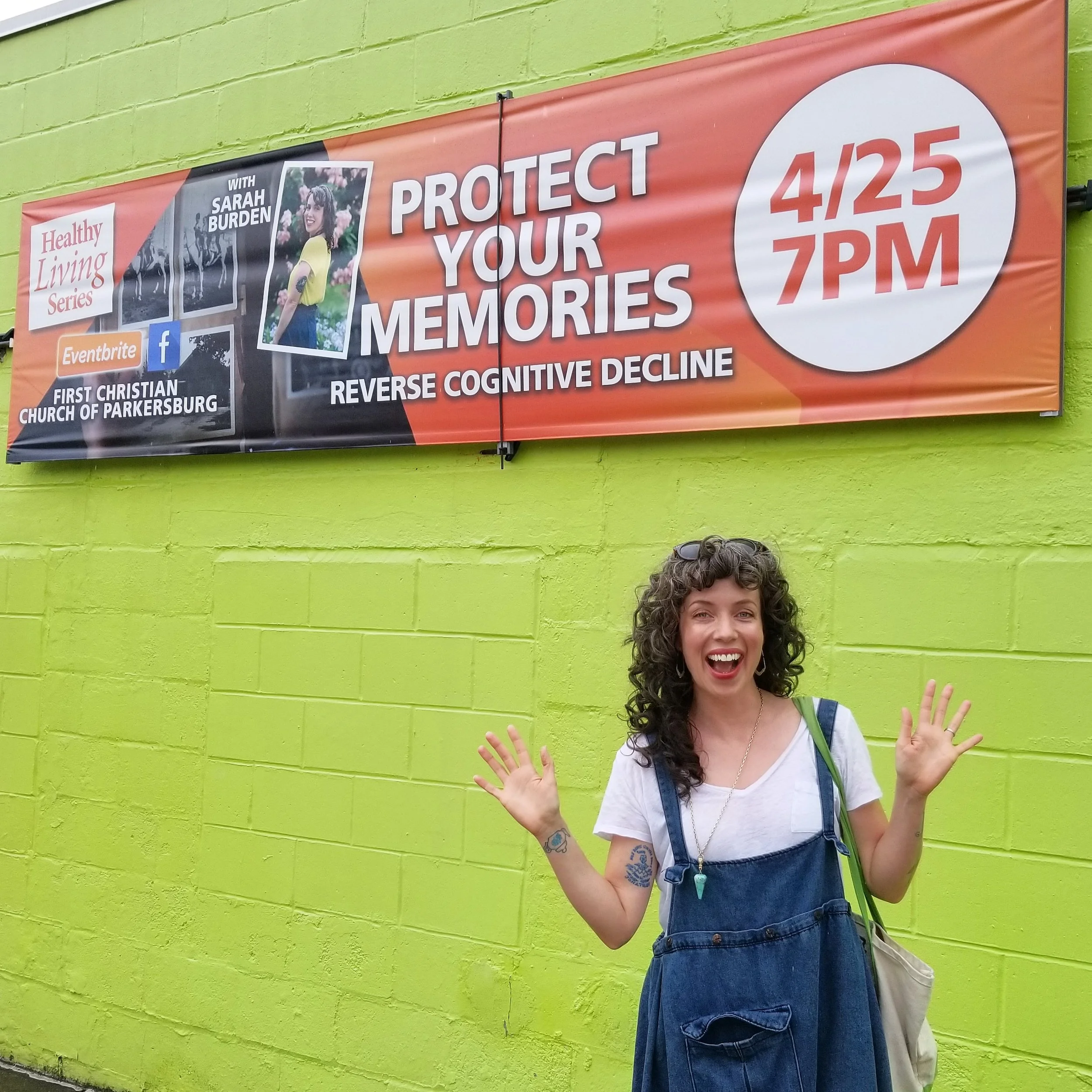

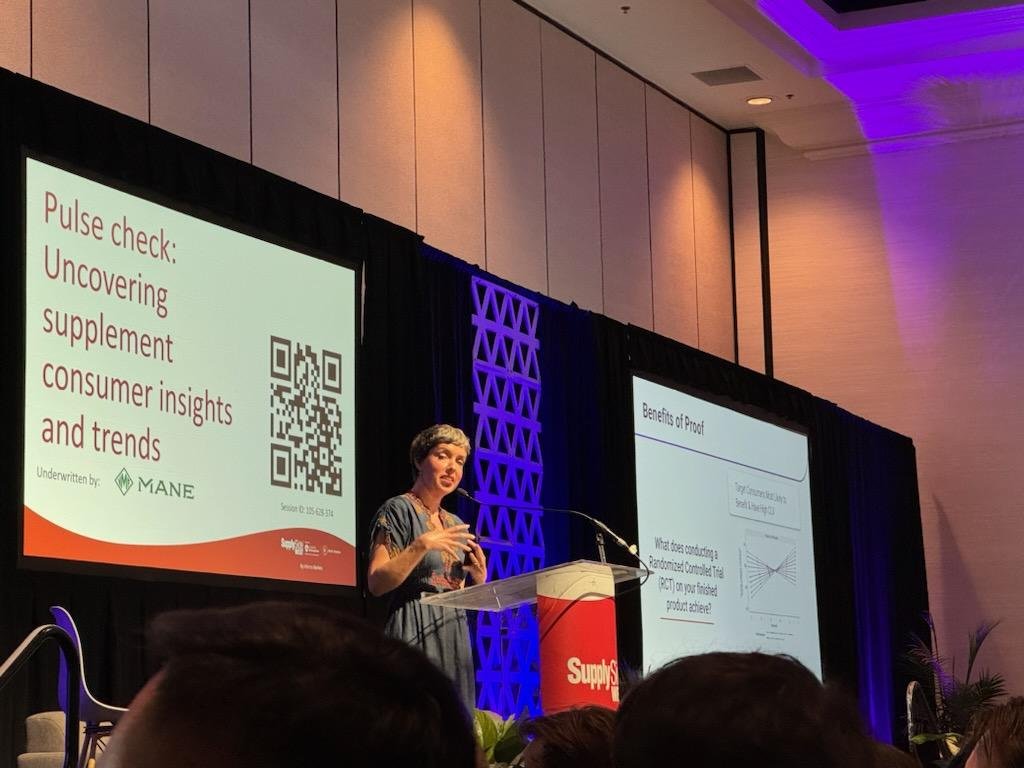
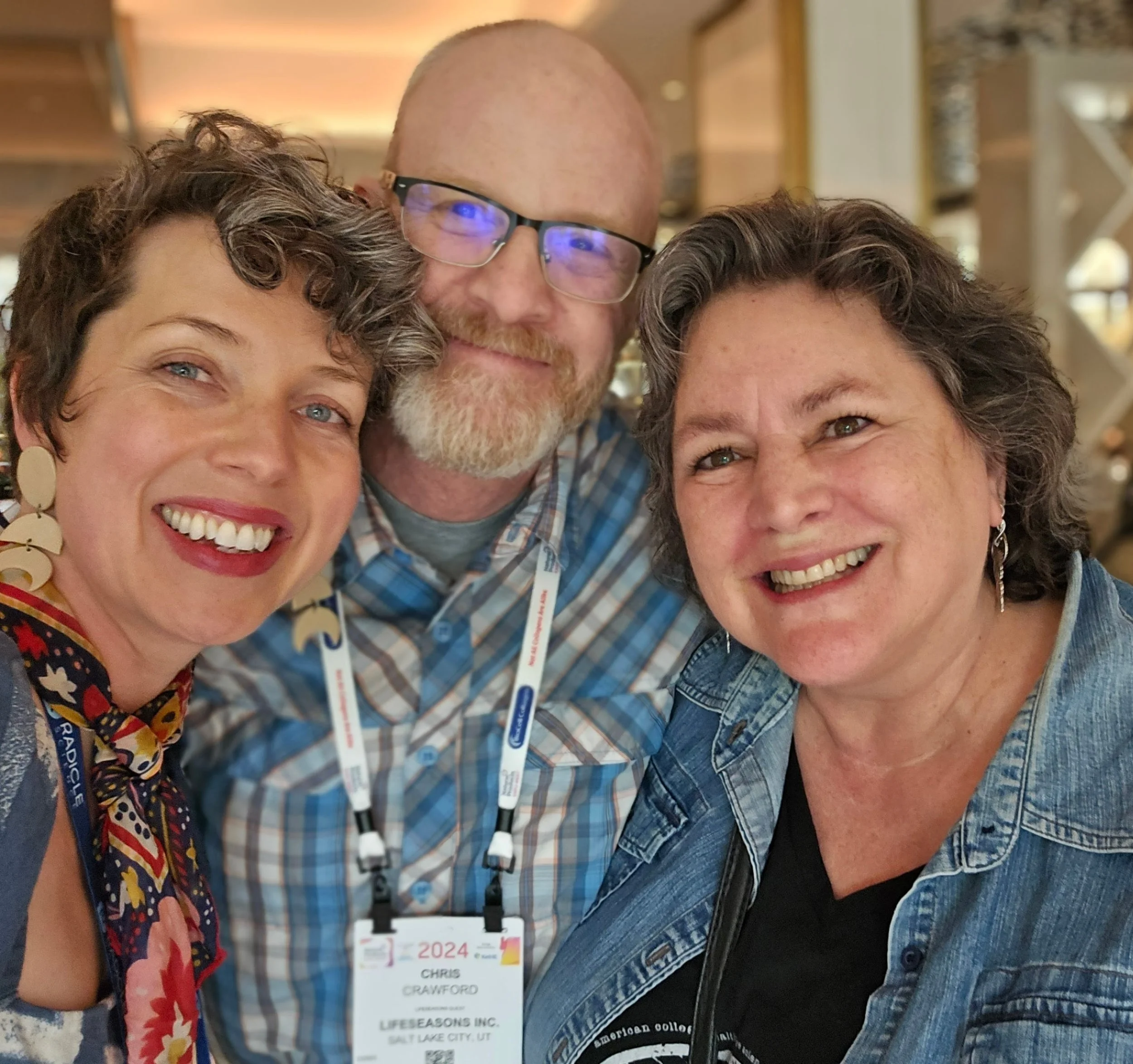
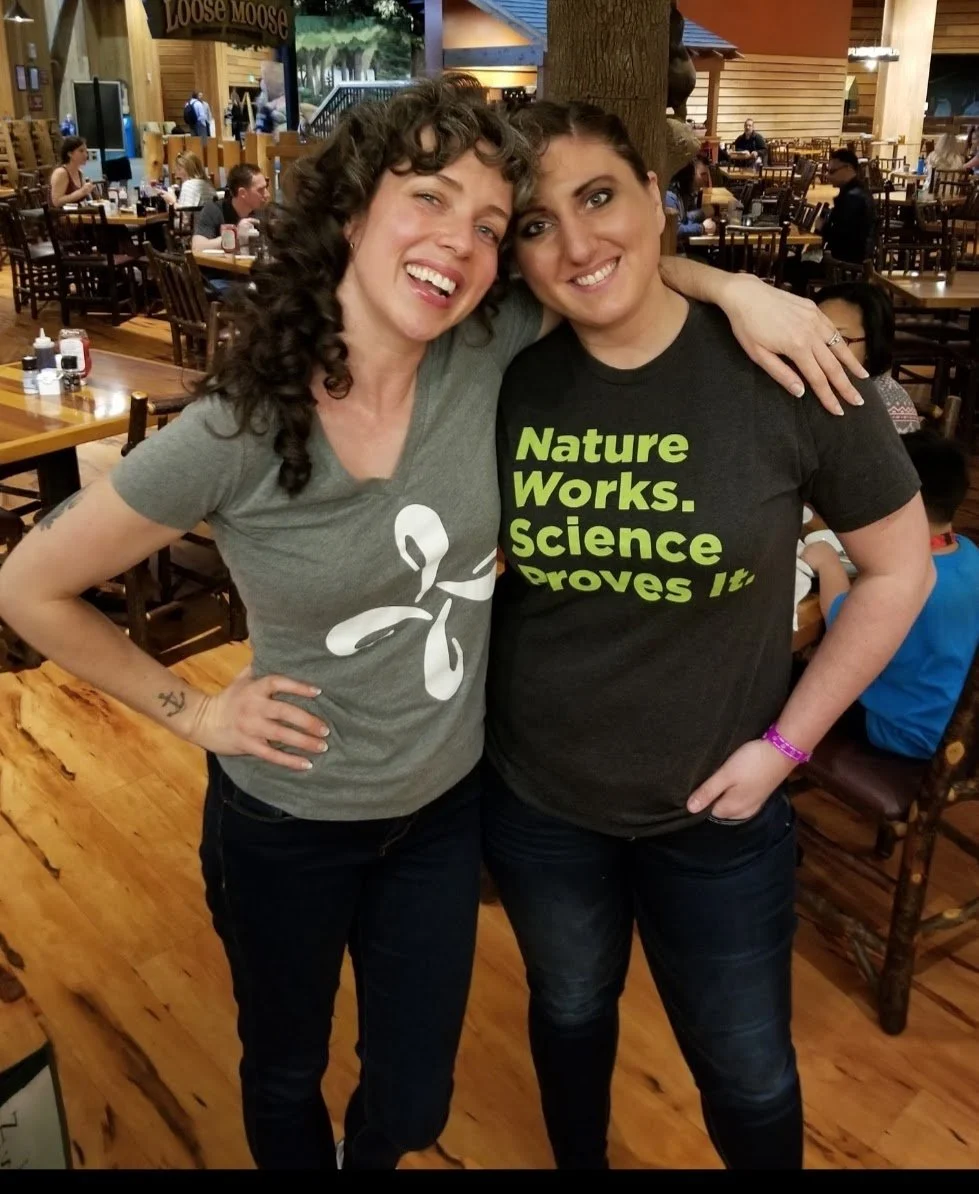
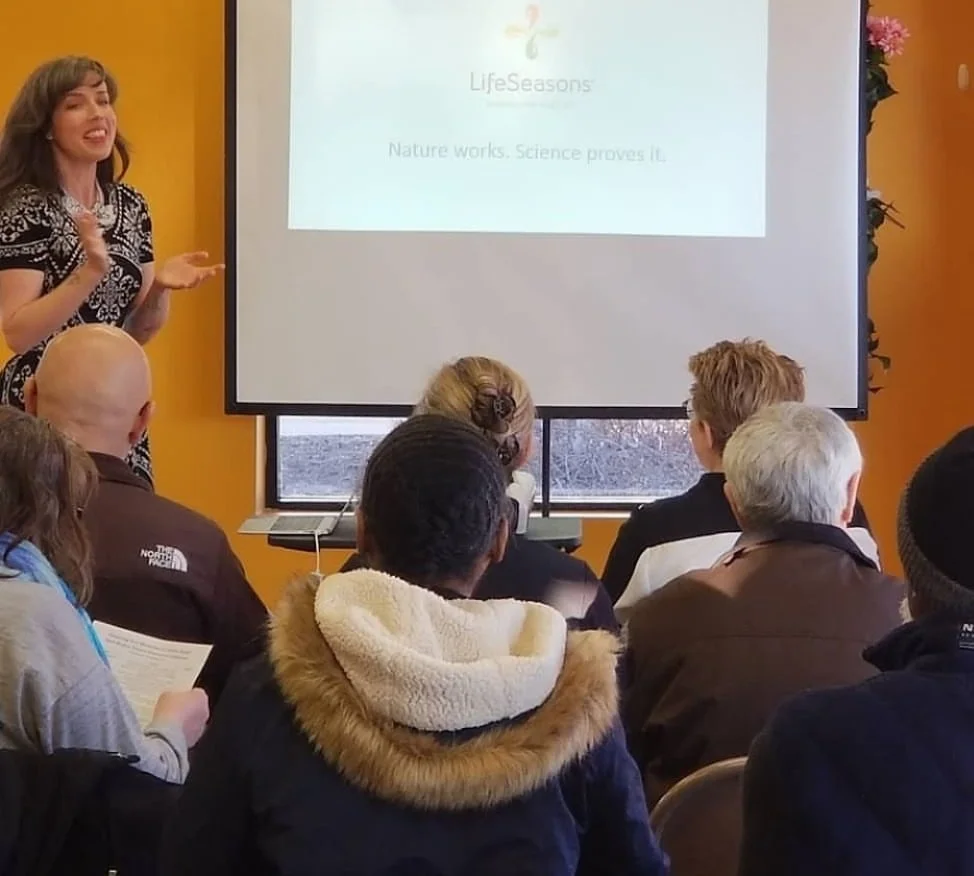

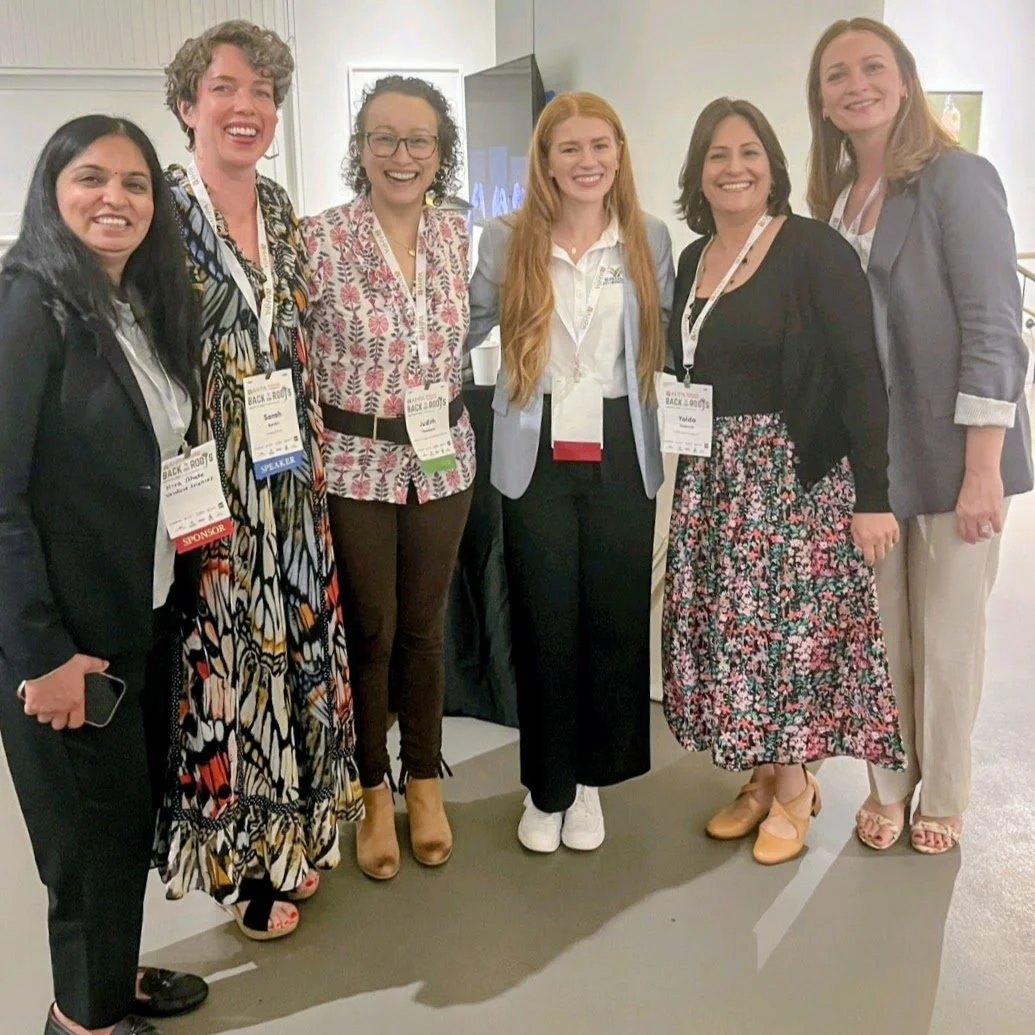
Right now, Sarah's watching three ingredients closely.
Shatavari, an Ayurvedic herb gaining real momentum for hormone balance and lactation support (Sarah used it herself while nursing her daughter, back when it was still hard to source).
Ashwagandha, which is entering a genuinely uncertain period thanks to new legislation in India and an ongoing, surprisingly heated academic debate over root versus leaf.
Rhodiola, which first proved itself with Olympic athletes in the 1970s and is now resonating with a much broader, post-pandemic, chronically fatigued population trying to get back up to speed.
Decentralised trials are democratising the evidence, not just the ingredients.
Sarah's path into clinical research came from watching a well-funded supplement brand spend $1.5 million and years of work to run a single human trial, partnering with a university, waiting on approvals, absorbing costs that put real evidence completely out of reach for smaller, founder-led brands. People Science, co-founded by Dr Noah Craft and Dr Belinda Tan, built its model to fix exactly that: remote, connected trials at roughly a tenth of the cost of a brick-and-mortar study. But the bigger shift, for Sarah, is who gets to participate. Traditional in-person trials required people to take time off work, arrange childcare, and cover parking, which meant participant pools skewed heavily toward white men over 40. Decentralised models open the door to women, rural residents, and people across a much wider range of socioeconomic backgrounds, which means the data finally reflects the people actually using these products.
From "skinny by any means necessary" to muscle as an organ of metabolism.
Sarah grew up on 90s heroin chic. Kate Moss photos taped to her wall. Undereating treated as a lifestyle. She told me she didn't fully register how much of that mindset she was still carrying until her hormones started shifting in her 40s and she realised she had two options: keep restricting food until she was hungry and irritable all the time, or change her whole approach. A scientist she worked with, Susan Hewlings, kept gently repeating one idea to her: muscle is an organ of metabolism. That single reframe, combined with reading Miranda July's account of picking up weights for the first time, was enough to get Sarah, a self-described art school kid, into a gym for the first time in her life. What she found waiting for her wasn't just a stronger body. It was better sleep, sharper focus at work, and, eventually, a husband who started asking to come along.
Creatine helped her think clearly again, and that scared her into paying attention.
Sarah is upfront that creatine felt, at first, like it belonged to a completely different identity than hers, the "sports nutrition camp," not the herb-loving, old-book-collecting part of her world. But the perimenopause symptom that actually alarmed her wasn't a hot flash. It was brain fog. She described staring at a customer email and having to read it three times to understand it, a genuinely frightening experience for someone whose job depends on her expertise. Working up to a 10-gram daily serving of creatine made a real, noticeable difference in her cognition. It didn't ask her to give up the botanicals or the folklore she loves. It just meant expanding what she was willing to take seriously.
Even the marketing has some cross-pollinating to do.
We got a little off-script here, and I'm glad we did. Sarah's spent her career watching two very different retail worlds: wood-shelved health food stores with owners in Birkenstocks, and sports nutrition stores with skull-and-crossbones branding and self-tanner with sponge applicators. Plenty of genuinely functional botanicals, like horny goat weed or long jack, get sold under aggressive, stack-in-a-black-container branding that has nothing to do with what the ingredient actually is. Which means a lot of people are already consuming plants and don't even realise it, because the packaging told them a completely different story.
Seizing the years, for Sarah, means the small stuff, done consistently.
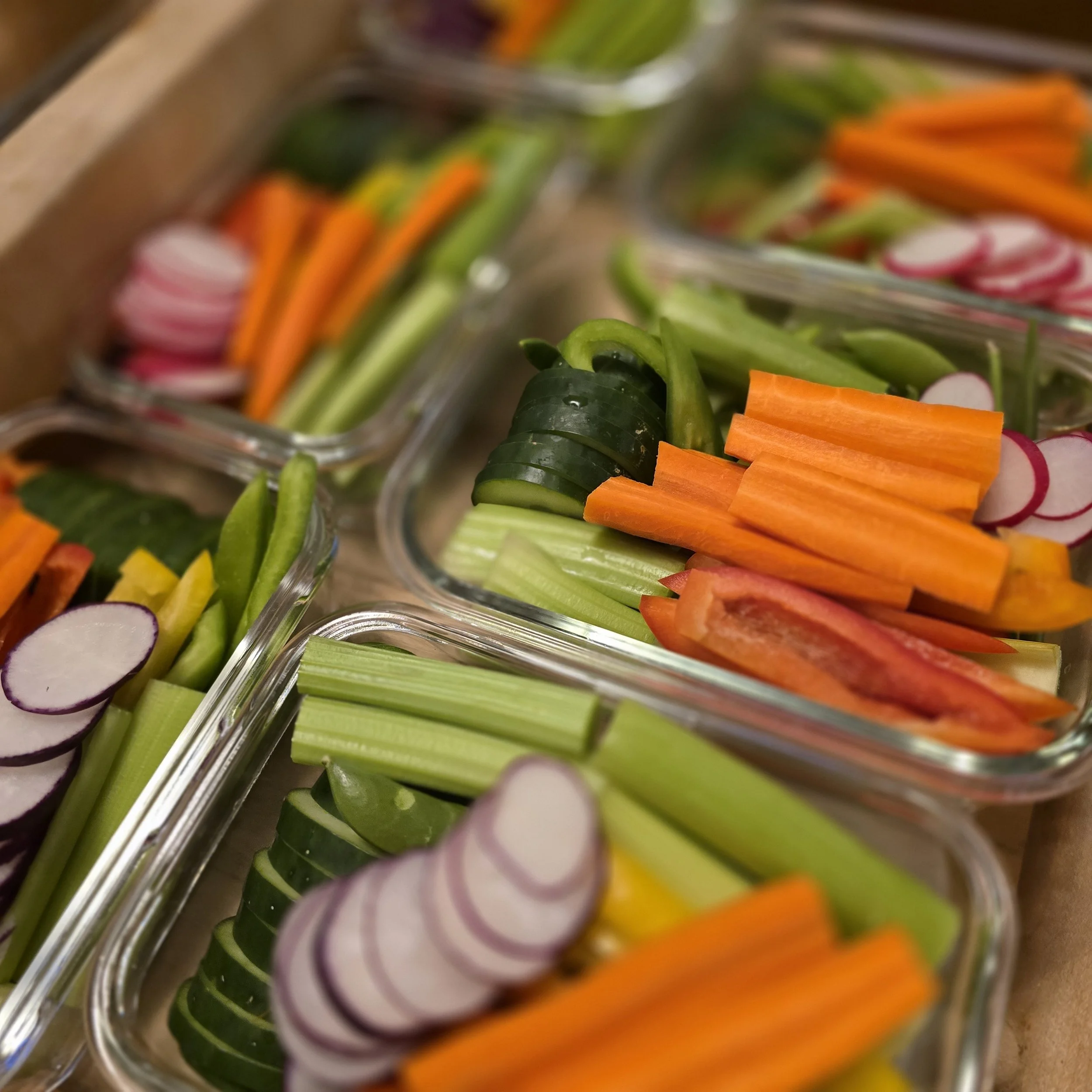
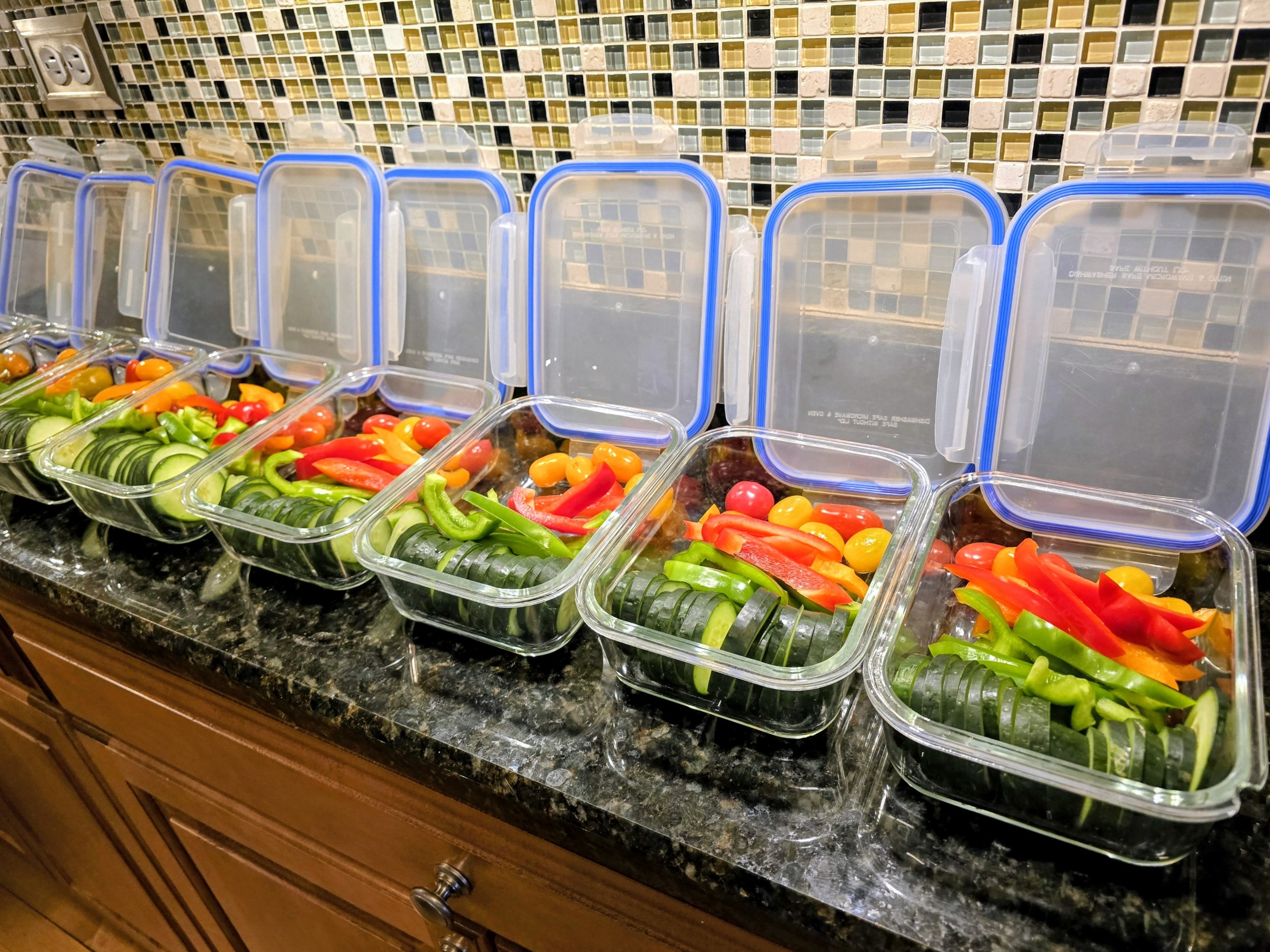
Not six-hour gym sessions. Not extreme anything. A twelve-minute walk to the community rec centre three mornings a week. Reading before she opens her phone. A Sunday afternoon spent washing and chopping a full rainbow of vegetables so the fridge is ready for the week. She's tracking the results: sleep, mood, focus, and she says the evidence has become undeniable. The goal was never to be as small as possible. It's to still be capable of long walks with her family decades from now.
If Sarah's conversation resonated with you, it's part of a growing collection of stories on Seizing the Years. You can find more episodes, including the rest of this season, right here.
We all rise together,
Rachael Jennings | Co-Founder + CBO, Jenerise
More episodes



Regulatory expert Diana Morgan explains why an American flag on your label is a claim, which policy shifts are coming for supplements, and whether US-made creatine could return, plus what it means to seize the years.