
Diana Morgan came to Rachael’s mic with a rare 360-degree view of the supplement industry. She started in sales for an herbal weight management ingredient while still studying nutrition, then moved through technical services, product development, international and regulatory affairs. Two decades later, she is a former board member of the Council for Responsible Nutrition, the force behind Pumps Gym Events, and the founder of Pink Catalyst Consulting.

This month, she and Rachael talked about the label traps brands fall into, the policy shifts coming to the industry, whether American-made creatine could ever return, and what it means to seize the years after a car accident that reshaped her outlook.
Twenty years, and a view from every seat
Diana’s career began at a small startup selling Hoodia, and a first trip to Expo West showed her the energy that surrounds this industry. From there she moved into technical functions, product development and international work, where she saw how regulation changes from one part of the world to the next. That range shapes the advice she gives today. Because she has sat in the marketer’s and the salesperson’s chair, she approaches compliance pragmatically, whether she is reviewing a formula, a social media post or a policy proposal. In her words, everything in this industry connects to some other piece of the puzzle.
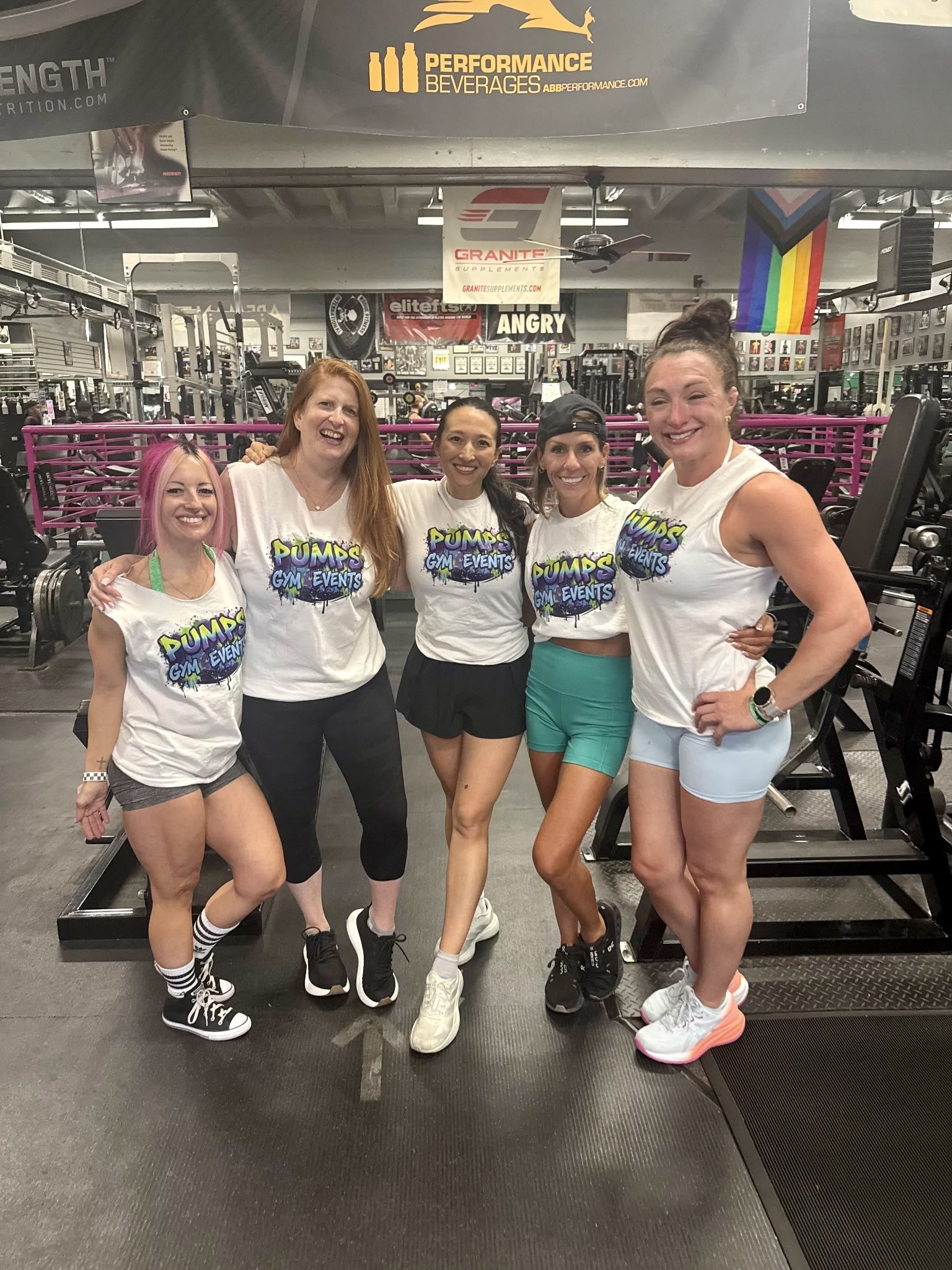
How Pumps Gym Events started
Diana has never been a fan of hotel gyms at trade shows, so she always finds a real one. Several years ago in San Diego, around the Sports & Active Nutrition Summit, she suggested to a few industry colleagues in an elevator that they all go together. That small group grew into the early-morning workout community that now meets before and after major industry events. Her reason for keeping it going is authenticity. Those in the industry market health and wellness to consumers, and she believes we should live that lifestyle ourselves.
The American flag is a claim
This was the part of the conversation Rachael found most eye-opening. According to Diana, FTC guidance treats an American flag on packaging as an implied claim: the consumer takes it to mean that essentially the entire product, including active ingredients, excipients and packaging, is made in the United States. The FTC has been clear that the average consumer cannot tell the difference, and many ingredients are sourced or synthesised elsewhere.
A line such as “Made in the USA with global ingredients” can add clarity, but Diana was careful to say it is not a complete shield, because regulators look at the net impression of the whole package. Her practical advice is that if your product is not fully made in the US, tone down the flags.
The topic hits close to home in creatine, which is currently synthesised in only two countries. Rachael noted that China produces more than 80% and Germany the rest. She also pointed out that the same logic applies elsewhere, such as UK brands calling themselves “British creatine” when no creatine is synthesised in the UK.
Colours, leaves and fruit also make claims
Implied claims go well beyond flags. Diana described green claims: leaves, soft natural colours and fruit-and-vegetable imagery that suggest a product is more natural or better for the environment than it really is. She shared a case from about a decade ago in which a brand included a small amount of a fruit and vegetable blend and surrounded it with produce imagery, implying its vitamins came from whole foods when they were synthesised. The blend was real, but the impression was misleading, and that is what got the brand in trouble.
What Diana is watching on the policy horizon
Diana explained that trade associations like CRN spend much of their effort on Capitol Hill, making sure lawmakers understand the regulatory framework before they act on it. Here is what she flagged for brands:
The self-affirmed GRAS pathway may go away. Today, brands can use a qualified scientific panel to assess an ingredient’s safety and keep the records in-house. Diana expects that to be replaced by a full GRAS process in which brands submit to the FDA, much like the new dietary ingredient notification process.
State laws restricting under-18 access to muscle-building and weight-loss supplements. New York passed one, and other states have followed. Diana supports the weight-loss side but pushed back on the muscle-building side, which she said rests on an eating-disorder link she considers a debunked myth. She stressed that muscle development matters for teen athletes. Rachael added that Jenerise’s stance, shared by the ISSN, is that creatine is safe across the lifespan, and that educating young athletes may steer them away from dangerous performance-enhancing drugs.
A new regulatory category for peptides. Diana was referring to injectable peptides, not amino acid peptides in dietary supplements. She expects a new category and a regulatory pathway within the next year or two, as consumer demand is not going away.
Artificial colours are on their way out. Big brands are already removing them from foods and supplements, and Diana said there are plenty of naturally sourced alternatives.
PFAS in packaging and food. California has moved from banning intentionally added PFAS to setting detection limits, and lawsuits are following. Her advice to every brand with food-contact products is to make sure they are compliant.
Will creatine ever be made in the US again?
Rachael asked whether American-made creatine is realistic, given that many states lack the capacity to manage the manufacturing process and its waste. Diana would love to see manufacturing return but acknowledged the environmental hurdles. Her answer is that sustainability may be the key that unlocks it. She would not be surprised if a cleaner way of producing ingredients like creatine emerged in the next few years. As Rachael put it, the question may not be whether we can make it the old way again, but how to change the way we make it.

Seizing the years means being present
Diana spoke openly about her faith and about a serious car accident almost a year ago, from which she walked away without serious injuries. She says it sharpened her sense of purpose: to encourage others and lift them up. Her definition of seizing the years comes from advice she once received: be present when you’re present. For her, that means listening intentionally and putting the phone down on a family trip. It also means getting out of your own bubble, which she does through a prayer call with people outside the supplement world and by volunteering with Market Street Mission, an organisation that helps men recovering from addiction get back on their feet. The result, she said, is gratitude for things many of us take for granted, like being able to walk.

Working with Diana
Through Pink Catalyst Consulting, Diana helps brands with regulatory and compliance questions, including social media and influencer content, so no one makes an implied claim by accident. She also offers encouragement to anyone who needs it, including prayer for those going through a hard season. And if you see her at a trade show gym, say hi and bench with her.
Worth knowing: Jenerise makes Jenerise Cr.01™, a third-party verified, precision-grade B2B creatine ingredient. This content is educational and entertaining but also drives awareness of our product.
If this conversation resonated with you, you can find more episodes on Seizing the Years, along with deeper dives from the clinical team on the Jenerise blog.
We all rise together,
Rachael Jennings | Co-Founder + CBO, Jenerise
Frequently asked questions
What does an American flag on a supplement label imply?
According to Diana, FTC guidance treats it as an implied claim that essentially everything in the product, including ingredients and packaging, is made in the United States. If that is not true, brands should avoid or tone down the flag imagery.
What is an implied claim?
An implied claim is a message the consumer takes from imagery, colours, or wording rather than from an explicit statement. Examples include flags, green leaves and fruit images. The FTC standard is that marketing must be truthful and not misleading.
What is GRAS, and why might the pathway change?
GRAS stands for “generally recognised as safe.” Brands can currently use a self-affirmed process, assessing an ingredient with a qualified scientific panel and keeping the records. Diana expects this to be replaced by a process requiring submission to the FDA.
Are there laws restricting creatine for teens?
Some states, starting with New York, restrict under-18 access to muscle-building and weight-loss supplements. Rules vary by state, so check current law and talk to a doctor or dietitian about what is right for a young athlete.
Why are artificial colours leaving foods and supplements?
Major brands have been removing them, driven by growing concern about their healthfulness. Diana noted that naturally sourced colours are widely available.
More Seizing the Years episodes



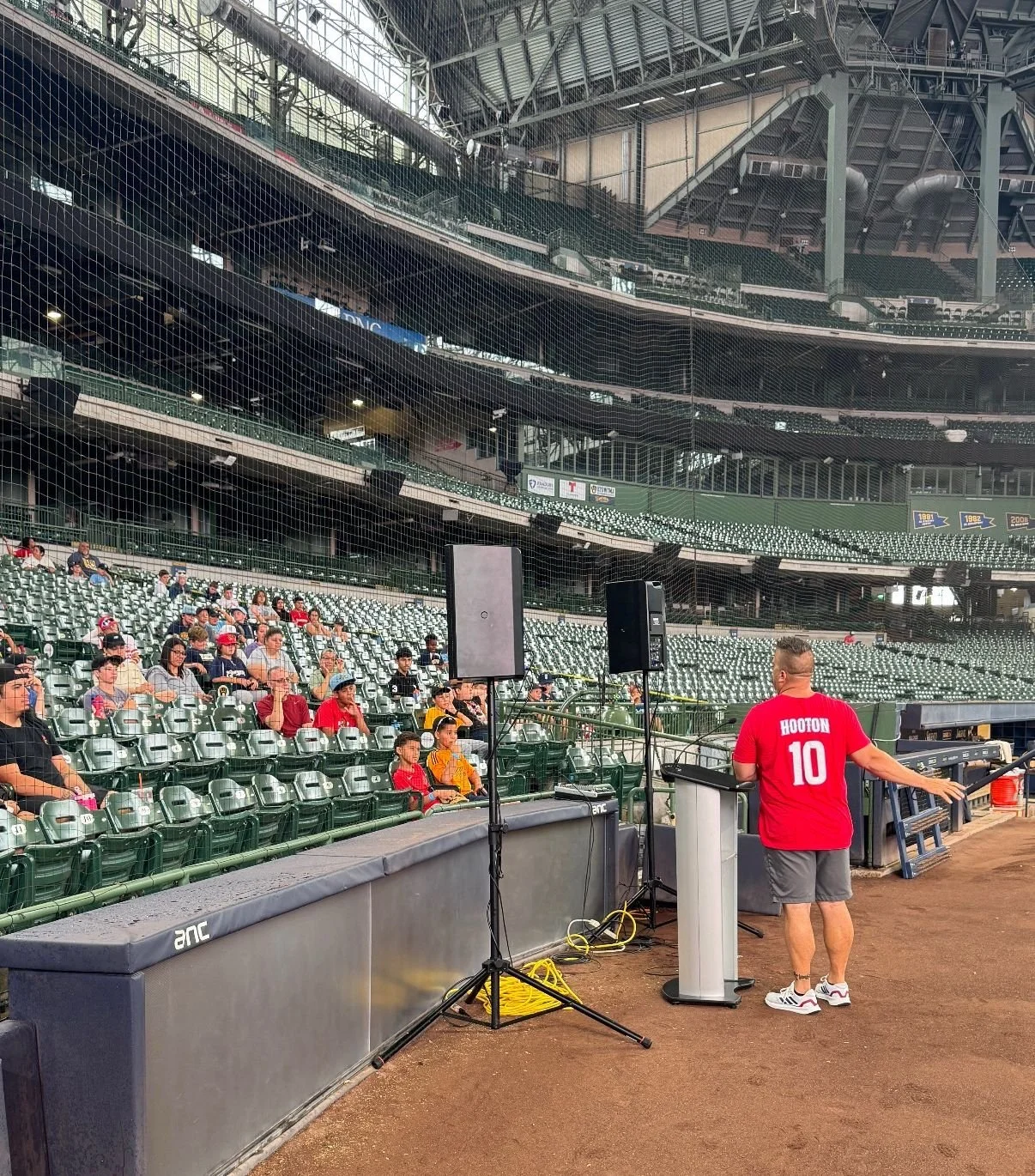

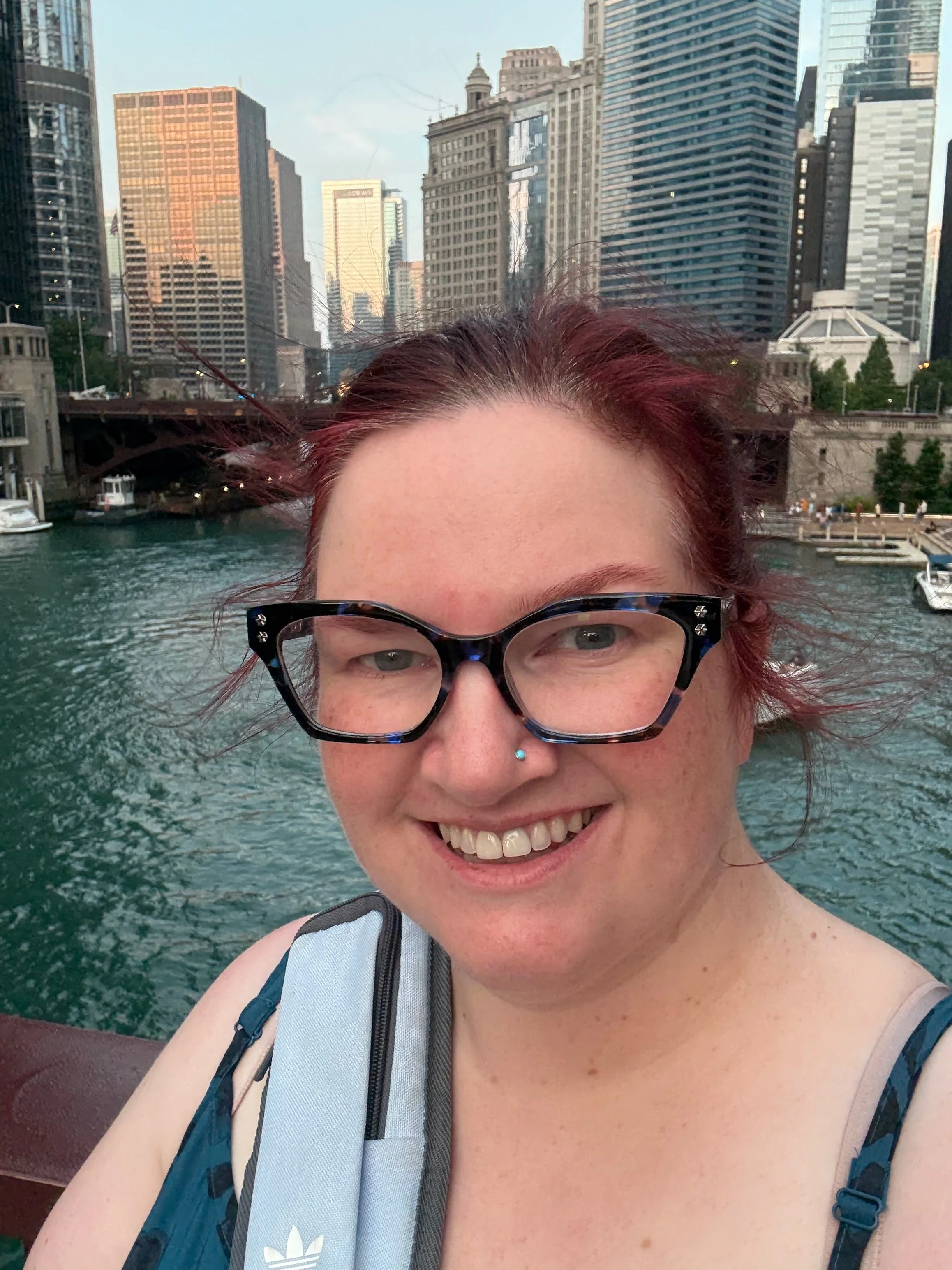
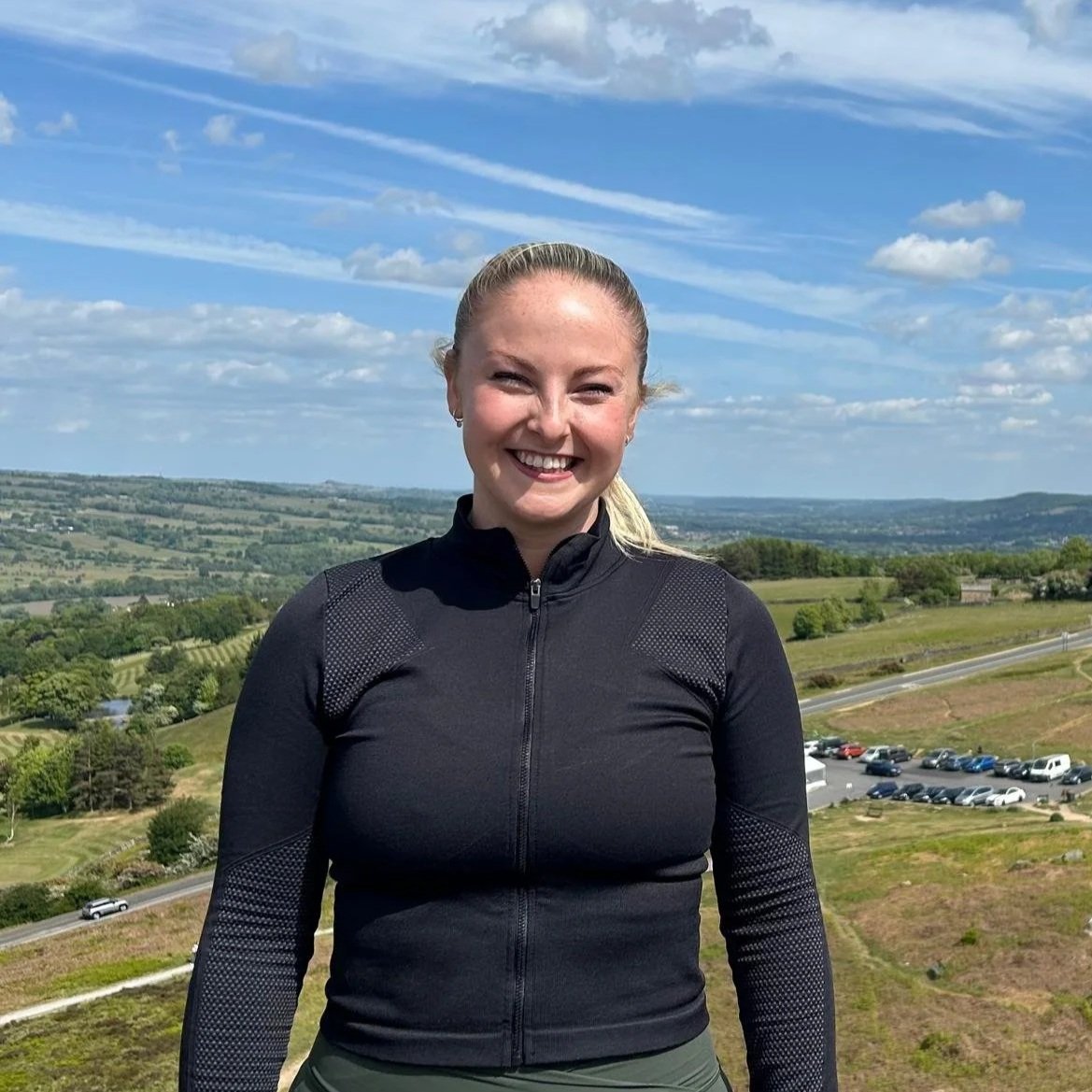

Regulatory expert Diana Morgan explains why an American flag on your label is a claim, which policy shifts are coming for supplements, and whether US-made creatine could return, plus what it means to seize the years.