
Seizing the Years with Jordan Glenn
"Don't let the internet make your choices for you. This is personal, this is your life, this is your health. Just put a little bit more active effort into understanding what you're putting in your body."
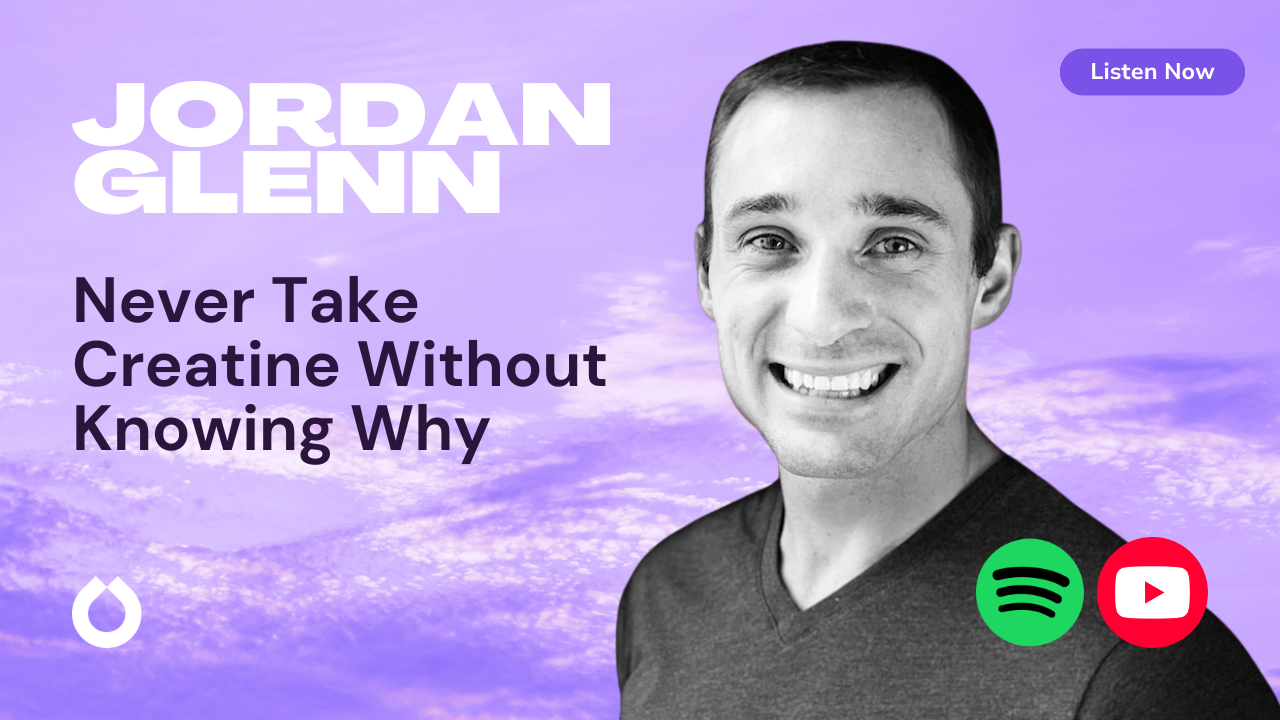
Jordan Glenn didn't set out to become one of the most recognisable voices in supplement science on LinkedIn. He set out to figure out why things work, and he's never really stopped.
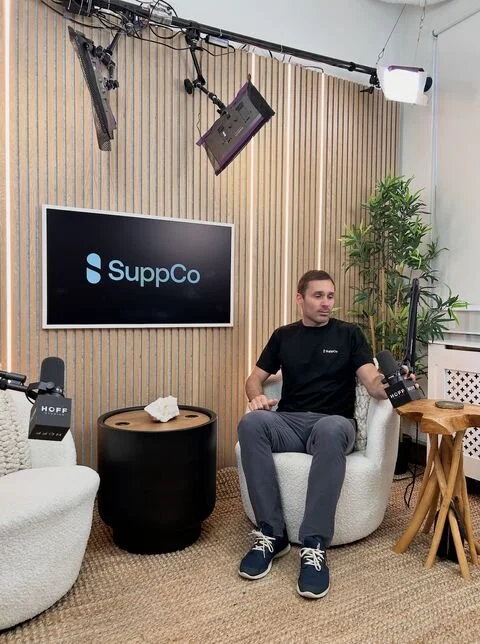
Jordan spent nearly a decade as a chief scientist in Alzheimer's research, after starting his career in a university lab studying creatine, citrulline malate, and beta-alanine before, in his words, they were cool. Today he's the Head of Science at SuppCo, the app helping people understand what they're taking, why they're taking it, and whether it's actually working, recently acquired by Function Health. We talked about brain fog, blood-brain barriers, and the one rule Jordan won't budge on, because for him, the rule and the whole conversation are the same story.
Every barrier in U.S. healthcare pushed him somewhere new.
Jordan built his career in health tech working across heart disease, diabetes, and eventually Alzheimer's, always circling the same question: what can people do before a prescription becomes the only option left? What he kept running into wasn't a lack of answers. It was cost, time, and access, barrier after barrier standing between people who needed help and the help itself. When the opportunity at SuppCo came up, it wasn't a departure. It was his supplement research finally catching up with the rest of his career, and a way to talk to users directly instead of through a hospital system that kept getting in its own way.
SuppCo exists so nobody has to guess.
The premise is simple and, according to Jordan, deliberately unprofitable in places. SuppCo is free to join, free to build a stack, free to access almost all of its nutrient education. There are no affiliate links and no cut of sales from the brands it scores. Instead, SuppCo built a transparent, public scoring system, drawing on more than thirty factors including manufacturing standards, third-party testing, and the actual science behind a product, and shows its work for every score it gives. It's a model built on refusal as much as it's built on data: Jordan regularly turns down invitations to sit on brand advisory boards, because the moment SuppCo looks like it's in anyone's pocket, the trust that got it to 850,000 users disappears. The platform's real success metric, he says, isn't how much people add to their stack. It's watching someone walk in with fifteen products and walk out with five.
Brain fog scares people more than the disease itself.
Jordan has spent years around the fear that comes with cognitive decline, and he's watched it eclipse fear of almost anything else, cancer included, because people have usually seen it up close in someone they love. When it comes to creatine and brain health, he's careful with his language: he'd rather call it hope than fear, and he wants people to feel that hope honestly. The data on creatine crossing the blood-brain barrier are real and seriously exciting, but they're also early, and less than five per cent of what's taken ends up where it needs to go. Jordan's own dose sits at five, sometimes ten grams, not the twenty-plus some marketing suggests. His read is blunt: the science is strong but young, and nobody should be told that a scoop of powder is a cure for something this serious.
His own stack is completely public, and it keeps changing.
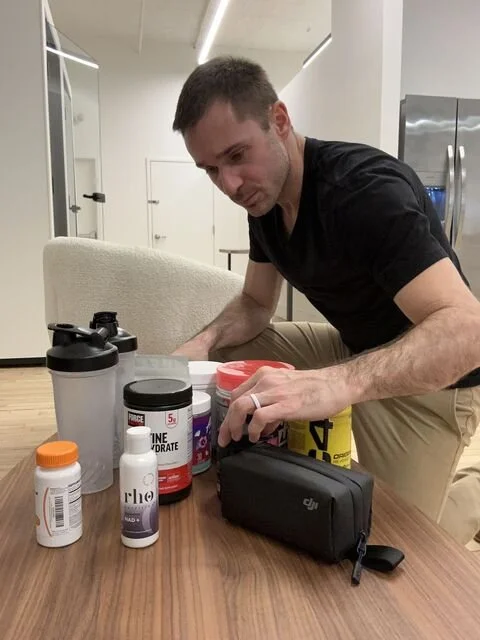
Ask Jordan what he's taking, and he'll point you to a public list he updates constantly, no gatekeeping, no polish. Right now that includes his long-standing D3K2, magnesium, berberine, and creatine, alongside a newer experiment with Urolithin A, which he's trying purely out of his own curiosity about the early longevity data. He's clear that the list isn't a recommendation and never has been. It's closer to a diary. If he stops taking something, it comes off the list. If a new one lands in a science corner post, it goes up with a note about why. For someone whose job is explaining supplements to strangers all day, the honesty is the point: showing that even the scientist behind the screen is still testing, still adjusting, still figuring it out in real time.
"Know your why" isn't a slogan for Jordan. It's the whole rulebook.
If Jordan has one non-negotiable, it's this: never take something without knowing why you're taking it. He takes magnesium glycinate right now because his toddler has wrecked his sleep. He cycles vitamin D depending on his blood work and a brutal Boston winter. Creatine stays constant because the reason behind it hasn't changed. He's not against experimenting; he's mid-experiment himself, but he draws a hard line between trying something with intention and grabbing whatever's trending on the internet that week. Most people who experiment "wrong," he says, aren't taking the wrong thing. They're just not tracking why they started or giving it long enough to know if it worked.
Your stack should move the way your life does.
What you need changes with the season of life, the blood panel, the sleep-deprived stretch with a new baby, the weeks your body is asking for more. Jordan doesn't think anyone should be locked into the same routine for decades just because it's familiar. The foundational pieces can stay steady. Everything else is allowed to flex, as long as the person taking it can still say, honestly, why it's in their hand.
Seizing the years, for Jordan, means still being able to kick a soccer ball.
He's an ex-collegiate athlete, an avid climber, and a fairly new dad to a two-year-old who isn't quite ready for the soccer ball yet, but will be. What keeps Jordan up at night isn't a fear of ageing. It's watching guys in his gym in their fifties, sixties, and seventies still climbing, still moving, and wanting that same runway for himself. Seizing the years, to him, is about staying capable enough, for long enough, to be fully present in his son's life the way his own dad was present in his.
If Jordan's conversation resonated with you, it's part of a growing collection of stories on Seizing the Years. You can find more episodes, including the rest of this season, right here.
We all rise together,
Rachael Jennings | Co-Founder + CBO, Jenerise
More episodes


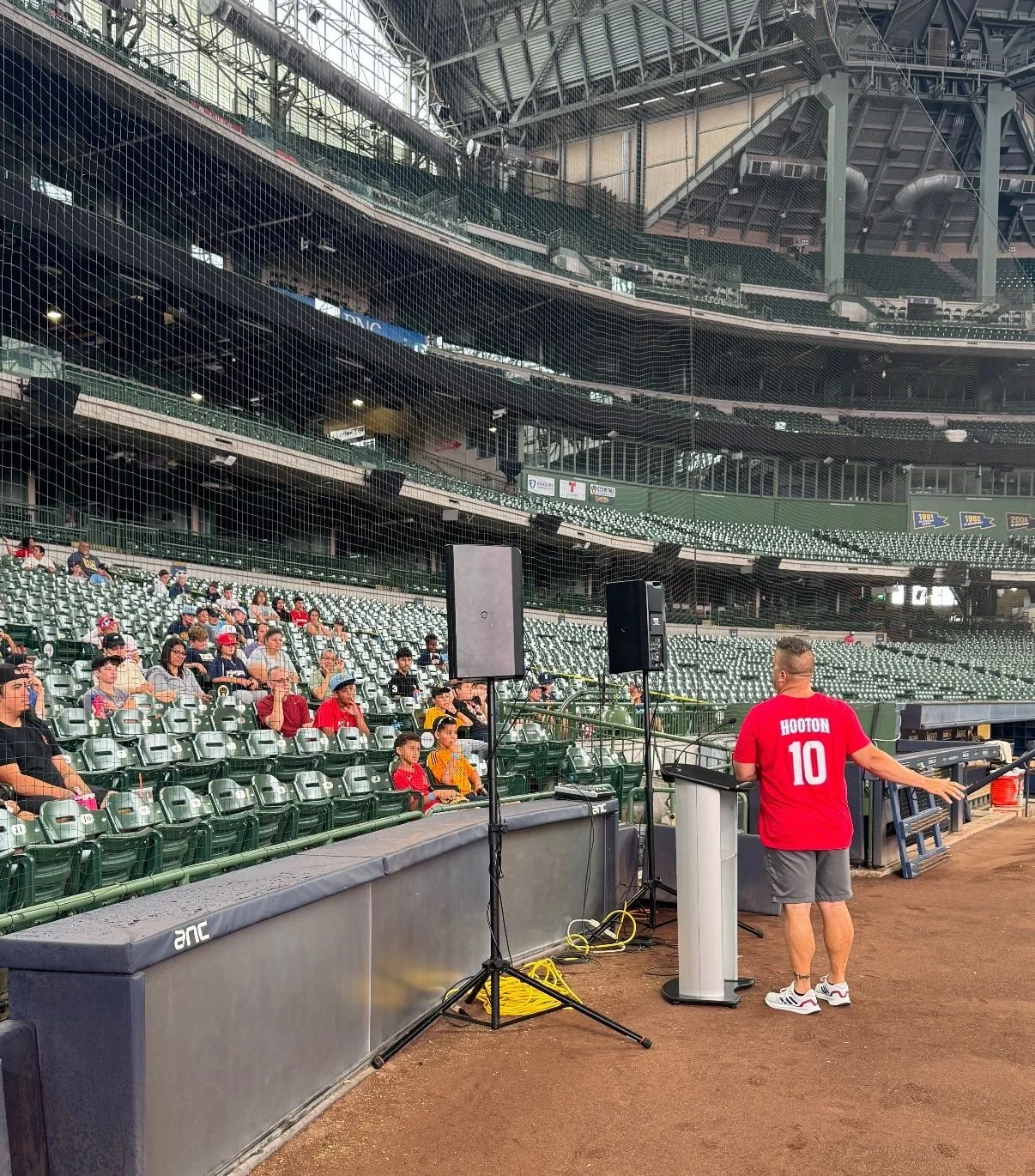

This month we have Sigge Birgisson on the show! A software developer, dad of two, and passionate diver, he opens up about his GLP-1 journey, losing over 40kg, and how supplementing with creatine and protein became the habits that stuck.