
Upcoming Event
Navigating the Menopause Continuum and Creatine Supplementation
Wednesday 23 September 2026, 9:00 AM BST, Online, Free to attend

Understanding creatine with Isabelle Statovci
Isabelle Statovci, APD and Clinical Exercise Scientist, writes monthly on the topics midlife women need to understand: creatine and perimenopause, why your muscle mass matters more than you think, and the clinical evidence behind women's long-term health.
Isabelle’s creatine articles




About Isabelle
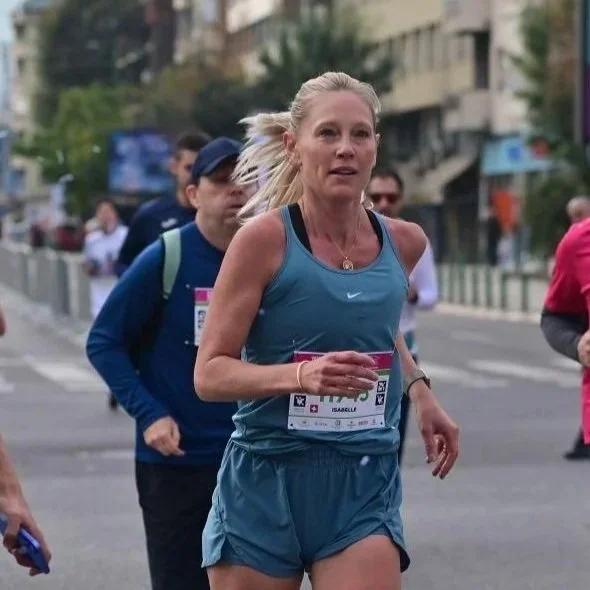
Isabelle Statovci is an Accredited Practising Dietitian and Clinical and Exercise Scientist with nearly two decades of experience spanning clinical nutrition, exercise physiology, and global pharmaceuticals. Born in Australia and now based in Switzerland, she brings a rare combination of rigorous academic training and real-world clinical perspective to everything she writes.
Her writing for Jenerise focuses on what the evidence actually shows… not what the marketing suggests. Isabelle writes for women navigating perimenopause, midlife, and the transitions that come with them: the loss of muscle, shifts in energy, changes in mood, and the biology driving all of it. She believes creatine is one of the most underestimated tools available to women at this life stage, and she's here to explain exactly why, backed by the clinical literature.
Isabelle started out studying Exercise and Sports Science in Sydney, which shaped the way she reads clinical trials to this day. While many people focus on molecular data, Isabelle asks: does this actually translate to a better quality of life for the person doing the intervention? That question runs through every piece she writes.
She's a mother of three, an advocate for functional strength over aesthetics, and someone who thinks a hike through the Swiss mountains with her family absolutely counts as training. She writes the way she works: warm, precise, and with zero tolerance for health trends that don't hold up to scrutiny.
Frequently asked questions
-
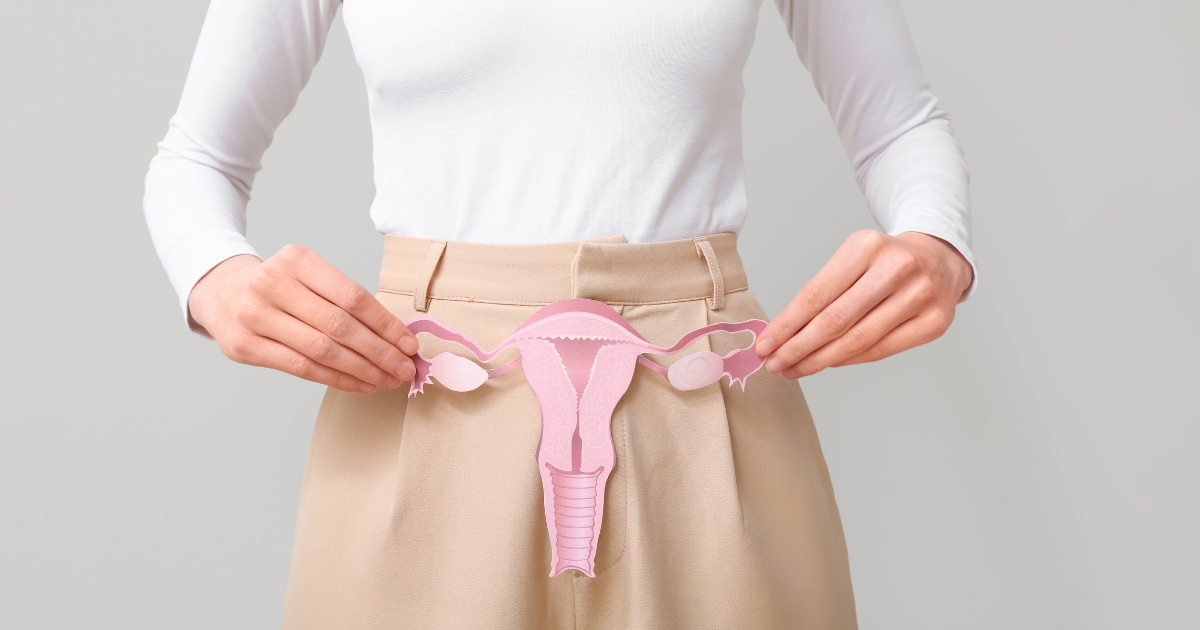
During perimenopause, oestrogen decline affects energy production, muscle retention, bone density, and cognitive function simultaneously. Creatine plays a role in the phosphocreatine system (the body's rapid energy backup), and emerging research suggests it may help buffer against some of these changes. Isabelle breaks down the current evidence honestly, including where the research is still catching up.
-
More than three decades of research sit behind creatine monohydrate, and it consistently outperforms newer, marketing-driven alternatives in head-to-head studies. Isabelle digs into why the supplement industry keeps trying to reinvent something that already works and what to look for when choosing a product.
-
Creatine's role in brain energy metabolism has attracted growing research interest, particularly around depression. Isabelle has reviewed the clinical trials and meta-analyses and shares what the evidence currently supports, what it doesn't, and what questions still need answering.
-
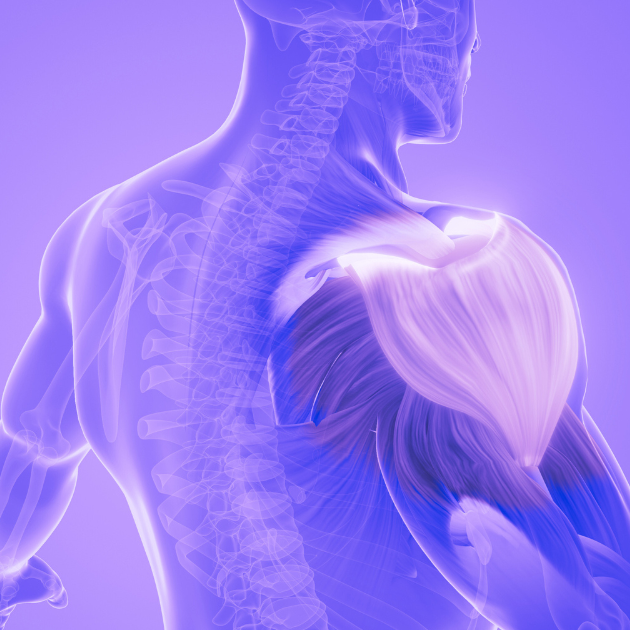
Muscle is not just about strength or appearance… it's a metabolic organ deeply linked to long-term health outcomes, independence, and mortality risk. Isabelle explains the functional benchmarks worth knowing and why building and maintaining muscle in your 40s and 50s is one of the highest-leverage things you can do for your future self.
-
Isabelle holds qualifications in both dietetics and exercise science and has spent nearly 20 years working across clinical nutrition and global pharmaceuticals. She writes from a place of evidence-first rigour (the same standard applied to therapeutic drugs) and is sceptical of anything that doesn't hold up to that bar.
The first clinical trial built specifically around menopause brain fog is in. Isabelle Statovci unpacks what CONCRET-MENOPA found on dose, timing, and brain creatine and why the results are promising but not yet the full answer.