
Creatine-Rich Eggs Are Real! ...Sort Of

By Dr Blaise Collins, PhD, ACSM-EP-C | Monthly Blog Contributor, Jenerise | Medical & Scientific Director | Neurology, Oncology, Hematology | Exercise Physiologist
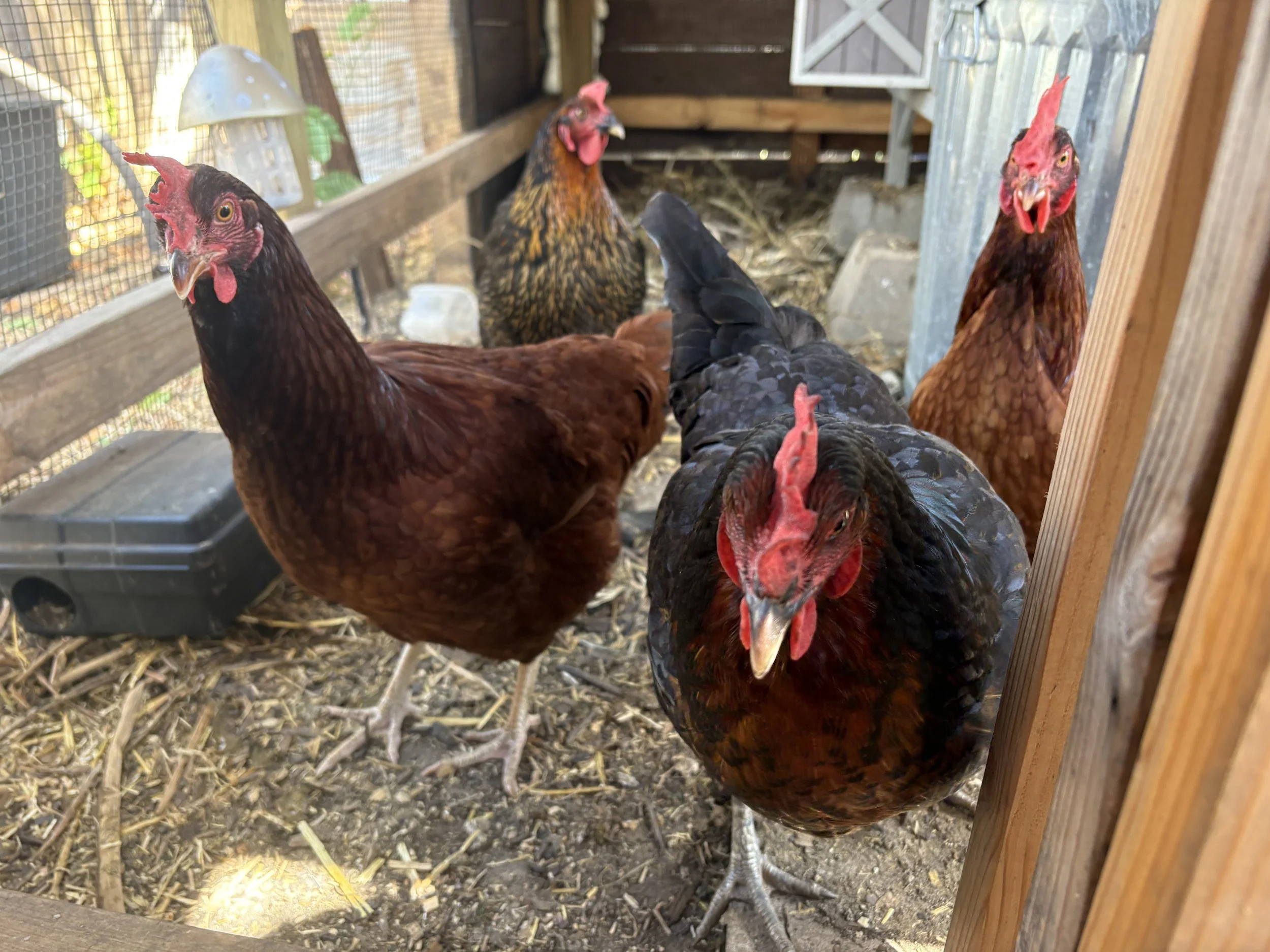
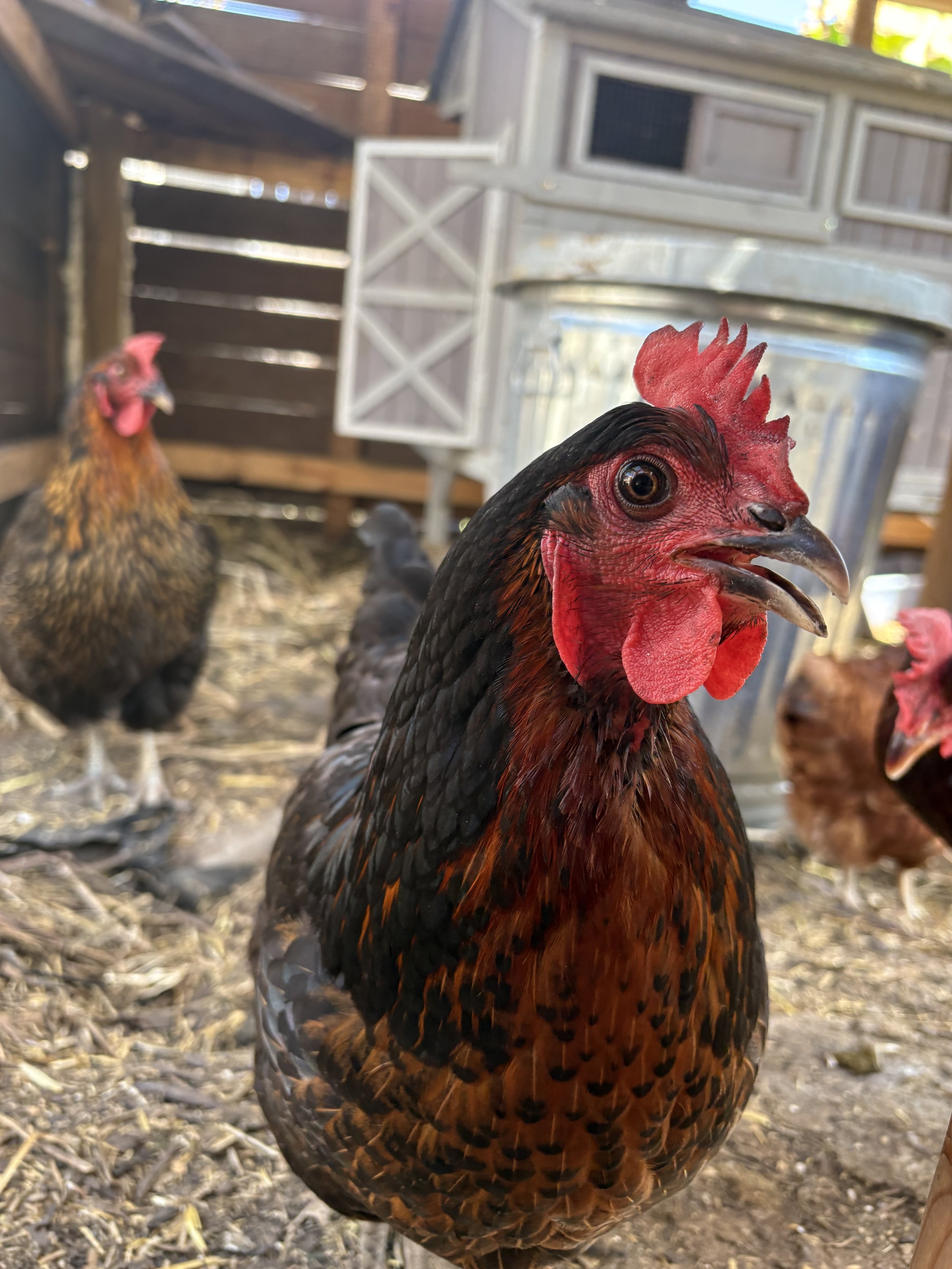
I once heard that feeding chickens creatine would result in eggs with higher creatine content. We have two Midnight Onyx hens (Bellachix and Tonks) and two Rhode Island Reds (Hermihenny and Henny), so naturally this led to an interesting question…
Can we increase the amount of creatine in food by changing the chicken’s diet?
I identified five studies to best address this question.
Reicher and colleagues (2020) investigated whether feeding broiler breeder hens guanidinoacetate (GAA), a precursor to creatine synthesis, could increase the amount of creatine deposited into their eggs. The chickens were supplemented with a 0.15% GAA supplement on top of their normal feed for 15 weeks, with analysis being conducted in their muscle tissues, their eggs, and their offspring. GAA supplementation significantly increased creatine content in both the yolk and albumen of the eggs. The investigators also found increased expression of the creatine transporter in the small intestine and oviduct of supplemented hens. The researchers reported an approximately 42% increase in total egg creatine (p<0.0001), with particularly pronounced changes in yolk creatine. This equated to roughly 0.092 mg of creatine in albumen (0.076 mg in control) and 0.254 mg in the yolk (0.167 mg in control).
The study demonstrated that maternal GAA supplementation can increase creatine deposition within their eggs and alter creatine-related biomarkers within their offspring.
What happens when creatine is delivered directly to the egg?
Rather than supplementing the mother, researchers have investigated delivery of creatine compounds directly into developing chicken eggs, a technique known as in ovo feeding.
In a 2017 study, Zhao and colleagues injected 12mg creatine pyruvate into eggs 17 days into the incubation period. Creatine pyruvate supplementation increased hatching weight and subsequently improved body weight in the developing broilers up to 21 days post-hatch; however, the between-groups differences were largely gone by 42 days post-hatch.
In addition to the in ovo supplementation on developing chickens, Zhao et al. also investigated what was happening within the developing embryo. They found that in ovo creatine pyruvate altered energy reserves and affected satellite-cell activity and expression of genes involved in muscle development. Notably, the myofiber diameter was higher in the creatine group, with significant changes in myogenic differentiation 1 (MyoD) and myogenin and paired box 7 (Pax7) mRNA expression, and elevated myostatin, which was roughly equal to non-creatine chicks by 3 days post-hatch.
Continuing along this vein of investigation, chicks receiving in ovo creatine had greater glucose concentration within their thigh muscles two days post-injection, along with elevated creatine kinase activity at hatch, and increased hexokinase and pyruvate kinase (key players in glycolysis) post-injection and at hatch.4
These studies don't demonstrate that a hen can naturally produce a "creatine egg" by eating creatine. Instead, they demonstrate that supplementation of creatine may provide increased energy for embryo development, but the changes gradually recede after hatching.
The developing chick can utilize additional creatine availability.
If maternal supplementation increases creatine availability within the egg, the embryo has access to a compound that is biologically relevant to its energy metabolism and development. One note, the studies reviewed have used a creatine precursor, or creatine pyruvate. What about the gold standard, creatine monohydrate?
In 2023, Firman and colleagues investigated creatine monohydrate in ovo supplementation of creatine monohydrate. They collected eggs from young breeder hens and injected them with either saline or 8.16 mg of creatine monohydrate during incubation. The researchers found that chicks receiving creatine monohydrate had significantly higher creatine concentrations in their liver and heart tissue at hatch, compared with control groups.⁴ However, creatine supplementation did not produce a dramatic improvement in subsequent growth. Body weight, weight gain, body composition, and breast muscle fiber characteristics were not significantly different between groups.
There was a numerically higher hatch rate in the creatine group, 93.5%, compared with 88.6% in the saline group and 88.8% in controls, but this difference was not statistically significant. Creatine clearly reached metabolically active tissues in the developing chick. But that does not necessarily mean that giving additional creatine will produce larger, stronger, or faster-growing chickens.
The most obvious next experiment is also the one the current literature does not yet adequately answer: What happens when laying hens are fed creatine monohydrate?
What does it all mean?
There is good evidence that maternal nutritional manipulation can increase creatine deposition into chicken eggs, but the strongest maternal-feeding study used guanidinoacetate, not creatine monohydrate. GAA can be converted into creatine through the creatine biosynthetic pathway, but it is a different compound with different pharmacokinetics and metabolic handling. Separate experiments demonstrate that creatine compounds delivered directly to developing eggs can alter creatine availability, energy metabolism, and aspects of embryonic and post-hatch physiology.
Taken together, the research suggests that the chicken embryo is capable of utilizing additional creatine and that the creatine content of the egg can be nutritionally manipulated. What we don't yet know is whether simply feeding laying hens creatine monohydrate can reliably produce commercially meaningful increases in egg creatine or whether eating those eggs would provide a meaningful creatine benefit to humans.
We all rise together,
More articles by Dr Blaise



Frequently asked questions
1. Can feeding chickens creatine make their eggs healthier?
Sort of. Studies show that when hens eat a creatine-building nutrient called GAA, their eggs end up with more creatine in them. But scientists have not yet tested if feeding hens creatine itself (not just the building block) works the same way.
2. What is GAA, and why does it matter for eggs?
GAA stands for guanidinoacetate. It's a natural building block that the body uses to make creatine. When hens ate GAA in their feed, their eggs had about 42% more creatine than normal.
3. Do baby chicks grow bigger if creatine is put directly in the egg?
For a little while, yes. Scientists injected creatine straight into eggs during incubation, and the chicks hatched a bit heavier and grew faster at first. But by the time the chicks were six weeks old, there were no differences between groups.
4. Is creatine monohydrate (the kind people take as a supplement) the same as what was used in these studies?
Not exactly. Most studies used a related creatine compound, like creatine pyruvate or GAA. Only one 2023 study tested creatine monohydrate directly in eggs, and it showed the creatine reached the chicks' organs but did not make the chicks bigger or stronger.
5. If eggs have more creatine, does that mean eating them helps humans?
We don't know yet. No study has tested whether eating creatine-boosted eggs actually gives people a real creatine benefit. That is the next big question researchers still need to answer.
Further Reading and References
Reicher N, et al. From broiler breeder hen feed to the egg and embryo: the molecular effects of guanidinoacetate supplementation on creatine transport and synthesis. Poult Sci, 2020.
Zhao MM, et al. In ovo feeding of creatine pyruvate increases hatching weight, growth performance, and muscle growth but has no effect on meat quality in broiler chickens. Livest Sci, 2017.
Zhao MM, et al. In ovo feeding of creatine pyruvate alters energy reserves, satellite cell mitotic activity and myogenic gene expression of breast muscle in embryos and neonatal broilers. Poult Sci, 2017.
Yang T, et al. In ovo feeding of creatine pyruvate alters energy metabolism in muscl of embryos and post-hatch broilers. Asian-Australas J Anim Sci, 2019.
Firman CB, et al. Effect of in ovo creatine monohydrate on hatchability, posthatch performance, breast muscle yield, and fiber size in chicks from young breeder flocks. Poult Sci, 2023.

Ever heard that feeding chickens creatine makes creatine-rich eggs? Dr Collins dug into 5 real studies (from hen feed to injecting eggs directly) to find out if it's true, what actually changes in the egg, and whether your backyard hens (or store eggs) could ever become a creatine supplement.